
My small dog completely controlled our home. He barked at the neighbor’s cat, pulled on the leash like he led a parade, and ignored my commands unless I offered treats. Naturally, I wanted a solution. That’s when I discovered the pet training collar for small dogs.
At first, I was cautious. I tested different devices, learned through trial and error, and focused on safety. Over time, I found methods that worked without stressing my little pup. In this guide, I’ll share my honest experience, including what succeeded, what failed, and how to use a pet training collar for small dogs safely and effectively.

Why a Pet Training Collar for Small Dogs Requires Special Consideration
I soon discovered that what suits a large shepherd might not be appropriate for a small terrier. Smaller breeds tend to be more stubborn and have thinner skin and delicate necks. For this reason, picking the ideal pet training collar for small dogs is crucial. For instance, a leather roll collar for dogs offers excellent protection for sensitive skin and fur while adding both comfort and style to your small dog’s everyday wear.
Consider this: it just doesn’t make sense to use the same exercise regimen for a child and a bodybuilder, does it? In a similar vein, a small dog may find the incorrect training collar uncomfortable or even dangerous. Safety always comes first for me. I immediately remove a tool from my list if it makes me feel uncomfortable or afraid.
The Various Pet Training Collar Choices I’ve Experimented With for Tiny Dogs
I’ve experimented with a variety of devices over the years. Some have simply ended up gathering dust in the back of a drawer, while others have made my life easier. This is how they compare:
Devices for vibration
Similar to a light tap on the shoulder, these provide a slight buzz. My dog usually stops whatever mischief he’s up to and looks at me whenever I use one. They are excellent at stopping barking and disobeying orders indoors.
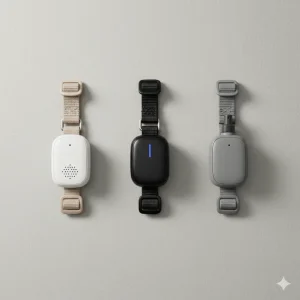
Beep Devices: Beep devices make a brief sound, similar to a courteous “ahem.” Surprisingly, it worked like a charm when I combined it with positive reinforcement.
Spray devices: These emit unscented air or citronella. Although they are harmless, they can startle. Yes, they work well, but I don’t like how disorganized they are. I once unintentionally sprayed myself, and for the remainder of the day, let’s just say I smelled “fresh.”
Static Devices: The most contentious are static devices. They offer a slight correction. I’ve always kept it on the lowest setting and used one made especially for small dogs. Although it was useful in some circumstances, I would rather not use it as my primary tool.
How I Decide Which One to Use
When I’m out shopping, I have a mental checklist I run through: Fit and Size: It shouldn’t feel like I’m putting my dog in armor. I make sure I can fit two fingers between the strap and his neck—just like when choosing a custom leather collar for dogs, which guarantees a gentle, well-balanced fit for small breeds. Comfort: Padding is key. If it looks scratchy, I’m not buying it. Features: Having multiple settings is a plus. Sometimes I just need a beep, not a buzz. Battery Life: I don’t want something that dies quicker than my TV remote.
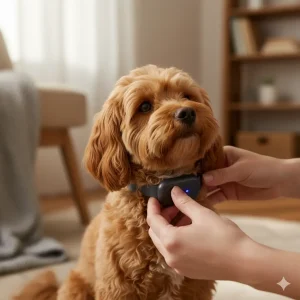
If pulling on walks is your main concern, I’d also suggest checking out my guide on the best collars for dogs that pull. That’s a whole different issue with its own set of solutions.
How I Safely Use Training Gadgets with My Dog
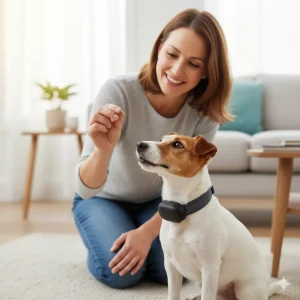
Over time, I’ve learned from my fair share of mistakes, and I’ve developed a system that works well for both me and my dog. I start by introducing the gadget slowly. I let my dog sniff it and even wear it without turning it on, giving him time to get familiar. There’s no need to rush this step. Next, I pair the device with commands—using a beep for “sit” and a buzz for “stay.” Consistency in pairing commands with the signals is key. Rewarding the correct response immediately is also crucial; a treat or a quick belly rub right after reinforces the behavior. I keep training sessions short—around ten minutes feels just right for both of us.
Lessons Learned and Tips from My Training Journey
When I first started, I made plenty of mistakes. I overused the device at first, which only caused my dog to tune it out. Sometimes I forgot to use positive reinforcement, like treats, which was a major error—the gadget alone doesn’t work. I also expected instant results and thought it would work like magic. Spoiler alert: it didn’t. Patience and consistent training proved to be essential, and learning from these missteps has made me a better trainer overall.
Myths Regarding Safety: There are a lot of misconceptions regarding the security of these devices. They don’t harm small dogs, despite what some people say. The vibration and sound options are totally safe if you pick the correct device and use the lowest settings. Another misunderstanding is that training can be replaced by these tools, which is completely untrue. They are merely tools, and training consistency remains crucial. Lastly, not every gadget is created equal. Some don’t work well for smaller breeds because they are large or poorly made.
Situations in Real Life Where I Apply Them: When used properly, I’ve found the devices to be really helpful in real-world scenarios. A brief beep when the doorbell rings usually gets my dog’s attention when they are barking indoors. When he lunges at pigeons during outdoor walks, the vibration feature saves the day and makes an otherwise chaotic situation more manageable. The sound reminder is very effective when he disregards recall instructions. Although the tool’s versatility is demonstrated by these examples, it’s crucial to keep in mind that it’s only one component of a more comprehensive, ongoing training program.

Upkeep and attention
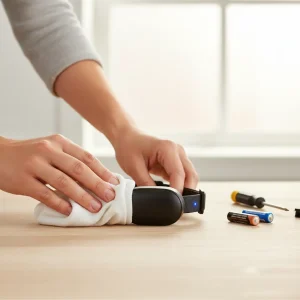
I once walked in the rain and forgot to clean the device. I’ve learned my lesson! Regular cleaning guarantees your dog’s comfort, durability, and safety, much like caring for a leather roll collar. Just like maintaining a comfortable leather roll dog collar, keeping your training tools clean helps ensure long-term comfort and reliability.
Any training device must be properly maintained to remain reliable and safe. Every week, I clean the device with a moist cloth to get rid of any dirt or grime. In addition, I regularly check the strap to make sure it isn’t fraying and check the battery every few days to make sure it is fully functional. Never leaving the device on all the time is another crucial rule I abide by because my dog deserves some downtime as well.
Other effective options
I occasionally put the device away and look into equally effective alternative training methods. For instance, clicker training is a straightforward yet effective technique. Treats combined with a tiny plastic clicker have always produced excellent results. Another option is a harness, which is particularly helpful for walks because it offers better control and evenly distributes pressure across the chest. Consulting with professional trainers has also been beneficial to me; even a few sessions provided methods and insights I hadn’t thought of on my own. Depending on what works best for your dog, these substitutes can either supplement or even replace gadgets.
FAQs
Which choice is the safest for small breeds?
A: Vibration or beep collars are safe, gentle, and efficient.
At what age can I begin?
A: Start at six months; for younger pups, use treats.
Do static corrections have negative effects?
A: I hardly ever use them, but they’re safe if applied sparingly to small dogs.
How long ought it to remain on every day?
A: Never leave it on overnight; only use it for a few hours each day.
Can I just use traditional training methods and ignore these?
A: Indeed! If your dog responds, traditional methods are excellent.
Concluding remarks
Small dog collars are useful tools, not shortcuts, in my opinion. When properly applied, they enhance communication, maintain my dog’s and my own calmness, and foster a more tranquil atmosphere at home and in the community.
In the end, the most important thing is the relationship I have with my dog. These collars can strengthen that bond, but they will never be able to take its place. Take your time, make a thoughtful decision, and always mix it with humor, treats, and patience if you’re thinking about getting one. Investing in a perfect-fit custom dog collar can also improve control and comfort during training, especially for small dogs with delicate necks.