
Maintaining a healthy heart is one of the most important things you can do for your overall well-being. While a balanced diet and regular exercise are essential, the right supplements can provide an extra boost to support cardiovascular health. In this guide, we’ll explore the top supplements for heart health, how they work, and tips for incorporating them into your daily routine.
Why Heart Health Matters
Your heart is the engine that keeps your body running. It pumps blood, delivers oxygen, and removes waste from every part of your body. Poor heart health can lead to conditions like high blood pressure, heart disease, or stroke.
Even if you feel fine now, proactive care is key. Supplements for heart health can help maintain normal cholesterol levels, improve circulation, and support overall cardiovascular function.
Top Supplements for Heart Health
1. Omega-3 Fatty Acids
Omega-3 fatty acids, commonly found in fish oil, are one of the most studied supplements for heart health. They help:
-
Reduce inflammation in the arteries
-
Lower triglyceride levels
-
Support normal blood pressure
How to Use:
Take a daily dose of 1,000 mg of omega-3, preferably after a meal for better absorption.
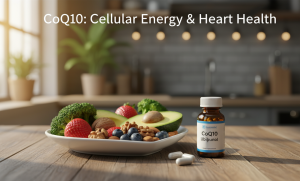
2. Coenzyme Q10 (CoQ10)
CoQ10 is a naturally occurring antioxidant that plays a vital role in energy production in heart cells. Benefits include:
-
Supporting healthy blood pressure
-
Reducing oxidative stress
-
Enhancing energy levels for better heart function
How to Use:
Recommended daily dosage is 100–200 mg, depending on your needs.

3. Magnesium
Magnesium is essential for proper muscle function, including the heart muscle. It can:
-
Maintain normal heart rhythm
-
Support blood pressure regulation
-
Improve overall cardiovascular function
How to Use:
Magnesium supplements come in various forms like citrate or glycinate. A typical daily dose is 200–400 mg.

4. Vitamin D
Vitamin D is well-known for bone health, but it also plays a critical role in cardiovascular health. Benefits include:
-
Reducing the risk of heart disease
-
Supporting healthy blood vessels
-
Enhancing immune function
How to Use:
A daily supplement of 1,000–2,000 IU is generally recommended, especially for those with low sunlight exposure.
5. Garlic Supplements
Garlic has been used for centuries as a natural heart tonic. Modern supplements can:
-
Lower blood pressure
-
Reduce cholesterol levels
-
Improve circulation
How to Use:
500–1,000 mg daily is a typical dose. Look for odorless options if preferred.
6. Plant Sterols
Plant sterols are compounds found in fruits, vegetables, and nuts that help maintain healthy cholesterol levels. Benefits include:
-
Reducing LDL (bad) cholesterol
-
Supporting overall heart health
-
Complementing a heart-healthy diet
How to Use:
Aim for 2 grams per day, often found in fortified foods or supplements.
7. B-Vitamins
B-vitamins, especially B6, B12, and folic acid, play a role in reducing homocysteine levels in the blood, which is linked to heart disease risk.
Benefits:
-
Supporting normal blood pressure
-
Promoting cardiovascular health
-
Boosting energy metabolism
How to Use:
A daily B-complex vitamin is usually sufficient.
Lifestyle Tips to Enhance Heart Health
While supplements are helpful, they work best alongside a heart-healthy lifestyle:
-
Balanced Diet: Focus on fruits, vegetables, whole grains, lean proteins, and healthy fats.
-
Regular Exercise: Aim for at least 150 minutes of moderate aerobic activity per week.
-
Stress Management: Meditation, yoga, or deep breathing exercises can help reduce stress.
-
Adequate Sleep: Aim for 7–8 hours per night to support heart function.
-
Avoid Smoking & Limit Alcohol: Both can damage blood vessels and increase heart disease risk.

How to Choose the Right Heart Supplements
When selecting supplements, consider these tips:
-
Quality: Choose products from reputable brands with third-party testing.
-
Dosage: Stick to recommended dosages unless advised by a doctor.
-
Interactions: Consult your physician if you’re taking other medications.
-
Combination: Some supplements work synergistically, like omega-3s with CoQ10.
Frequently Asked Questions
Q1: Can supplements replace a healthy diet?
No, supplements are meant to complement a balanced diet, not replace it. A heart-healthy diet is always the foundation.
Q2: Are there any side effects?
Most heart supplements are safe when used correctly, but high doses of certain nutrients like magnesium or garlic may cause digestive issues.
Q3: How long does it take to see benefits?
It varies by supplement. Some, like omega-3, may take a few weeks, while lifestyle changes may show benefits within months.
Conclusion
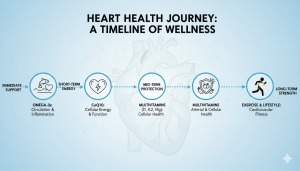
Maintaining a healthy heart requires a combination of smart lifestyle choices and, when appropriate, the right supplements. Omega-3 fatty acids, CoQ10, magnesium, vitamin D, garlic, plant sterols, and B-vitamins are some of the top options to support your cardiovascular health. By combining daily supplements with a balanced diet, regular exercise, and stress management, you can strengthen your heart and improve your overall well-being.