
How Smart Home Technology Will Change Lives by turning ordinary homes into efficient, secure, and convenient spaces for modern living.
Picture this: your alarm goes off, your blinds open automatically, your coffee machine starts brewing, and the thermostat warms the room before you even step out of bed. That is not a scene from a futuristic movie. It is happening right now in homes around the world
Smart home technology isn’t just about shiny gadgets. It’s about creating homes that respond, adapt, and support the way we live. Whether it’s managing energy bills, making daily routines effortless, or adding layers of security, this technology is reshaping lifestyles.
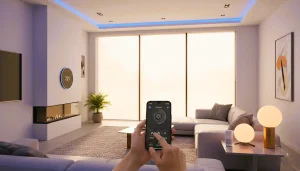
In this article, I will explore how smart home technology is changing lives. It is transforming the way we live now and shaping the future ahead. From convenience and safety to sustainability and accessibility, we’ll look at the benefits, challenges, and what’s still to come.
Everyday Convenience: Life on Autopilot
One of the most obvious perks of smart home tech is convenience. I can’t tell you how many times I’ve walked into the kitchen at night and wished the lights would turn on for me. Now they do.
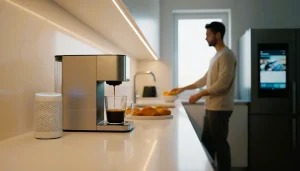
How Smart Home Technology Will Change Lives, Assistants, and Routine
Devices like Alexa, Google Assistant, and Siri have become more than just voice-controlled trivia machines. They set reminders, create shopping lists, and manage smart devices in every corner of the home. Imagine saying, “Good night,” and your assistant locks the doors, dims the lights, and sets the alarm system.
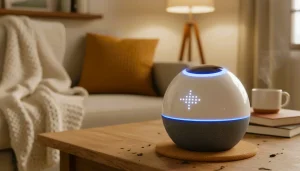
Connected Appliances That Think Ahead
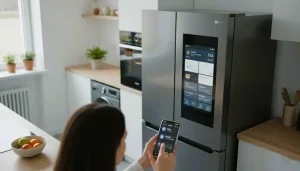
Refrigerators can track food expiration dates. Ovens can preheat from your phone. Washing machines run when energy costs are low. It is all happening now. The convenience goes beyond comfort; it’s about reducing mental load. Spending less time on chores means more time for family, work, or hobbies.
Transportation Integration

Here’s a newer twist: smart homes are linking up with smart cars. Your car can signal your house that you’re five minutes away, and the system starts the AC, turns on the porch lights, and unlocks the garage door. That’s a level of convenience I didn’t know I needed until I experienced it.
Security and Peace of Mind

If convenience is the “wow” factor, security is the “must-have” factor of smart home devices.
How Smart Home Technology Will Change Lives: Smarter Surveillance
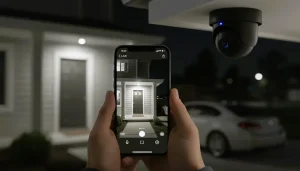
Modern smart cameras send live video feeds directly to your phone. They detect motion, recognize faces, and even differentiate between a package delivery and a stranger lurking around.
How Smart Home Technology Will Connect Locks and Sensors to Change Lives
Gone are the days of wondering if you locked the door. Smart locks let you check and secure entry points remotely. Doorbell cameras show who is at the door. You can also talk to visitors even when you are not home.
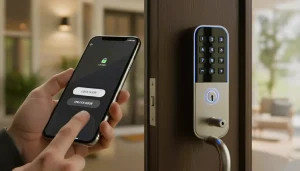
How smart home technology will provide security inside the home
It’s not just about keeping intruders out. Smoke and carbon monoxide detectors now connect to your phone. If there’s danger, you’ll know immediately, no matter where you are. Some systems even alert local authorities automatically.
Related: For a deeper dive into potential risks, I’ve also written about whether smart devices are secure.
Energy Efficiency and Sustainability
Let’s be real—most of us like lower utility bills. But beyond saving money, smart home tech helps build a more sustainable lifestyle.
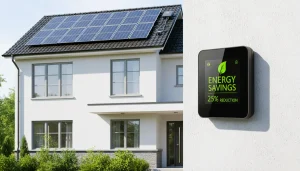
Smarter Heating and Cooling
Heating and cooling account for the largest share of household energy use. Smart thermostats like Nest or Ecobee learn your schedule and adjust automatically. You no longer waste energy heating an empty house.
Lighting and Smart Plugs
Motion-sensitive lighting ensures no more rooms are left lit all night. Smart plugs can cut power to devices that consume electricity in standby mode, also known as “vampire energy.”
Renewable Energy Integration
More advanced setups tie directly into renewable energy sources. Smart systems can store excess solar power during the day and use it at night. That not only lowers your bills but also reduces strain on local power grids.
Health and Wellness Support
Health is one area where smart technology has life-changing potential.
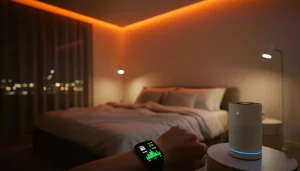
Better Sleep and Air Quality
Smart mattresses track sleep patterns and adjust firmness for comfort. Air quality monitors detect allergens and trigger purifiers automatically. These small adjustments create a healthier environment without constant effort.
Chronic Illness Support
For people managing diabetes, heart conditions, or mobility challenges, connected health devices are game-changers. Smart pill dispensers remind patients when to take medication, and wearable sensors share vital data with healthcare providers in real time.
Mental Wellness
Homes are also becoming sanctuaries for mental health. Circadian lighting systems mimic natural daylight, helping regulate sleep cycles. Smart speakers offer guided meditations or calming playlists at the end of a stressful day. Even automated cleaning (hello, robot vacuums) reduces the stress of daily chores.
Accessibility and Aging in Place
One of the most meaningful uses of smart home tech is helping people stay independent longer.
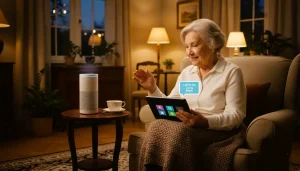
Voice Control for Accessibility
For people with limited mobility, voice control means no more struggling with switches or remotes. Simple commands can control lights, doors, and entertainment.
Remote Monitoring for Caregivers
Families caring for older people’s loved ones can use smart sensors to track movement patterns and get alerts if something unusual happens, like a fall. This balance of independence and safety brings peace of mind to everyone involved.
Smart Kitchens and Safety Features
From stoves that shut off automatically to refrigerators with large, easy-to-read displays, these innovations reduce risks and empower older people to continue living comfortably at home.
Entertainment and Lifestyle Upgrades
Okay, let’s shift gears and talk about fun.

Next-Level Movie Nights
Smart TVs, streaming sticks, and sound systems create personalized entertainment hubs. Lights can sync with on-screen action, turning your living room into a mini theater.
Music Everywhere
Multi-room audio systems let you carry your playlist seamlessly from the kitchen to the living room to the patio. The days of fiddling with tangled wires are over.
Immersive Experiences
VR and AR devices are becoming part of smart homes, offering interactive gaming and even virtual fitness classes. Pair these with smart lighting and sound, and you’ve got a truly immersive experience.
Social Shifts and Community Connections
Smart home technology changes more than just individual lives. It also reshapes families and communities.
Family Coordination
Shared calendars, reminders, and smart hubs help families stay organized. Kids can ask smart assistants for homework help, while parents manage chores through automated schedules.
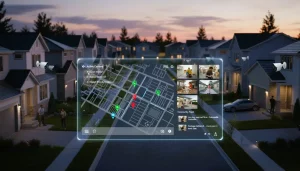
Neighborhood Watch 2.0
Some neighborhoods use networked cameras and apps to share security alerts. While this enhances safety, it also raises privacy concerns. The conversation about how much we should share digitally is just beginning.
Bridging or Widening the Digital Divide?
While these tools are powerful, not everyone has equal access. High costs and internet requirements can widen the digital divide, leaving some communities behind. Policymakers and companies will need to address this if smart homes are to become mainstream.
The Future of Living with Smart Home Technology: Smarter, Faster, and More Adaptive
So what’s next?
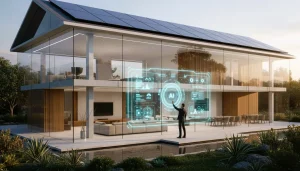
AI-Powered Homes
AI will continue to learn more about our habits, predicting needs before we even voice them. Imagine a home that senses stress levels from your voice and adjusts lighting, music, and temperature to calm you down.
5G and Faster Connectivity
The rollout of 5G will make device connections smoother and more reliable, enabling more complex, real-time integrations.
Smart Materials and Architecture
Homes of the future may have walls that change opacity, roofs that adjust to sunlight, or furniture that adapts to posture and health. The line between technology and architecture will blur.
Challenges Ahead
Of course, no technology comes without hurdles.
- Privacy and Security: Hacking risks remain. Companies and users must prioritize cybersecurity.
- Cost and Accessibility: High upfront costs limit adoption for many households.
- Compatibility Issues: Not all devices “speak the same language.” Standards like Matter are working to address this issue, but progress is ongoing.
These challenges don’t negate the benefits—they remind us to adopt smart tech thoughtfully.
Frequently Asked Questions (FAQ)
- How does smart home technology make life easier?
It automates daily tasks such as lighting, heating, security, and appliance control, saving time and reducing effort.
- Can smart home devices save energy?
Yes. Devices like smart thermostats, plugs, and lighting systems optimize energy use, cutting bills and reducing waste.
- Are smart homes safe from hackers?
With proper security—strong passwords, regular updates, and encrypted networks—smart homes are generally safe; however, risks remain.
- How can smart technology help older people?
Voice control, fall detection, and remote monitoring help older adults live independently and safely at home.
- What is the future of smart homes?
Homes will become more adaptive, sustainable, and AI-powered, with seamless 5G connectivity and smarter materials.
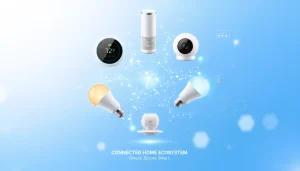
Smart home technology is more than a collection of devices. It’s a transformation in how we live, work, and connect.
It offers:
- Convenience: Automating chores and routines.
- Security: Protecting homes and families.
- Efficiency: Reducing energy and costs.
- Health benefits: Supporting both physical and mental well-being.
- Accessibility: Empowering people of all ages and abilities.
- Lifestyle upgrades: Making life more enjoyable.
The home of the future will be smart and intuitive. It will be sustainable and focused on people. One day, it might even take out the trash. Until then, I’ll settle for the lights that switch off on their own.