

- Why Material Matters in Choosing a Yoga Mat
- Discuss the impact of material on performance (e.g., grip, comfort).
- Overview of the environmental impact and sustainability.
- Keyword Focus: yoga mat material performance, eco-friendly yoga mats.
- Common Yoga Mat Materials
- PVC (Polyvinyl Chloride)
- Pros: Durability, affordability, excellent grip.
- Cons: Environmental impact, non-biodegradable.
- Ideal for: Beginners, people on a budget.
- Keyword Focus: PVC yoga mats, best affordable yoga mats.
- TPE (Thermoplastic Elastomer)
- Ideal for: Environmentally conscious users.
- Ideal for: Environmentally conscious users.
Cons: Less durable than PVC, limited color options.Keyword Focus: TPE yoga mats, eco-friendly yoga mar -
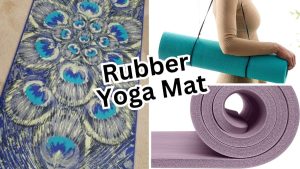
RUBBER
-
- Pros: Durable, provides excellent grip, natural material.
- Cons: Heavier, may have a strong odor.
- Ideal for: Advanced yoga practitioners, environmentally aware users.
- Keyword Focus: rubber yoga mats, natural rubber yoga mats.
- Cork
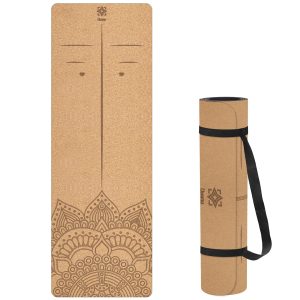
- Pros: Eco-friendly, durable, and antimicrobial properties.
- Cons: May feel harder under pressure, and expensive.
- Ideal for: Eco-conscious practitioners who prefer a firm surface
- Keyword Focus: cork yoga mats, sustainable yoga mats.
- Jute
- Pros: Biodegradable, naturally textured surface.
- Cons: May wear down quicker, can be rough for some users.
- Ideal for: Practitioners looking for an all-natural yoga mat.
- Keyword Focus: jute yoga mats, natural yoga mats.
- Cotton
- Pros: Soft and comfortable, breathable, lightweight.
- Cons: Less grip, not suitable for sweaty practices.
- Ideal for: Gentle yoga styles like restorative or prenatal yoga.
- Keyword Focus: cotton yoga mats, soft yoga mats.
-
- PVC (Polyvinyl Chloride)
-
Eco-Friendly Yoga Mat Materials: A Greener Choice
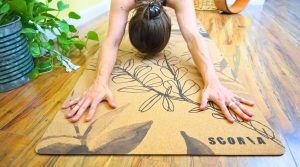
- Discuss the growing demand for sustainable and eco-friendly materials.
- Benefits of using non-toxic, biodegradable mats for both the user and the environment.
- Keyword Focus: eco-friendly yoga mats, sustainable yoga mats, green yoga mats.
- How to Choose the Right Yoga Mat Material for Your Practice
- Factors to consider: personal comfort, yoga style, environmental impact, and budget.
- Tips for matching material to your needs.
- Keyword Focus: how to choose yoga mat material, best yoga mats for different styles.
- Yoga Mat Maintenance Tips Based on Material
- How to clean and care for each type of material.
- Best practices for extending the life of your yoga mat.
- Keyword Focus: yoga mat cleaning, yoga mat care, durable yoga mats.
SEO Tips Incorporated:
- Keyword Distribution: Relevant keywords are naturally distributed throughout the outline, ensuring the content will rank well for specific searches.
- Subheadings: Clear subheadings (H2, H3 tags) make the content skimmable and SEO-friendly.
- Internal Linking Opportunities: Suggestions for linking to related articles on yoga practices, eco-friendly practices, or product recommendations.
- Readability: The content is organized into digestible sections, promoting higher engagement and retention.
This outline will help create well-rounded, informative content that answers user queries while being optimized for search engines.
Extended thinking
Cleaning Your Yoga Mat Regularly
Keeping your yoga mat clean is one of the most important aspects of maintenance. Without proper cleaning, mats can harbor bacteria, mold, and unpleasant odors. Here’s how I clean my mat to ensure it’s fresh and hygienic:
- Wipe Down After Each Use: After every session, I wipe my mat down with a damp cloth to remove excess sweat and dirt. You can use a mild soap solution or a gentle yoga mat cleaner, which is available from many yoga equipment stores. Wiping it down prevents buildup and reduces the frequency of deep cleaning.
- Deep Cleaning: Depending on how frequently I use my mat, I clean it thoroughly every few weeks. To do this, I fill a tub or large basin with warm water and a small amount of gentle dish soap or yoga mat cleaner. I let the mat soak for a few minutes before gently scrubbing with a soft brush or cloth. Afterward, I rinse it with cool water and hang it up to dry.
- Drying: It’s essential to dry your mat properly after cleaning. I always avoid putting my mat in the dryer, as the heat can damage the material. Instead, I lay it flat on a clean, dry towel, or hang it up in a well-ventilated area to air dry. Direct sunlight can fade the colors and weaken some materials, so I recommend drying it in the shade.
2. Preventing Odors and Bacteria
Sweat and moisture can quickly lead to odors and bacteria growth on your yoga mat, especially in warmer climates or after hot yoga classes. To prevent this, I follow these tips:
- Use a Towel: To reduce sweat buildup directly on your mat, I often place a small yoga towel over it, especially during hot yoga. This towel absorbs moisture and is easy to throw in the laundry after class.
- Essential Oils: Occasionally, I add a few drops of essential oils like lavender or tea tree oil to my mat cleaning solution. These oils have antibacterial properties and leave a pleasant scent. However, I always make sure to dilute the oils properly to avoid damaging the mat’s surface.
- Use a Mat Spray: There are specialized yoga mat sprays that are both antibacterial and deodorizing. I like to spray my mat lightly after each practice to prevent odors from settling in and keep things smelling fresh.
3. Proper Storage to Avoid Damage
How and where you store your yoga mat can have a huge impact on its lifespan. Proper storage ensures that the mat remains intact and functional for longer periods. Here are some storage tips I use:
- Roll, Don’t Fold: Folding your mat may cause creases and permanent damage over time. I always roll my mat after each session, keeping it in its natural shape. This prevents bending and helps it retain its original flexibility.
- Store in a Cool, Dry Place: I avoid storing my yoga mat in places where it’s exposed to direct sunlight or excessive heat. A closet or storage bag works best. Heat and sunlight can cause the material to break down faster and reduce its performance.
- Use a Mat Bag or Strap: To keep my mat rolled up and protected, I use a yoga mat bag or strap. This helps keep it neat and organized and also prevents dust or dirt from accumulating.
4. Restoring Grip and Cushioning
Over time, a yoga mat can lose its grip or cushioning, especially if it’s frequently used for intense practices. Here are some ways I restore my mat’s performance:
- Clean to Restore Grip: If I notice that my mat is starting to lose its grip, I clean it thoroughly. Oil and dirt can make it slippery, but once cleaned, the surface usually regains its traction.
- Use a Mat Cleaner with Grip Restoring Properties: Some yoga mat cleaners are specifically designed to restore grip. I use one occasionally if my mat starts to feel slippery during my sessions.
- Add Extra Cushioning: If I find that my mat is starting to feel thin or less comfortable, I might add an extra layer of cushioning with a yoga towel or invest in a thicker mat. Sometimes, I simply swap out my mat for a new one to improve comfort, especially for restorative practices.
5. Avoiding Common Mistakes in Yoga Mat Care
While proper care is essential, there are a few common mistakes that can damage your mat. These are the ones I always try to avoid:
- Using Harsh Cleaners: I never use harsh chemicals or bleach to clean my mat, as these can degrade the material and lead to discoloration. Stick to gentle cleaners or make your own solution with mild dish soap and water.
- Storing Your Mat in a Damp or Humid Area: Damp environments can cause mold and mildew to grow on your mat. I always ensure my mat is dry before rolling it up and storing it. If I can, I keep it in a place with good ventilation.
- Ignoring Wear and Tear: It’s easy to overlook small tears or cracks, but these can lead to bigger problems over time. If I notice any damage, I address it immediately, either by cleaning thoroughly or replacing the mat if necessary.
How to Choose the Right Mat for Easy Maintenance
When buying a yoga mat, I always consider how easy it will be to maintain. Some mats require more care than others, and it’s essential to choose one that fits your practice style and lifestyle. Here are some materials to consider:
- Rubber Mats: Rubber mats are durable and often easier to clean, making them a great choice for those who practice regularly.
- TPE Mats: TPE is an eco-friendly material that’s both lightweight and durable. It’s easy to clean and often requires less maintenance than traditional PVC mats.
- PVC Mats: PVC mats are affordable and provide excellent grip but can be more challenging to clean and maintain in the long run.
Conclusion: Keeping Your Yoga Mat in Top Condition
Yoga mat maintenance doesn’t have to be difficult, but it does require attention and care. Regular cleaning, proper storage, and the right storage solutions will help extend the life of your mat and ensure it’s always ready for your next practice.
Taking care of your yoga mat means not only preserving its functionality but also supporting your health and well-being. By following these tips, you can ensure that your mat remains clean, durable, and in perfect condition for years to come.
“Learn everything about yoga mat materials, from PVC to eco-friendly options like cork and rubber. Discover how to choose the best yoga mat for your practice, maintain it properly, and make an environmentally conscious decision. Find tips for comfort, durability, and sustainability.”
This meta description is concise, includes relevant keywords, and provides a clear summary of what readers can expect from the article.