
Smart home devices are innovative technologies that allow homeowners to control and automate household systems and appliances through internet-connected platforms. From smart thermostats and lighting to voice-controlled assistants and security cameras, these devices offer convenience, energy efficiency, and enhanced home security. With the rise of the Internet of Things (IoT), smart homes are no longer a luxury—they’re becoming a standard for modern living. Whether you’re looking to save on electricity bills, monitor your home remotely, or simply make daily tasks easier, smart home technology offers practical solutions for every lifestyle.
What Exactly Are Smart Home Devices?
When I talk about “smart home devices,” I mean gadgets and systems in our homes that connect to the internet (or some local network), communicate with us or with each other, and help automate tasks, make things safer, or make life more comfortable. These include things like:
- smart speakers or voice assistants (Alexa, Google Assistant, etc.)
- smart lights and bulbs
- security cameras, smart locks
- thermostats that learn your habits
- smart plugs and appliances
What makes them “smart” is not just that they are electronic, but that they can sense, adapt, and be controlled — sometimes remotely — often with minimal human effort once they’re set up.
Why I’m Excited About This Technology
As I study SEO and keep up with tech, I see several reasons why smart home tech matters:
- Convenience & Comfort
I love the idea that I can walk into my house and lights turn on automatically, or the air conditioner adjusts itself so I’m comfortable without fiddling with controls. It simplifies everyday life. - Energy Efficiency & Saving Costs
Because smart devices can monitor usage and adapt, I believe they can help reduce wasted energy. For example, turning off lights automatically, or lowering heating/cooling when no one is around. Over time, that can save electricity bills. - Security & Peace of Mind
Being able to see who’s at the door via smart cameras, lock doors remotely, get alerts if something is wrong — that gives me, and I think most people, more reassurance, especially when I’m away from home. - Personalization & Automation
It’s fascinating how these devices learn from us: our habits, preferences. That means I can customize how things behave — a light scene for movie night, routines for bedtime, even waking up to certain settings. Once set, many things happen automatically. - Future Potential
I believe we are just scratching the surface. As AI, Internet of Things (IoT), sensors, and connectivity (5G, fast WiFi) improve, I see even smarter homes — homes that anticipate our needs before we ask, that integrate with city infrastructure, that are more sustainable.
What Makes Smart Home Devices “New” Technology
Even though some things like basic timers or remote controls have been around, what makes smart home devices “new tech” is a combination of:
- Better sensors and connectivity — devices can sense more accurately (motion, temperature, humidity, occupancy) and send/receive data quickly.
- Machine learning / AI — devices can learn patterns (for example, when I wake up, when I leave the house) and adapt without me doing much manually.
- Interconnected ecosystems — devices from different brands working together through hubs, voice assistants, or protocols. So my light, security system, thermostat, etc., can talk to each other.
- Remote control & automation — I can check or control things from outside the home via phone, schedule behavior, set routines so tasks happen automatically.
- Focus on sustainability — reduction of wasted energy, smarter usage, integration of renewables or more efficient appliances is becoming common.
Challenges & Things I’m Wary Of
While I love the promise, I also see some challenges. I believe being aware of them helps us adopt smart home tech more wisely.
- Security & Privacy
When many devices are connected, collecting data about how and when I move, what I do, there’s risk if data is misused or leaks. Also, devices themselves could be hacked if poorly secured. - Compatibility & Standards
Devices from different brands sometimes don’t work together well. Some use different wireless protocols (Zigbee, Z‑Wave, WiFi, Bluetooth, etc.). I find that managing which devices can integrate can be confusing. - Cost & Complexity
Initial costs for good devices or for a full ecosystem can be high. Also, setting them up, maintaining firmware updates, making sure network is stable — these require effort, sometimes technical skills. - Dependence on Internet / Infrastructure
Without reliable network/internet, many smart features can break. Also, if power goes out, or server/cloud services for a device are down, some smart functions may stop working. - Obsolescence / Updates
Technology evolves fast, and sometimes devices become outdated, or the company stops supporting updates. That can affect security or performance.
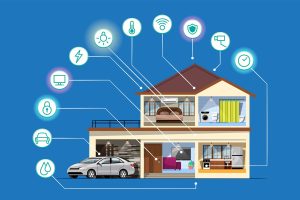
Use‑Cases: How I See Smart Home Devices Improving My Life
Thinking practically, here are ways I imagine using smart devices in my home or recommending to others:
- Smart Lighting
Lights that adjust automatically when I enter a room. Dim lights at night so I’m not blinded. Turn them off when no one is around. - Smart Climate Control
Thermostats/AC systems that learn when I’m home, when I sleep, when I’m out. They can reduce cooling or heating when I’m not there — so more comfort and less bill. - Home Security
Cameras I can check via my phone. Motion sensors that alert me. Smart locks I can lock remotely or for visitors. Perhaps doorbells with video. - Smart Appliances
A refrigerator that can tell me via app when I need groceries. Washing machines or ovens I can schedule. Even devices that optimize energy use (e.g. run when electricity is cheaper). - Voice Assistant Integration
Controlling many devices via voice saves me from walking around with remotes or apps. “Hey Google, turn off all lights,” etc. - Automation & Scenarios
Night mode: when I say “goodnight” or at certain time, doors lock, lights go dim, security activates. Morning routine: blinds open, lights come on softly, maybe start kettle or heater.
How SEO & Content Fit Into This Technology
Since I’m learning SEO, I notice many topics around smart homes are trending. If I were writing or optimizing content in this niche, I would focus on:
- Creating useful, clear guides (how to choose smart devices, how to set up smart home, troubleshooting common issues).
- Reviewing specific devices — but being honest about pros/cons.
- Writing about security and privacy concerns, so readers trust me.
- Making content that addresses local contexts (for example, in Bangladesh, what devices are easily available, what features matter given climate, power supply, internet reliability).
- Ensuring content is up‑to‑date, because the tech changes fast.
My Vision: Where Smart Home Tech Is Going
Here are some trends I believe will shape the next few years, based on what I see:
- Smarter AI & Predictive Behavior
Homes will anticipate more: heating/cooling before I arrive, adjusting lights based on weather/ambient daylight, possibly health monitoring (air quality, etc.), perhaps reminders or suggestions. - Greater Interoperability
Better standards so devices from different brands work smoothly together. Maybe more open systems, less vendor lock-in. - Focus on Sustainability
Solar‑powered devices, energy storage, more efficient appliances, optimization for energy cost and environmental impact. - Local Edge Processing
Instead of everything sending data to the cloud, more processing happening locally for speed, privacy, resilience. - Enhanced Security & Privacy Features
More rigorous encryption, better protocols, more transparency about what devices collect, more control in user’s hands. - Affordable & Scalable Solutions
As demand grows, cost will come down. More options for people in developing countries, ability to upgrade piecewise instead of replacing everything.
Suggestions & Tips If You’re Considering Smart Home Devices
If I were advising someone (or myself) about getting started, here’s what I’d suggest:
- Start small: pick one room or one “smart function” (like lighting or security), learn how it works, then expand.
- Check compatibility: before buying devices, make sure they can work together (same ecosystem or hubs).
- Prioritize security: choose devices from reputable brands, ensure firmware updates are provided, use strong WiFi security, use local control if possible.
- Think about power reliability: in places where electricity is intermittent, having battery backups or devices with manual override is good.
- Consider cost not just upfront but over time: power consumption, subscription fees, maintenance.
- Plan for future upgrades: choose devices that use current protocols, can be updated — avoid being locked into outdated tech.
Conclusion
To sum up, I believe smart home devices represent one of the exciting frontiers of modern technology. They have the power to make life more comfortable, efficient, secure, and personalized. But, like all tech, they come with trade‑offs: cost, complexity, privacy and security.