
Smart home technology has changed the way we think about everyday items, and lighting is one of the biggest game changers. From color-changing smart bulbs to voice-controlled lamps, there are endless ways to make lighting more efficient and fun. But one of the most practical—and surprisingly underrated—innovations is the motion-sensor light bulb.
These bulbs aren’t just about convenience; they’re about safety, savings, and modern living. Instead of relying on switches (which many of us forget to flip off), motion-sensor bulbs take the guesswork out of lighting. Walk into a room? The bulb turns on. Leave? The bulb shuts itself off. It’s that simple.
But do these bulbs really live up to the hype, or are they just another smart home gadget? Let’s break down how they work, where they shine (pun intended), and why they might be the smartest bulbs you’ll ever buy.
What Is a Motion-Sensor Light Bulb?
At first glance, a motion-sensor light bulb looks like any other LED bulb. The difference lies inside: it comes with a built-in motion detector. Instead of waiting for you to flip a switch, it actively scans its surroundings.
When it senses movement—whether that’s you walking into a hallway, your kids running into the garage, or someone approaching your front porch—the bulb automatically turns on. After a set amount of time with no movement, it shuts itself off again, saving electricity.
Types of Sensors in Motion Bulbs
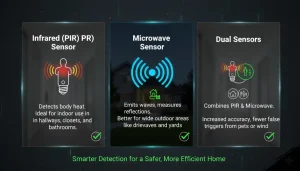
- Infrared Sensors (PIR): Detect body heat (great for indoors).
- Microwave Sensors: Send out waves and measure changes (better for wide outdoor areas).
- Dual Sensors: Combine both for more accuracy and fewer false triggers.
This technology means motion-sensor bulbs can do what traditional bulbs can’t: think for themselves.
How Do Motion-Sensor Bulbs Work?
The process is surprisingly simple, but it feels almost magical:
- Detection – The sensor monitors the space within its range (usually 10–30 feet).
- Activation – As soon as movement is detected, the bulb powers on instantly.
- Timer – The bulb stays lit for a set amount of time (typically 30 seconds to 5 minutes).
- Auto-Off – If no movement is detected, it shuts down until needed again.
Many modern bulbs also allow for customization:
- Adjust sensitivity (so pets don’t trigger it unnecessarily).
- Set daylight detection (so it only works in the dark).
- Control via app or smart assistant for advanced settings.
The end result: a lighting system that adapts to you, rather than the other way around.
Benefits of Motion-Sensor Light Bulbs
So, why should you swap your traditional bulbs for motion-sensor ones? Here’s what makes them worth considering:
1. Energy Efficiency
Lighting can eat up more electricity than you think—especially if you (or your kids) tend to forget to switch them off. Motion-sensor bulbs solve this problem. They only turn on when needed, which significantly reduces wasted energy.
💡 Example: A hallway light left on for 8 hours unnecessarily could cost you a few extra dollars each month. With motion detection, that light might only stay on for 20 minutes total in a day. Over a year, that adds up to real savings.
2. Convenience
No more fumbling for switches with your hands full of groceries. The light just comes on. In areas like staircases, pantries, or basements, this makes everyday living smoother and safer.
3. Safety and Security
- Indoors: Prevent trips and falls at night by ensuring pathways are lit automatically.
- Outdoors: Motion-activated lights act as a deterrent for intruders—no one likes being caught in the spotlight unexpectedly.
4. Longer Bulb Life
Since the bulbs aren’t on constantly, they last longer. Most LED-based motion bulbs are rated for 15,000–25,000 hours, which means years of use.
Best Places to Use Motion-Sensor Bulbs
The beauty of these bulbs is that they adapt to different environments. Here are some of the smartest places to install them:
Indoors
- Hallways & Staircases: Automatic lighting keeps you safe at night.
- Closets & Pantries: No need to search for switches while carrying items.
- Bathrooms: Helpful for kids and elderly family members who may forget switches.
- Garages & Basements: Lights up automatically as soon as you enter dark, often cluttered spaces.
Outdoors
- Porches & Entryways: Welcomes you home safely at night.
- Driveways & Garages: Illuminates your path and deters unwanted visitors.
- Backyards & Gardens: Perfect for evening gatherings and added security.
- Pathways: Ensures safe walking routes after sunset.
Think of motion-sensor bulbs as “set-and-forget” lighting for both convenience and peace of mind.
Things to Consider Before Buying
Not all motion-sensor bulbs are created equal. To get the best fit for your home, keep these factors in mind:
-
- Detection Range: A larger outdoor area might need 30 feet of coverage, while a small hallway might only need 10.
- Brightness (Lumens): Indoors typically needs 800 lumens; outdoors or security areas may need 1,200+.
- Color Temperature: Warm white (2700K–3000K) creates cozy indoor lighting; cool white (4000K–5000K) works better for outdoor security.
- Timer Settings: Adjustable timers let you fine-tune how long lights stay on.
- Weather Resistance: For outdoor use, ensure the bulb is rated for moisture and temperature changes.
- Smart Features: Some bulbs integrate with Alexa, Google Home, or Wi-Fi apps for extra control.
- Power Source & Compatibility: Most are screw-in like regular bulbs, but always double-check your fixture type.
Are Motion-Sensor Bulbs Worth It?
In short: yes—if you value safety, convenience, and efficiency.
They’re especially valuable in:
- Homes with kids or elderly residents.
- High-traffic areas where lights are often left on.
- Outdoor spaces where visibility and security matter.
💡 Example: Imagine pulling into your driveway at night. Instead of walking into darkness or wasting electricity by leaving lights on all evening, a motion bulb lights your path as soon as you arrive.
Real-Life Scenarios Where They Shine
- Parents with Children: Kids often forget to turn off lights. Motion-sensor bulbs fix this automatically.
- Elderly Living Alone: No more dangerous trips to the switch in the dark.
- Pet Owners: Keep pathways lit when pets move around without wasting power.
- Apartment Living: Great for shared hallways and entrances where switches are inconvenient.
Comparing Motion-Sensor Bulbs to Other Smart Lighting
You might wonder: why not just get smart bulbs or smart switches instead?
- Smart Bulbs: Offer color and voice control, but don’t always handle motion detection natively.
- Smart Switches: Can control circuits but often require professional installation.
- Motion-Sensor Bulbs: Easiest and most affordable plug-and-play option—just screw them in and you’re done.
For many households, motion-sensor bulbs are the sweet spot between affordability and function.
Final Thoughts
Light bulbs with motion sensors are more than just another smart gadget. They’re practical, affordable, and effective. By combining energy efficiency, convenience, and safety, they bring noticeable improvements to everyday living.
Whether you’re lighting a hallway, keeping your porch secure, or making your basement more functional, motion-sensor bulbs adapt to your needs. They save money on electricity, extend bulb life, and reduce risks indoors and out.
👉 If you’re upgrading your home lighting, motion-sensor bulbs are one of the smartest first steps. Start with a few in high-traffic areas and you’ll quickly see how much smoother and safer your home feels.