
Let’s face it—our cats deserve the best, right? And, when it comes to food, they deserve something that’s not just nutritious but also delicious. Enter fresh pet cat food—a game-changer in feline nutrition. In this article, I’ll dive into why fresh food could be the right choice for your cat, how to transition them to it, and the benefits of switching from traditional kibble or canned food.
What You’ll Learn in This Guide:
- Why fresh pet food is more nutritious and healthier for your cat
- The types of fresh cat food you can choose from
- Key ingredients that make fresh food a better option
- How to transition your cat to fresh food with ease
- Common mistakes to avoid during the transition
- Top fresh pet food brands to consider

Why Choose Fresh Pet Cat Food?
If you’re wondering why fresh food is so important for your cat’s health, you’re not alone. With all the food options out there, it can get overwhelming. Here’s the deal: fresh cat food is packed with the nutrients your feline friend needs, unlike dry kibble, which is often processed and filled with fillers.
- Better Quality Ingredients
Fresh food uses whole, real ingredients. No fillers. No artificial preservatives. Just pure nutrition that your cat’s digestive system will love. - Easier Digestion
Fresh food is easier for your cat to digest than dry kibble. Why? It’s packed with moisture, unlike dry kibble, which can sometimes lead to dehydration or urinary issues. - Improved Skin and Coat
The high-quality fats and proteins in fresh food help keep your cat’s coat shiny and their skin healthy. If your cat’s coat could talk, it would definitely thank you! - Overall Health Benefits
Fresh food helps keep your cat in shape. It promotes good weight, boosts their immune system, and ensures they get a well-rounded diet. Plus, the added moisture can prevent kidney issues and urinary tract infections.
The Types of Fresh Pet Cat Food
When you decide to try fresh food for your cat, there are a few options to choose from. Depending on your cat’s needs, you can choose a variety of options:
Frozen Fresh Food
- Frozen fresh food is exactly what it sounds like—fresh meals that are frozen to preserve their nutrients. You thaw them before feeding your cat. Brands like Smalls and The Farmer’s Dog offer frozen meals that are easy to store and serve.
Refrigerated Fresh Food
- If frozen food feels like a hassle, there’s always refrigerated fresh food. It comes pre-cooked and ready to serve. Some pet food brands ship this directly to your door, making it a convenient option for busy pet owners.
Home-Prepared Fresh Meals
- For the DIY cat owners, you can prepare fresh meals at home! While this requires more time and effort, it’s totally worth it if you enjoy cooking and want to ensure your cat gets the best possible diet.
What’s Inside Fresh Pet Cat Food? Key Ingredients Explained
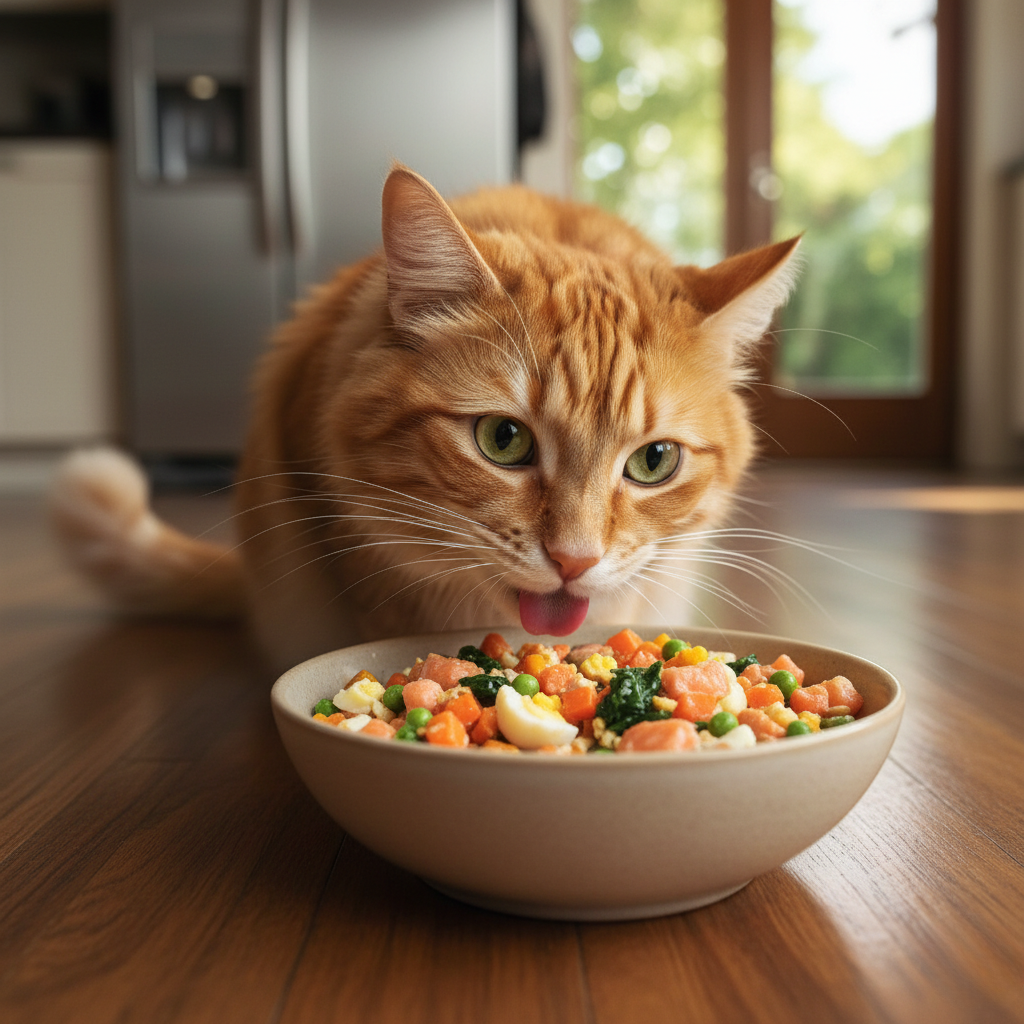
Now let’s get into the heart of fresh food—what’s actually in it? The best fresh food is packed with high-quality proteins and essential nutrients. Here’s a closer look at the ingredients:
High-Quality Proteins
- Fresh food is typically made with high-quality proteins such as chicken, turkey, fish, and beef. These proteins are easy to digest and provide the necessary amino acids that your cat needs for energy, muscle development, and general health.
Fresh Vegetables
- Some fresh foods also include vegetables like carrots, spinach, and sweet potatoes, which provide vitamins, minerals, and fiber. Cats are obligate carnivores, so their meals will be primarily protein-based, but a little vegetable boost never hurts!
Healthy Fats
- Fats are important for energy, healthy skin, and a shiny coat. Look for fresh foods that use fats from animal sources, like chicken fat or salmon oil.
No Fillers
- The best part about fresh food? No grains, corn, or soy. It’s just the good stuff—protein and fat. Your cat will thank you for not feeding them a bunch of empty calories.
How to Transition Your Cat to Fresh Food
Switching your cat to fresh food doesn’t have to be stressful. In fact, if you do it gradually, your cat will hardly notice the change. Here’s how:
- Start Slowly
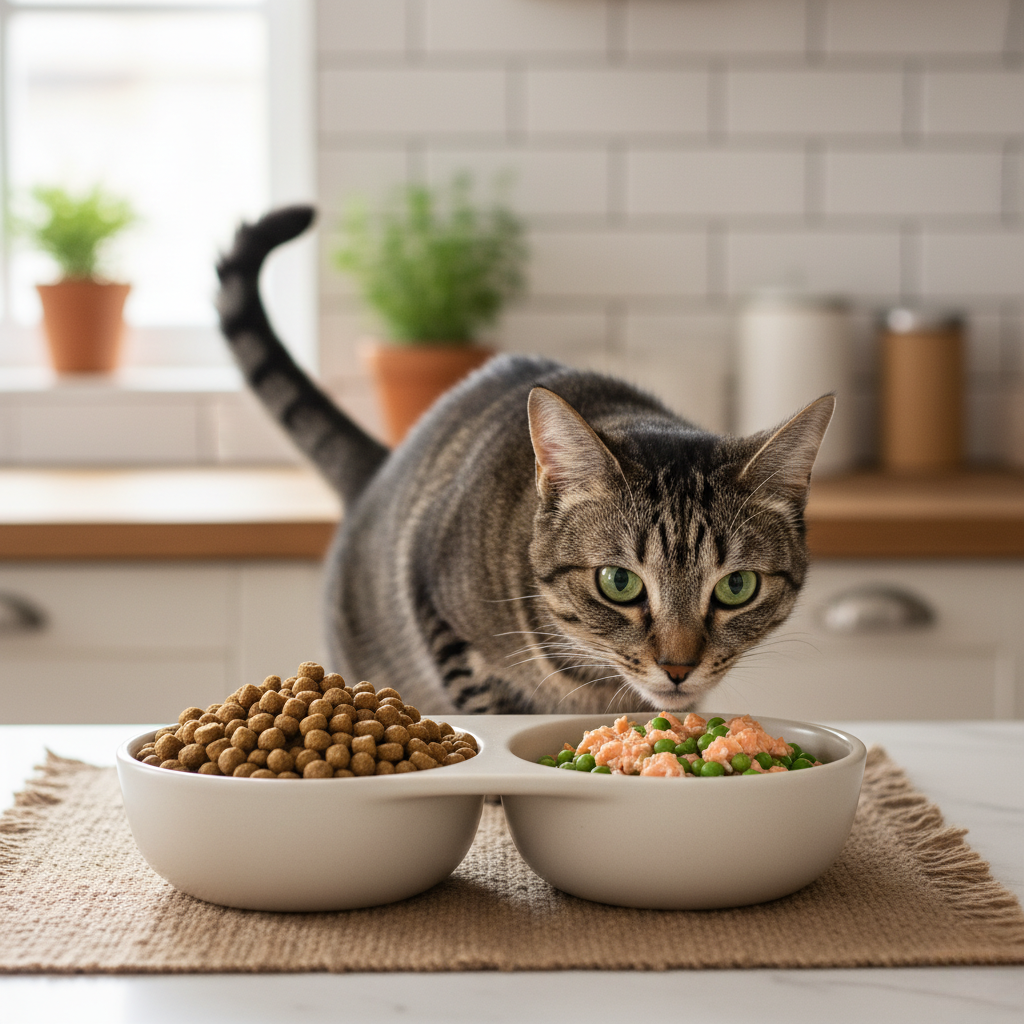
I recommend starting with a small amount of fresh food mixed in with their regular food. Gradually increase the amount of fresh food and reduce the regular food over a week or so. - Monitor Their Reaction
Keep an eye on your cat’s digestion. Fresh food can sometimes cause changes in bowel movements. If it’s a smooth transition, you’re good to go. If not, take it slow. - Portion Control
Fresh food can be richer than kibble, so be sure to adjust portion sizes. Your cat doesn’t need to overeat, and you want to make sure they’re getting the right amount of food. - Use Positive Reinforcement
Reward your cat with extra love and attention when they eat their fresh food. After all, it’s a big change, and you want them to associate the food with positive experiences.
FAQ :
1. What is fresh pet cat food?
Fresh pet cat food is made from real, whole ingredients like chicken, fish, and vegetables, offering a more natural and nutritious diet than processed kibble or canned food.
2. Is fresh pet cat food better than dry kibble?
Yes. Fresh pet cat food provides higher-quality protein, more moisture, and fewer fillers—helping improve digestion, skin, coat, and overall health.
3. How do I transition my cat to fresh pet cat food?
Start by mixing a small amount of fresh food with your cat’s regular food and gradually increase it over 7–10 days to avoid digestive upset.
4. What are the best fresh pet cat food brands?
Top-rated brands include Smalls, Nom Nom, The Farmer’s Dog, and Stella & Chewy’s, all known for using high-quality, human-grade ingredients.
5. Can I make fresh pet cat food at home?
Yes, you can prepare homemade fresh meals using high-quality meat and healthy fats—but ensure it’s nutritionally balanced or consult your vet for guidance.
Common Mistakes to Avoid When Switching to Fresh Cat Food
Switching your cat to fresh food is an exciting step toward improving their diet, but it’s important to avoid a few common mistakes to ensure a smooth transition. Here’s what to watch out for when making the change from kibble or canned food to fresh, whole ingredients.
1. Switching Too Quickly
One of the biggest mistakes people make is trying to switch their cat to fresh food too fast. While you may be eager to see your cat enjoy healthier meals, a sudden diet change can cause digestive upset. Cats’ stomachs are sensitive, and abrupt transitions can lead to vomiting, diarrhea, or a lack of appetite. Instead, I recommend gradually mixing in fresh food with your cat’s current food. Start with 25% fresh food and slowly increase the amount over a week or two.
2. Overfeeding Fresh Food
Fresh food is often richer and more nutrient-dense than dry kibble. As a result, it’s easy to overfeed your cat without realizing it. Many cat owners assume they should serve the same portions as they would for kibble, but fresh food is more filling. To avoid weight gain, make sure you’re adjusting portion sizes according to your cat’s specific needs—whether they’re a kitten, adult, or senior cat. Be sure to consult your vet or use portion calculators available from fresh food brands.
3. Not Monitoring Your Cat’s Reaction
Even though fresh food is healthier, not all cats will immediately love it. Some cats may take a while to adjust to the taste or texture of fresh meals. Watch for signs of digestive issues, such as diarrhea, constipation, or lack of interest in food. If your cat has trouble adjusting, don’t be discouraged. A slow transition, as mentioned earlier, will help prevent these issues. If problems persist, it might be worth trying a different type of fresh food or consulting your vet.
4. Ignoring Balanced Nutrition
Fresh food for cats should be nutritionally balanced. Just because it’s fresh doesn’t mean it’s automatically ideal for your cat. Many homemade or store-bought fresh foods are formulated to meet a cat’s dietary requirements, but always double-check the ingredients. Avoid feeding your cat only protein or meat-based foods, as they also need vitamins, minerals, and fiber. Ensure the food contains a variety of nutrients that meet your cat’s complete dietary needs.
Popular Fresh Pet Cat Food Brands
Choosing the best food for your cat can be a challenge, especially with so many options out there. Fresh pet cat food has gained popularity recently due to its high-quality ingredients and superior nutritional benefits. In this article, I’ll share some of the most popular fresh pet cat food brands that are making waves in the pet food industry.
1. Smalls
If you’re looking for fresh, human-grade food for your cat, Smalls is a top contender. Smalls offers a variety of fresh food options made from high-quality ingredients like chicken, turkey, and fish. Their meals come in different forms, including frozen, freeze-dried, and fresh meals, allowing you to choose the best option for your cat’s needs. Smalls is known for being a convenient, subscription-based service, delivering meals right to your door. Their recipes are designed to meet the nutritional needs of cats, ensuring they get the right balance of protein, fats, and nutrients.
2. The Farmer’s Dog
While The Farmer’s Dog is best known for its dog food, they also offer fresh meals for cats. The brand focuses on creating fresh, human-grade meals tailored to your pet’s specific needs. They use ingredients such as chicken, turkey, and beef, along with vegetables like carrots and sweet potatoes. The meals come pre-portioned, and you can customize your cat’s diet based on their age, weight, and health conditions. The Farmer’s Dog uses no artificial preservatives, additives, or fillers, ensuring your cat gets the best nutrition possible.
3. Nom Nom
Another great option in the fresh pet food category is Nom Nom. Known for its fresh, cooked meals, Nom Nom offers high-quality, protein-packed food for cats. Their meals are made with fresh ingredients like chicken, beef, and fish, and they avoid using fillers like grains or by-products. Nom Nom is delivered right to your door, making it a convenient choice for busy cat owners. With their easy-to-store, refrigerated meals, Nom Nom offers a hassle-free way to feed your cat fresh, balanced meals.
4. Stella & Chewy’s
If your cat prefers raw food, Stella & Chewy’s is an excellent brand to consider. Known for its freeze-dried raw meals, Stella & Chewy’s offers a wide range of protein options, including chicken, turkey, and rabbit. Their meals are made with high-quality, natural ingredients and are free from artificial preservatives and additives. Stella & Chewy’s meals are designed to mimic a cat’s natural diet, providing them with the nutrients they need in a raw, easily digestible form.
Conclusion: Fresh Food, Happy Cat
In the end, fresh pet cat food is an investment in your cat’s health and happiness. It provides superior nutrition, helps with digestion, and keeps your cat in top shape. If you’re considering switching your feline friend to fresh food, just take it slow, choose high-quality ingredients, and keep an eye on their health.
For more information on cat food and how to make the best choices for your cat, check out my posts on Weruva cat food reviews or cat food comparable to Pet Pride pate. These resources will help you make the best decisions for your furry friend.