
Guide to the Best Cat Food for Your Feline Friend
So here is the skinny, I’m a fanatic cat owner and I understand how important it is to get the right food for your cats, so they will be healthy and happy. Nutritional needs for cats are individual, so finding the best cat food for your favorite feline can be daunting. Don’t fret, though — I’ve got you covered. In this guide, I will give you the fundamentals on cat food starting from types of food to dietary needs and everything in between.
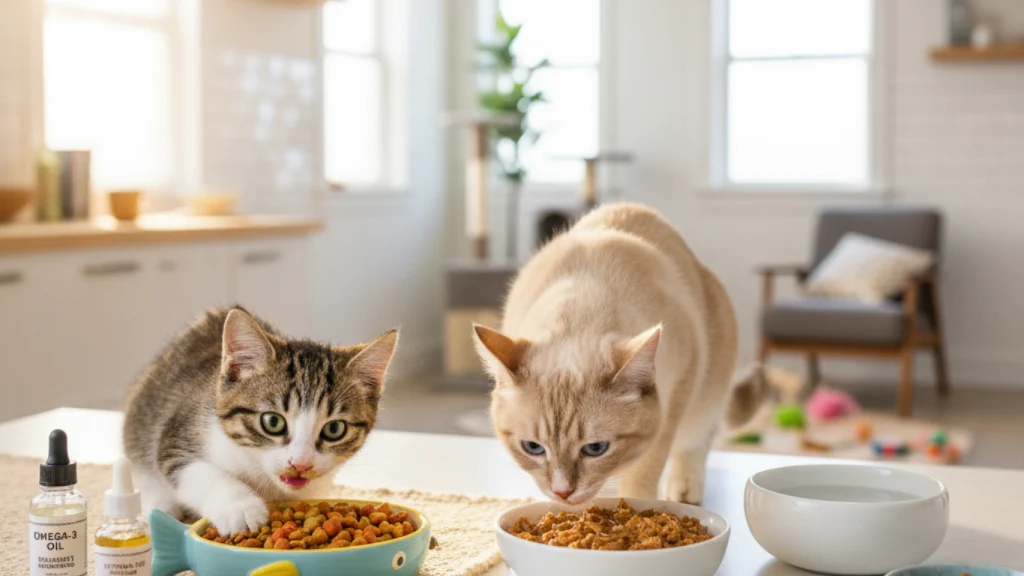
- Here’s what you need to know from this article:
- How to pick the best cat food for various life stages
- What to look for in quality cat food
- What Food is best for your cat’s health and happiness
- Top mistakes to avoid when choosing cat food
- How to store cat food properly for maximum freshness
How to Decide on the Best Cat Food for Your Feline Friend
When I’m choosing the best cat food, my initial consideration is my cat’s age, health and preferences. The nutritional requirements of cats change as they age, so it is important to find cat food that’s appropriately formulated for your cat’s life stage. Here’s what I keep in mind:
Kittens:
They require a high-protein, high-fat diet to fuel their fast-growing bodies and maintain energy levels. I’ve learned over the years that kittens do best when fed wet food or a combination of wet and dry, because it’s gentle and easy to chew and digest.
Adult Cats:
When they’re not kittens anymore, adult cats will require a balanced nutritional plan. I search for food with high quality protein and optimal nutrition to help them maintain a healthy weight and overall good health.

Geriatric Cats:
When cats become older, their metabolism slows down and their nutritional requirements change. Senior cat food is often lower in calories and higher in fiber, with added ingredients to support aging joints. I’ve found that switching to senior-formulated food is the best way to help keep my cat healthy in their golden years.
Main Ingredients in Cat Food to Look For:
Knowing what is in cat food can be the difference between you providing a meal that’s good enough for your cat, and one that isn’t. These are the key things I’m always looking for:
Animal-Based Proteins: Cats are natural carnivores, so they do best with animal-based proteins, such as chicken, turkey or fish. Protein keeps up muscle mass and energy. I’ve discovered that real meat (not by-products) should be the first listed ingredient.
Best Fats: This diet is balanced with healthy fats. Omega fatty acids, such as those from fish oil, maintain your cat’s skin and fur gleaming. They also contribute to brain and eye health, particularly for kittens and senior cats.
Taurine: An amino acid that supports heart health, vision and the ability to reproduce. Taurine is contained in most high-quality cat foods.
Vitamins and Minerals: A and E vitamins contribute to the immune system, while calcium, phosphorus are essential for strong bone and teeth.
No Fillers: All fillers are off the menu if I can help it, including corn, soy and wheat along with meat. These components provide little to no nutritional value and can lead to weight gain.

Cat Food Types: What Is best for Your Cat?
Now that I know what I should be looking for, it’s time to choose the type of food. As an experiment, I’ve tested a few of them, and here’s what I’ve found works best in different scenarios:
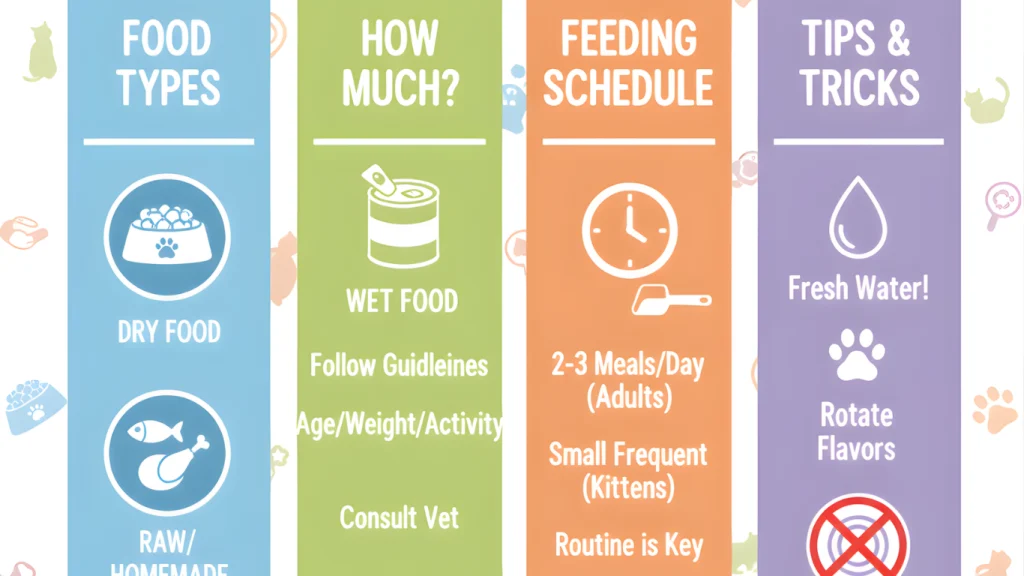
Dry Food (Kibble): Dry food is easy to serve, cost effective and can aid in dental hygiene. But it’s not very moist, and that’s a problem — cats don’t tend to drink enough water. Normally he gets wet food mixed with dry to make sure he’s drinking plenty.
Wet Food (Canned): Wet food provides a good amount of hydration because it is higher in water content than dry cat food. I’ve noticed how much cat love the taste of wet food and how easy it is for them to chew. Plus, it is especially beneficial for cats that are susceptible to urinary issues.
Raw food: I haven’t done this personally, but there are some cats for which raw can be a good choice. If you choose to go with raw food, make sure it comes from a reliable source to prevent bacterial contamination.
Freeze-Dried Food: I also think about freeze-dried food. It preserves nutrients for full potential and keeps well, which is a double win for me. I mix it up by including other types of food so my cat does not get bored.
Top Mistakes to Avoid When Choosing Cat Food
Shopping for cat food isn’t always easy, and there are a few mistakes I’ve made nearly every single step of the way. Here’s what I know to steer clear of:
Not Paying Attention to Portions: I was overfeeding my cat because I didn’t realize how simple it is to miss the mark. Now, I meticulously portion out our meals to prevent obesity — a familiar problem in indoor cats.
Failing to Take Food Sensitivities Into Account: Some cats have sensitivities or allergies to certain foods, and I’ve learned to be on the lookout for symptoms like vomiting, diarrhea or skin conditions. When my cat exhibits any of these symptoms, I check the ingredients right away and find something more appropriate food for sensitive stomach.
Opting for Cheap Alternatives: It may be tempting to invest in a low-cost food product, but I have learned that inexpensive ingredients can cause health problems as your pet ages. You’d be much better spending money on good-quality food that gives you the right nutrients.
Not Reading Labels Carefully: I cannot emphasize this enough, always read the labels! Some brands disguise subpar ingredients in catchy euphemisms (meat by-products, animal digest), or suffering-inducing additives and junk fillers. I steer clear of blindly formulated foods, and instead go for those with legitimate meat sources.
How to Store Cat Food Properly
For the best cat food possible, you will need to store it right. I keep my cat’s food in a cool dry space, sealed tightly to retain freshness. For wet food, I refrigerate any leftovers and see to it that they’re used within a couple of days. Be sure to read the expiration date and do not store food in a wet place or it will become moldy.
1. Is dry or wet food better for cats?
A mix of both is best — dry food helps with dental health, while wet food provides essential hydration.
2. What ingredients should I avoid in cat food?
Avoid meat by-products, corn, soy, wheat, and artificial preservatives. Always look for foods with real meat as the first ingredient.
3. How much should I feed my cat?
It depends on your cat’s age, weight, and activity. Most adult cats need 2–3 small meals per day, totaling about 200–250 calories daily.
4. Can I feed homemade cat food?
Yes, but it must be vet-approved and nutritionally balanced. Cats require taurine and other essential nutrients that may be missing in homemade meals.
5. What is the best food for senior cats?
Senior cats thrive on foods rich in omega-3s, fiber, and joint-supporting nutrients like glucosamine and chondroitin.
6. Should I change cat food brands often?
Avoid frequent changes. Transition slowly over 7–10 days when switching to a new formula to prevent stomach upset.
Conclusion
Selecting the right food for your cat goes way beyond just purchasing a bag at the store. It’s learning about their specific nutritional needs and using that knowledge to make educated choices. Understanding your cat’s age, health and likes to help you find food that helps them thrive—and keep them happy.
If you’re not sure what food is best for your meowing companion, consult with your vet — they can recommend a specific product that will meet your cat’s individual needs.
For additional tips on how to care for a cat, read my articles on what’s the best cat food for senior cats and best cat food for cats with diarrhea. Happy feeding!