
Smart home devices are changing how people use and manage their homes. Today, connected products can control lighting, temperature, security, entertainment, and many everyday tasks.
For beginners, however, the number of available products can feel confusing. There are smart lights, plugs, cameras, thermostats, locks, sensors, speakers, and many other options.
The good news is that you do not need to buy everything at once. Instead, you can start with a few useful products and expand your setup over time.
This guide explains how connected home technology works, the most common product categories, their benefits, security considerations, and how to build a simple setup.
What Makes Smart Technology Different?
A smart home uses connected products that can communicate with an app, hub, smartphone, voice assistant, or another compatible device.
For example, a homeowner can use a smartphone to turn off a light while away from home. Similarly, a connected thermostat can follow a schedule without constant manual adjustment.
The real advantage comes from automation. Several devices can work together to complete a routine automatically.
How Do Connected Products Work?
Most connected products communicate through technologies such as Wi-Fi, Bluetooth, Zigbee, or Thread.
A basic setup can work like this:
Device → Network → App or Hub → User
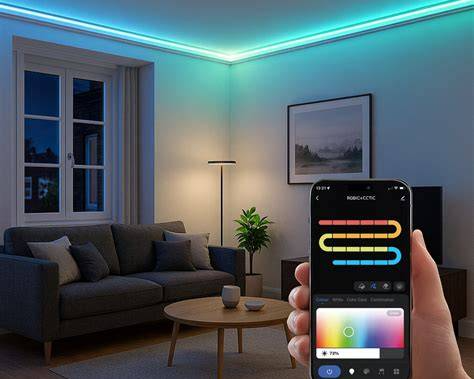
For instance, a smart bulb may connect to your home Wi-Fi. After setup, you can control brightness, change colors, or create schedules from an app.
Some products connect directly to Wi-Fi. Others use a hub or bridge. Therefore, always check the connection requirements before buying a new product.
Outbound link: Add an external link to the official Connectivity Standards Alliance Matter page using the anchor text “Matter smart home standard.”
Popular Smart Home Devices
Smart Lighting
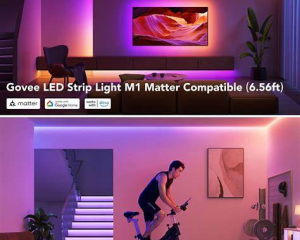
Smart bulbs and LED strips are popular starting points because they are easy to understand and use.
You can usually control them with a smartphone. In addition, many models offer dimming, color changes, schedules, and automation.
Home Security Cameras
Connected cameras can help homeowners monitor important areas around a property.
Depending on the model, features may include motion alerts, night vision, two-way audio, recording, and smartphone notifications.
A doorbell camera can also let you see visitors without opening the door.
Smart Thermostats
A connected thermostat allows remote temperature control through an app.
Furthermore, many models support schedules and other automation features. Some can also provide information about heating and cooling use.
Smart Plugs
A smart plug can add app-based control to a compatible traditional appliance.
For example, you could use one with a lamp, fan, or other suitable device. You can then create a schedule or turn it off remotely.
Smart Locks and Sensors
Smart locks can provide connected access control. Meanwhile, motion and contact sensors can trigger useful routines.