
Your kidneys perform many vital jobs: filtering waste, regulating fluid balance, balancing electrolytes, controlling blood pressure, activating vitamin D, and more. When kidney function declines (as in chronic kidney disease, CKD) or is stressed (e.g. from high blood pressure or diabetes), certain nutrients may become deficient, or the kidney’s ability to handle excesses becomes limited. In those situations, some supplements might help:
- Fill nutrient gaps (for example, vitamin D or iron).
- Lower oxidative stress or inflammation (some antioxidants).
- Support blood pressure, vascular health, or other organs that impact kidney stress.
However — and this is crucial — the kidneys also clear or concentrate many substances, so supplements that seem benign in healthy people can accumulate or cause harm in those with impaired kidney function. Some herbal products may be toxic or interact badly with medications. (National Kidney Foundation)
Because of that, any supplement must be chosen carefully, monitored (with lab tests), and adapted to one’s kidney function, diet, and medications.
With that caution in mind, here’s a thoughtful look at supplements that show promise for kidney support (in appropriate settings), along with safety considerations.
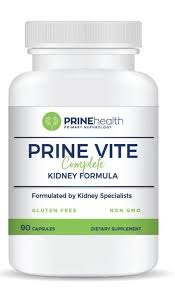 Supplements Often Considered for Kidney Health
Below are supplements that are more commonly discussed in the context of kidney support. They are not guaranteed cures — rather, potential helpers under medical supervision.
Vitamin D (Cholecalciferol / D3, or active forms)
Why it might help:
- The kidneys convert vitamin D into its active form (calcitriol). In kidney disease, this conversion may decline, leading to deficiency. (Health)
- Adequate vitamin D supports bone health, calcium balance, and may reduce inflammation or secondary hyperparathyroidism (a bone/kidney complication).
Considerations & cautions:
- Vitamin D and calcium must be balanced; too much vitamin D may raise blood calcium and put extra burden on kidneys. (Michigan Institute of Urology)
- Monitor blood calcium, phosphate, and parathyroid hormone (PTH) levels.
- In advanced CKD, sometimes doctors prescribe the active form (calcitriol) rather than standard vitamin D (because the conversion is impaired).
- Overdosing is harmful.
Bottom line: If a blood test shows vitamin D deficiency, under doctor’s guidance it may be one of the safer and most useful supplements for kidney patients.
Iron (Iron salts or formulations)
Why it might help:
- Anemia is common in kidney disease because the kidneys produce erythropoietin (EPO), which stimulates red blood cell production. Lower EPO → anemia.
- Iron supplementation may help correct iron deficiency, improving energy and reducing strain on the heart. (Health)
Considerations & cautions:
- Iron overload or too much free iron is harmful, especially if the kidneys cannot excrete excess.
- Oral versus intravenous iron dosing must be individualized.
- Monitor ferritin, transferrin saturation, and hemoglobin when supplementing.
- Some iron formulations may interact with other medications or cause gastrointestinal upset.
B Vitamins (especially B6, B12, Folate / B9)
Why they might help:
- B vitamins are essential co-factors in many metabolic pathways, including those involved in detoxification and one-carbon metabolism (e.g. folate).
- In kidney disease, B-vitamin losses or metabolic imbalances can occur. (Health)
- B12 and folate support red blood cell formation, nerve health, and methylation (which can influence cardiovascular risk).
Considerations & cautions:
- Excessive supplementation is rarely needed; the body excretes water-soluble B vitamins, but in CKD that excretion may be impaired. (National Kidney Foundation)
- High-dose B6 (pyridoxine) or other B vitamins in large amounts may cause side effects.
Vitamin C (Ascorbic Acid)
Why it might help:
- A potent antioxidant; may help reduce oxidative stress, which is a contributor to kidney injury. (Health)
Considerations & cautions:
- Too much vitamin C can lead to increased oxalate production, which may form kidney stones (calcium oxalate), especially in vulnerable individuals. (National Kidney Foundation)
- Therefore the dose must be moderate; over-supplementation is risky.
- Monitor urinary oxalate or stone risk if using regularly.
Magnesium
Why it might help:
- Magnesium has roles in vascular tone, blood pressure regulation, and may slow CKD progression beyond its cardiovascular benefits. (Health)
Considerations & cautions:
- High magnesium in the blood (hypermagnesemia) is dangerous, especially in reduced kidney function.
- Use only under supervision, with periodic monitoring of magnesium levels.
Probiotics (Gut-friendly “good” bacteria)
Why they might help:
- Emerging evidence suggests that gut dysbiosis (imbalanced gut bacteria) contributes to toxin buildup (uremic toxins) in CKD.
- Some probiotics may help reduce uremic toxins, improve gut barrier function, reduce inflammation, and potentially ease burden on kidneys. (Health)
Considerations & cautions:
- The evidence is still evolving, mostly from animal models or small human studies.
- Use probiotic strains that have been studied (e.g., Lactobacillus, Bifidobacterium) and avoid immune-compromised mixes without medical supervision.
- Monitor for any changes, GI symptoms, or infection risk in immunosuppressed individuals.
Pyridoxamine (a derivative of vitamin B6)
Why it might help:
- In research, pyridoxamine has been explored for its ability to trap harmful intermediates (like glycation and oxidation products) that worsen kidney damage (especially in diabetic nephropathy). (Wikipedia)
- It may slow progression of kidney damage in some experimental settings.
Considerations & cautions:
- In the U.S., pyridoxamine is regulated more like a pharmaceutical rather than a dietary supplement. (Wikipedia)
- Clinical evidence in humans is limited.
- Use only under medical supervision; more research is needed.
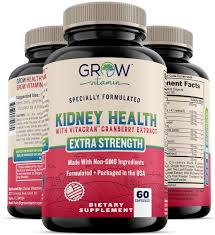 Herbs and Botanical Supplements: Extra Caution Needed
While many people assume “natural” means “safe,” that is not always true — especially in the context of kidney health and kidney disease. (National Kidney Foundation)
Risks to watch out for:
- Hidden toxins or contaminants (heavy metals, adulterants).
- Ingredients that stress the kidney (e.g. high potassium content in herbs, or substances cleared by kidneys).
- Interactions with prescription drugs (blood pressure meds, diuretics, immunosuppressants, etc.).
- Herbs known to be risky for kidney or blood pressure function (e.g. aristolochic acid-containing herbs, astragalus, horsetail, licorice, etc.). (American Kidney Fund)
- Overdosing / cumulative effects — what’s safe in healthy kidneys may accumulate dangerously in reduced-function kidneys.
If you do consider herbal supplements, do so only under the guidance of a nephrologist, using verified products, avoiding risky herbs, and tracking your labs.
Key Safety Principles for Kidney Supplements
To use supplements safely (especially if kidney health is compromised or borderline), keep these principles in mind:
- Always consult your healthcare team first.
Let them know exactly what you intend to take; they can anticipate interactions or risks. (National Kidney Foundation) - Start low, go slow — don’t rush into high doses.
Begin with minimal doses, monitor labs (e.g. creatinine, electrolytes, phosphorus, calcium, magnesium, BUN) to detect any adverse changes. - Avoid supplements with high potassium, high phosphorus, or heavy metals.
These can worsen electrolyte disturbances in kidney disease. (National Kidney Foundation) - Balance nutrients.
For example, giving vitamin D without checking calcium/phosphorus can backfire. Iron without checking iron stores might overload. B vitamins need proportionate balance. - Monitor frequently.
Get routine blood tests to track kidney function, electrolyte levels, mineral balance, and detect any supplement accumulation. - Quality matters.
Use third-party tested supplements (certified by NSF, USP, or equivalent) to reduce the risk of contamination. Many herbal or dietary products are not strictly regulated. (National Kidney Foundation) - Be alert for signs of trouble.
If you experience swelling, unexplained fatigue, changes in urination, electrolyte abnormalities, or other new symptoms, re-evaluate your regimen.
Diet & Lifestyle: The First Line of Kidney Support
Even the best supplements can’t replace the foundation of kidney health, which starts with lifestyle. Think of supplements as supportive, not primary.
- Hydration (appropriately). Staying well-hydrated (within limits appropriate to your kidney condition) helps the kidneys flush waste.
- Plant-forward diets. Diets rich in vegetables, fruits, legumes, and whole grains (with potassium monitoring) tend to reduce kidney stress and may slow CKD progression. (PMC)
- Limit excess protein (especially animal protein) in cases of CKD, as protein waste products stress kidneys.
- Control hypertension, diabetes, and obesity. These are major risk factors for kidney disease.
- Avoid or limit nephrotoxins. Examples: NSAIDs (ibuprofen, naproxen), high-dose or poorly regulated supplements, excessive salt.
- Regular checkups and lab screening. Early detection of kidney decline helps in timely intervention.
Sample Thoughtful Supplement Strategy (Hypothetical Example)
(This is just illustrative. Do not self-prescribe. Your doctor may adjust depending on your lab results and kidney stage.)
Let’s say someone with early-stage CKD (moderate GFR reduction), mild vitamin D deficiency, mild iron deficiency, and no significant hyperphosphatemia.
A nephrologist or renal dietitian might consider:
- Vitamin D3 (1,000–2,000 IU daily) or active form, monitored regularly.
- Low-to-moderate iron supplement (oral) if ferritin/transferrin show deficiency.
- A balanced B complex (especially B6, B12, folic acid) in modest doses.
- Magnesium supplement only if tests show magnesium is low (with careful monitoring).
- Probiotic supplement with known strains (if gut toxins are a concern).
Over months, labs are repeated (creatinine, eGFR, calcium, phosphorus, PTH, iron studies) to see whether adjustment is needed.
If any supplement appears to worsen labs or cause side effects, it would be reduced or discontinued.
What to Avoid or Use with Extreme Caution
- High-dose vitamin C (especially over 1,000 mg daily) — risk of oxalate stones.
- Unproven herbal blends or “kidney cleanse” supplements unless vetted by your doctor.
- Supplements with potassium, phosphorus, or magnesium in large amounts unless clinically needed and monitored.
- Overlapping supplements containing the same nutrient (e.g. two multivitamins + separate vitamin D) — this can lead to inadvertent overdoses.
- Supplements for bodybuilding, performance, or weight loss that may contain hidden or harmful ingredients. (National Kidney Foundation)
- Herbs with known risks for kidney or blood pressure (e.g. aristolochic acid, licorice, horsetail, etc.). (American Kidney Fund)
Summary & Take-Home Messages
- The term “best supplements for kidney health” is misleading if taken indiscriminately — the “best” ones depend on your specific kidney function, lab results, diet, medical history, and risk factors.
- Among supplements, vitamin D, iron, and B vitamins tend to be the most commonly used (with evidence) when deficiencies exist.
- Probiotics and magnesium are promising but require more research in kidney disease settings.
- The biggest risks are created when kidneys are already stressed — excesses, herbals, or unsafe ingredients can backfire.
- Supplements must be used in context with diet, hydration, blood pressure control, avoidance of kidney toxins, and under the supervision of a kidney-specialist.
- Always take a cautious, informed, lab-monitored approach; even a well-meaning supplement can cause harm if misused.
If you like, I can also craft a version focused on “kidney-safe supplements in early CKD” or “supplements to avoid with kidney disease” tailored to your situation. Do you want me to do that?