
In today’s fast-paced world, most of us spend hours indoors — working, studying, or simply scrolling through our phones. While modern life has its perks, it also limits our exposure to one essential thing: sunlight. And with less sunlight comes a lack of vitamin D, often called the “sunshine vitamin.”
Vitamin D plays a crucial role in maintaining overall health, yet millions of people worldwide are deficient without even realizing it. Thankfully, vitamin D supplements offer an easy and effective way to restore balance and unlock a wide range of health benefits.
In this article, we’ll explore the benefits of vitamin D supplements, how they work in your body, and why they might be one of the simplest yet most powerful additions to your daily routine.
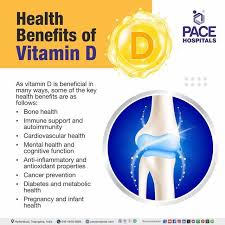 What Is Vitamin D and Why Is It Important?
Vitamin D is a fat-soluble vitamin that functions more like a hormone than a typical vitamin. Your body can produce it naturally when your skin is exposed to sunlight. However, it can also be obtained through certain foods and supplements.
There are two main types of vitamin D:
- Vitamin D2 (ergocalciferol): Found in plant sources and fortified foods.
- Vitamin D3 (cholecalciferol): Found in animal sources and made by the skin when exposed to sunlight. D3 is more effective at raising and maintaining vitamin D levels in the blood.
Once in the body, vitamin D is converted into its active form, calcitriol, which helps regulate calcium and phosphate — two minerals vital for bone strength, immune function, and muscle health.
Strengthens Bones and Prevents Fractures
One of the most well-known benefits of vitamin D is its role in building and maintaining strong bones. It helps your body absorb calcium from food, which is the primary mineral that gives bones their structure and strength.
Without enough vitamin D, your bones can become soft, thin, or brittle, leading to conditions such as:
- Rickets in children, which causes bone deformities.
- Osteocalcin in adults, which results in bone pain and muscle weakness.
- Osteoporosis, a common condition in older adults that increases the risk of fractures.
Boosts Immune System Function
Vitamin D is a powerful immune modulator. It helps your immune system stay balanced — strong enough to fight infections, yet not so overactive that it attacks your own body.
Studies have found that vitamin D supports the production of antimicrobial peptides, natural substances that help fight off bacteria and viruses. People with adequate vitamin D levels are often less likely to get colds, flu, or respiratory infections.
In fact, several studies suggest that individuals who take vitamin D supplements regularly may have a lower risk of developing severe respiratory illnesses, including pneumonia.
Enhances Mood and Mental Health
Have you ever noticed how your mood lifts on a sunny day? That’s not just in your head — sunlight exposure helps your body make vitamin D, which plays a role in brain health and mood regulation.
Vitamin D influences the production of serotonin, a neurotransmitter that contributes to feelings of happiness and well-being. Low levels of vitamin D have been linked to depression, anxiety, and seasonal affective disorder (SAD) — a type of depression that occurs during the darker winter months.
Regular vitamin D supplementation can:
- Improve mood stability
- Reduce symptoms of mild depression
- Support cognitive health in aging adults
So, if you live in a region with long winters or limited sunlight, adding a vitamin D supplement could make a noticeable difference in how you feel day to day.
Supports Heart Health
Your heart also benefits from having enough vitamin D. Studies have found that low levels of vitamin D are associated with higher risks of heart disease, including hypertension (high blood pressure), heart attack, and stroke.
Vitamin D helps regulate blood pressure by supporting the function of the heart muscle and the flexibility of blood vessels. It may also reduce inflammation, one of the underlying causes of cardiovascular problems.
While more research is needed to fully understand all the mechanisms, maintaining optimal vitamin D levels can be an important step in promoting a healthy heart and circulatory system.
Improves Muscle Strength and Physical Performance
Vitamin D isn’t just good for bones — it’s also essential for muscle function. It helps muscles contract properly, supports energy production, and contributes to faster recovery after physical activity.
Deficiency can lead to muscle weakness, fatigue, and increased risk of falls, especially in older adults. Studies show that supplementation can improve muscle strength, balance, and coordination
For athletes, maintaining healthy vitamin D levels may enhance endurance, strength, and performance, making it a simple but effective part of a fitness regimen.
Aids Weight Management and Metabolism
Surprisingly, vitamin D might also play a role in weight control. Several studies have linked low vitamin D levels to increased body fat and difficulty losing weight.
Vitamin D helps regulate hormones that influence appetite and fat storage, such as leptin and insulin. It may also improve the body’s sensitivity to insulin, reducing the risk of type 2 diabetes.
While it’s not a magic weight-loss pill, maintaining adequate vitamin D levels through supplements can support overall metabolic health and make it easier to manage a healthy weight alongside diet and exercise.
Reduces Inflammation in the Body
Chronic inflammation is a silent contributor to many diseases, from arthritis and heart disease to autoimmune disorders. Vitamin D has anti-inflammatory properties, helping to reduce the production of inflammatory chemicals in the body.
Regular supplementation may help alleviate symptoms in people with:
- Rheumatoid arthritis
- Chronic fatigue
- Autoimmune conditions (like multiple sclerosis or lupus)
By calming inflammation, vitamin D supports the body’s natural healing processes and contributes to long-term health and vitality.
Promotes Healthy Pregnancy and Child Development
For expectant mothers, vitamin D is especially important. It supports the growth of the baby’s bones, brain, and immune system. Low levels during pregnancy are associated with an increased risk of:
- Gestational diabetes
- Preterm birth
- Low birth weight
Vitamin D supplementation during pregnancy can also help reduce the likelihood of bone deformities or developmental issues in newborns.
For infants and young children, vitamin D supports strong bone growth and helps prevent rickets, a disease that can cause bone weakness and deformities.
May Protect Against Certain Cancers
Emerging research suggests that vitamin D may play a protective role against certain cancers, including colon, breast, and prostate cancers. It helps regulate cell growth, promotes the destruction of harmful cells, and may prevent cancerous cells from spreading.
While more studies are needed, maintaining healthy vitamin D levels through diet, sunlight, or supplements may contribute to lower long-term cancer risks.
 How Much Vitamin D Do You Need?
The recommended daily amount (RDA) of vitamin D can vary depending on age, lifestyle, and overall health:
| Age Group | Recommended Daily Intake |
|---|---|
| Infants (0–12 months) | 400 IU (10 mcg) |
| Children & Adults (1–70 years) | 600 IU (15 mcg) |
| Adults over 70 years | 800 IU (20 mcg) |
| Pregnant & Breastfeeding Women | 600–800 IU (15–20 mcg) |
However, some experts suggest higher doses (1,000–2,000 IU per day) for people with limited sun exposure, darker skin tones, or those living in northern climates. It’s best to check your vitamin D levels through a blood test and talk to a healthcare provider before starting any new supplement regimen.
Natural Sources of Vitamin D
While supplements are effective, you can also boost your vitamin D naturally by:
- Getting sunlight: 10–30 minutes of midday sun exposure several times a week.
- Eating vitamin D-rich foods, such as:
- Fatty fish (salmon, mackerel, sardines)
- Egg yolks
- Fortified milk or cereals
- Mushrooms exposed to sunlight
Combining natural sources with a good supplement ensures your body gets what it needs, year-round.
Possible Side Effects and Precautions
While vitamin D supplements are generally safe, too much can cause problems. Extremely high doses may lead to vitamin D toxicity, resulting in high calcium levels, kidney stones, or nausea.
To stay safe:
- Avoid exceeding 4,000 IU (100 mcg) daily unless prescribed by a doctor.
- Take supplements with meals containing fat for better absorption.
- Get your levels checked regularly if you take high doses long-term.
Final Thoughts
Vitamin D is small but mighty — a nutrient that quietly supports almost every system in your body. From stronger bones and better mood to improved immunity and heart health, the benefits of vitamin D supplements are extensive and well-supported by science.
If you often feel tired, get sick frequently, or rarely see the sun, you might be missing out on this essential nutrient. Adding a vitamin D supplement to your daily routine is a simple, safe, and effective way to boost your health and bring a little “sunshine” back into your life — no matter the weather outside.