
The Rising Cost of Living and the Smart Home Revolution
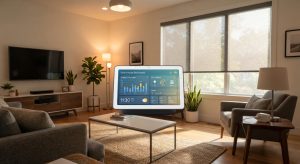
We have all experienced that sudden spike of dread when opening an electricity bill. You stare at the figures, wonder how a standard Tuesday afternoon managed to cost so much, and realize that relying on willpower alone to turn off lights isn’t enough. Fortunately, adding the right smart home device to your household offers a smarter way out. We are living through a massive shift where home automation is no longer just about convenience or showing off flashy voice-activated gadgets to guests. Today, the core driver behind modern home tech is sustainability and financial relief. Equipping your house with energy-saving solutions can fundamentally change how your household consumes power, cutting waste quietly in the background without requiring you to constantly micro-manage your daily routine.
Let’s dive into the essential gadgets that keep your home comfortable while shrinking your carbon footprint and monthly utility expenses.
Understanding Where Every Smart Home Device Fights Energy Waste
Before jumping straight into shopping lists, it helps to understand the enemy. In an average household, energy consumption isn’t distributed evenly. Heating and cooling swallow up more than half of the typical electricity and gas budget, followed closely by water heaters, large appliances, and lighting. Compounding this problem is what engineers call “vampire power”—the stealthy electricity drawn by electronics like TVs, game consoles, and chargers even when they are turned off or sitting in standby mode. Traditional homes are riddled with these silent leaks. This is precisely where smart technology steps in, transforming an inefficient space into an optimized ecosystem. When you integrate a targeted smart home device, you immediately neutralize these hidden power drains.
The Ultimate List of Energy-Saving Smart Home Devices
Let’s break down the core devices that deliver the highest return on investment for your energy-saving goals. Every single smart home device highlighted below is designed to cut waste without sacrificing daily comfort.
1. Learning Smart Thermostats
If you want to make the single biggest dent in your monthly utility costs, start with your thermostat. Heating and cooling account for roughly 50% to 55% of home energy use. Running your climate control system at full blast while nobody is home is literal money out the window.
Learning smart thermostats—such as advanced models from Google Nest or ecobee—solve this by studying your schedule and preferences. They use geofencing via your smartphone to detect when you leave the house, automatically scaling back heating or cooling.
- The Savings Impact: Studies consistently show that a well-programmed smart thermostat can reduce annual heating and cooling bills by 10% to 15%.
- The Comfort Factor: Your home reaches your ideal temperature right as you step through the door after work, eliminating the need to blast the system manually.
2. Smart Plugs and Power Strips
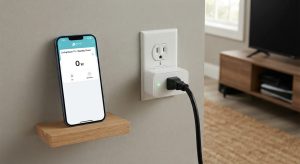
Remember vampire power? Smart plugs and intelligent power strips are your best defense against it. These affordable little gadgets plug directly into standard wall outlets, letting you cut power to connected electronics entirely via smartphone apps or automation routines.
| Device Type | Primary Function | Ideal Application |
| Standard Smart Plug | Remote switching & scheduling | Coffee makers, bedroom lamps, window fans |
| Smart Power Strip | Individual outlet control & surge protection | Home office setups (PC, monitor, printer) |
| Energy-Monitoring Plug | Real-time tracking of electricity draw | Older appliances to spot power hogs |
3. Smart Lighting and Motion Sensors
Leaving lights on in empty rooms is a classic household battle. While upgrading to basic LED bulbs is a great baseline, smart lighting takes efficiency a step further. Smart bulbs and automated dimmer switches let you schedule lighting changes based on the time of day. Pair them with wireless motion sensors or occupancy sensors, and your lights will automatically switch off a few minutes after you leave a room. Furthermore, dimming an LED bulb by just 20% can noticeably cut its power consumption while making the room feel softer and more inviting.
4. Smart Power Strips for Home Offices
With remote and hybrid work styles dominating modern life, home offices have become massive energy consumers. Desktops, dual monitors, docking stations, and routers hum away all day. A smart power strip can be programmed to cut power to office peripherals entirely during non-working hours—say, from 7:00 PM to 7:00 AM—effectively shutting down phantom loads while you sleep.
Practical Tips for Managing Your Smart Home Device Ecosystem
Buying gadgets is only half the battle; how you configure them dictates your actual savings. Before making a purchase, ensure each smart home device aligns with your daily habits using these field-tested tips:
- Leverage Geofencing: Don’t rely solely on rigid time schedules. Set up geofencing so your smart thermostat and lights respond dynamically when the last family member leaves the house.
- Audit Your Energy Data: Use plugs or ecosystem dashboards with energy monitoring features to track which appliances consume the most electricity. You might discover an old secondary refrigerator in the garage is doubling your bill.
- Group Devices into Routines: Create unified automation routines like an “Away” mode that simultaneously turns off non-essential smart plugs, adjusts the thermostat by a few degrees, and turns off all indoor lights.
- Embrace Interoperability: Ensure your devices speak the same language using open standards like Matter. When your motion sensors can directly communicate with your smart vents or thermostat, efficiency skyrockets.
Common Pitfalls When Upgrading Your Smart Home Device
Even enthusiastic tech upgraders sometimes stumble. Keep these missteps in mind:
- Over-Automating Simple Tasks: Don’t buy a complex smart controller for a simple appliance that you use once a week. Keep automation focused on high-use, high-waste areas.
- Neglecting Network Stability: A smart home relies heavily on stable Wi-Fi. If your router drops connections frequently, your automation schedules will fail, leading to wasted energy instead of savings.
- Buying Incompatible Brands: Mixing ecosystems blindly can lead to a fragmented setup where devices refuse to trigger each other properly. Stick to a cohesive platform or ensure universal Matter compatibility.
Frequently Asked Questions (FAQ)
Do energy-saving smart home devices really lower utility bills?
Yes, absolutely. While the upfront investment varies, devices like smart thermostats and automated plugs directly eliminate waste by ensuring heating, cooling, and electricity are only used when actively needed. Most users see a noticeable drop in bills within the first few months of optimization.
What is the easiest smart home device for a beginner to install?
Smart plugs are widely considered the best starting point. They require zero wiring, plug into any standard outlet, cost very little, and let you instantly control and schedule lamps or small appliances via your phone.
Can renters use energy-saving smart tech?
Definitely. Renters can easily take advantage of smart plugs, smart bulbs, portable smart thermostats (if compatible with the existing low-voltage wiring system), and wireless motion sensors because none of these require permanent structural alterations.
How do smart thermostats save money if I work from home?
Even if you are home all day, smart thermostats optimize efficiency by learning your precise comfort windows, utilizing eco-modes during periods of low activity, and automatically adjusting when rooms are unoccupied or overnight while you sleep.
Conclusion
Transforming your living space does not require a complete eco-renovation or a prohibitive upfront investment. By strategically integrating a reliable smart home device—such as an adaptive learning thermostat, programmable smart plugs, or intelligent lighting systems—you can regain control over your monthly utility expenditures while substantially elevating household comfort.
Are you prepared to optimize your energy consumption? Begin by identifying your property’s primary energy loads, invest in your first foundational smart home device, and observe a measurable reduction in your ongoing utility overhead.