
Why Smart Homes Matter More Than Ever

Remember when turning off the living room lights meant actually getting off the couch? Choosing the right smart home devices banishes that sudden, creeping panic when leaving the house: Did I leave the iron plugged in? Did I lock the front door?
We have come a long way from the clunky, overly complicated gadget setups of a decade ago. Today, setting up a connected living space isn’t about showing off futuristic tech to your guests. It is about reclaiming your time, cutting down unnecessary utility bills, and sleeping sounder at night knowing your property is safe.
If you are looking to step into the world of home automation or want to upgrade an existing setup, you need to know which products actually deliver value. For foundational tips, check out our comprehensive Beginner’s Guide to Home Automation. Let’s break down the ultimate lineup of must-have smart home devices that will completely transform how your household functions.
The Core Ecosystem: Hubs and Voice Assistants for Smart home devices
Before you buy a single lightbulb or security camera, you need a brain for your operation. Without a central ecosystem, you’ll end up juggling five different apps just to turn off a lamp. That is why a smart display or intelligent hub sits at the foundation of any modern house.
The Central Command Centers
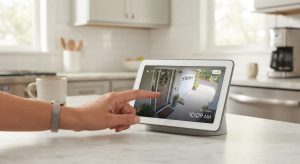
Modern smart displays—such as those integrated with advanced AI voice assistants—do more than just play your morning playlist. They act as visual dashboards for your entire ecosystem.
-
Quick Visuals: Check who is at the front door while you’re in the kitchen cooking dinner.
-
Routine Automation: Set multi-device commands (like a “Good Morning” routine that raises blinds, turns on the coffee maker, and reads the weather forecast).
-
Universal Compatibility: Thanks to open protocols like Matter (learn more at the Connectivity Standards Alliance), cross-brand communication is smoother than ever, letting Apple, Google, and Amazon devices finally play nice together.
Climate and Energy: Smart Thermostats and Plugs
Utility bills can sneak up on you. One of the fastest ways to justify buying smart tech is looking at how quickly these tools pay for themselves through energy conservation.
1. Learning Smart Thermostats
Gone are the days of manual thermostat guesswork. A top-tier learning thermostat studies your routine, tracks local weather patterns, and dials back the heating or cooling when you are away from home.
-
The Benefit: You save up to 15% to 20% on annual heating and cooling bills.
-
The Real-World Perk: Your house is already at the perfect temperature the second you walk through the door after a long workday.
2. Smart Plugs
If you want a low-risk, budget-friendly entry point into home automation, smart plugs are where you start. These small adapters turn any standard wall outlet into a smart socket.
| Appliance Type | Smart Plug Application | Key Advantage |
| Coffee Makers | Schedule morning brewing | Wake up to fresh coffee without a built-in timer |
| Space Heaters | Automated safety shut-offs | Prevent energy waste and reduce fire hazards |
| Living Room Lamps | Sunset-to-sunrise automation | Simulate occupancy while you’re traveling |
Safety and Peace of Mind: Smart Security & Locks
Protecting your home shouldn’t feel like running a high-security prison. Modern security tech blends seamlessly into your exterior design while offering military-grade protection.
1. Video Doorbells and Outdoor Cameras
A high-resolution smart doorbell does more than record package thieves—it serves as your virtual front porch greeter. With advanced motion zones and AI-driven person recognition, your phone receives precise alerts instead of false alarms triggered by stray cats or blowing leaves.
2. Keyless Smart Locks
Have you ever rushed back home just to check if you locked the deadbolt? Smart locks remove that anxiety entirely.
-
Auto-Locking: Automatically engages the second the door closes.
-
Temporary Guest Codes: Perfect for dog walkers, house cleaners, or visiting family members without needing physical spare keys.
-
Multiple Entry Points: Unlock your door via fingerprint, smartphone proximity, or a sleek illuminated keypad.
Ambiance and Convenience: Smart Lighting & Window Automation
Comfort is largely about atmosphere. Adjusting your lighting and window treatments can completely shift the mood of a room with minimal physical effort.
Smart Lighting Systems
Smart bulbs and dimmer switches let you tune color temperatures from crisp daylight for working to warm, dim amber tones for relaxing. Pairing them with motion sensors means hallways light up softly at 2:00 AM so you don’t trip over anything, without blinding you with harsh overhead lights.
Automated Window Blinds
Automated roller blinds and curtain motors are quietly becoming a favorite upgrade. They can sync with sunrise to open your bedroom windows gently, or close automatically at dusk to lock in household privacy.
Practical Tips for Building Your Connected Ecosystem
Jumping straight into buying dozens of gadgets can lead to digital clutter and a frustrating setup process. Follow these practical tips to build a streamlined, efficient smart home:
-
Stick to One Major Ecosystem: Choose a primary platform (such as Apple Home, Google Home, or Amazon Alexa) and ensure any new device you buy explicitly supports it.
-
Prioritize Wi-Fi and Thread Stability: Smart homes rely heavily on robust home internet. If your router struggles with dead zones, invest in a mesh Wi-Fi system before adding heavy automation loads.
-
Start Small: Don’t try to automate your entire house in a weekend. Begin with high-impact areas like the front door and living room lighting, then expand organically.
Common Mistakes to Avoid When Upgrading
Even tech-savvy homeowners run into pitfalls when installing smart home gear. Watch out for these common missteps:
-
Ignoring Privacy Settings: Always review data-sharing permissions on cameras and voice assistants. Change default manufacturer passwords immediately.
-
Buying Cheap, Unbranded Gadgets: Ultra-cheap smart plugs or bulbs from unknown marketplace sellers often lack security updates and may not comply with local electrical safety standards.
-
Over-Automating Simple Tasks: If turning on a switch manually takes two seconds, you probably don’t need a complex multi-step automation routine for it. Keep automation purposeful.
Frequently Asked Quest
ions (FAQ)
What are the absolute must-have smart home devices for beginners?If you are just starting out, the best combination is a smart plug, a smart bulb pack, and a smart speaker or display. They are inexpensive, require zero complex installation, and instantly show you the convenience of app and voice control.
Do smart home devices work across different brands?Yes, largely thanks to modern universal standards like Matter and Thread. However, always check the product packaging or online listing to confirm compatibility with your specific voice assistant or smart home app.
How secure are smart home systems against hackers?While no connected system is 100% immune to risk, you can secure your setup easily. Use strong, unique passwords, enable two-factor authentication on your accounts, and keep your device firmware updated regularly.
Can I install these devices if I am a renter?Absolutely. Devices like smart plugs, smart bulbs, wireless video doorbells (using no-drill mounts), and portable smart locks are completely renter-friendly because they require no permanent wiring or structural alterations.
Conclusion & Final Thoughts
Upgrading your living space with the right technology doesn’t have to be overwhelming. By focusing on practical upgrades that solve daily annoyances—like energy waste, security blind spots, or tedious household routines—you can build a sanctuary that works for you.
Ready to take the plunge? Start your smart home journey today by picking up a versatile smart plug or upgrading your front door security, and experience firsthand how effortless modern living can be.