
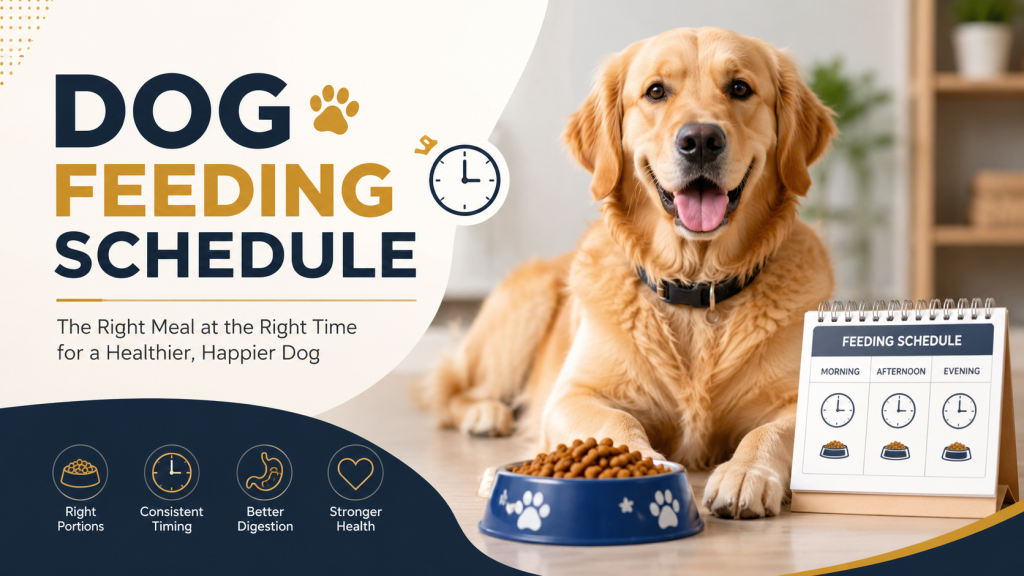
Establishing a consistent dog feeding schedule is one of the single most impactful choices you can make for your canine companion’s long-term health. However, figuring out how often and how much to feed your four-legged friend can quickly feel overwhelming. Because every dog is unique, a one-size-fits-all routine simply does not work.
In this comprehensive guide, we will break down everything you need to know about setting up a healthy, structured meal routine. From growing puppies to wise old seniors, you will learn how to pair dynamic timing with the best dog food options to keep your furry best friend thriving.
Why a Structured Dog Feeding Schedule Matters
Many pet parents wonder if free-feeding—leaving a bowl of kibble out all day—is acceptable. While it might seem convenient, expert veterinarians strongly advise against it for most dogs. Instead, implementing a timed routine offers several profound biological and behavioural benefits.
First, structured meal times support optimal digestive health. When dogs eat at regular intervals, their digestive tracts process nutrients far more efficiently. Consequently, this leads to predictable bowel movements, which makes house-training significantly easier.
Second, consistent routines help prevent canine obesity. According to the Association for Pet Obesity Prevention, over 50% of dogs in North America are overweight or obese. Free-feeding makes it nearly impossible to monitor calorie intake accurately. Conversely, a strict schedule ensures your dog consumes exactly what their body needs without overindulging.
Finally, regular meals provide emotional security. Dogs thrive on predictable daily patterns. Therefore, knowing exactly when their meals are coming lowers anxiety and curbs nuisance behaviours like begging or searching through kitchen trash cans.
Puppies: Early Stage Feeding Routines
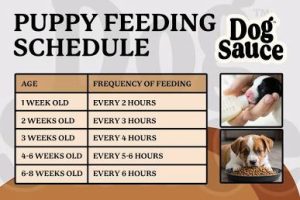
Puppies grow at a rapid rate, which means their metabolisms burn energy at high speeds. Because their stomachs are small, they cannot hold large quantities of food at once. Therefore, puppies require multiple small meals throughout the day to prevent low blood sugar levels.
Puppies Aged 8 to 12 Weeks
At this critical growth stage, young puppies need four small meals spaced evenly throughout the day. For example, a reliable timeline looks like this:
-
7:00 AM: Breakfast
-
11:30 AM: Lunch
-
4:00 PM: Mid-afternoon meal
-
8:00 PM: Dinner
During these early weeks, pair this routine with high-calorie puppy formulas. If you are unsure which formula suits your pup’s specific breed size, consult our detailed puppy nutrition guide for tailored recommendations.
Puppies Aged 3 to 6 Months
As your puppy reaches three months of age, their stomach capacity expands noticeably. Consequently, you can transition them from four meals down to three meals per day.
-
7:30 AM: Breakfast
-
1:00 PM: Lunch
-
6:30 PM: Dinner
At this point, keep monitoring their weight closely. While puppies should look lean, you should never see their ribs protruding prominently.
Puppies Aged 6 to 12 Months
By six months, most puppies can transition smoothly to two meals a day. However, giant breeds like Great Danes or Mastiffs may need to stay on three meals slightly longer since they continue growing well past their first birthday.
Adult Dogs: Maintaining Optimal Health
Once your dog reaches adult maturity (typically between 10 to 12 months for small/medium breeds, and 18 to 24 months for large breeds), their metabolic rate stabilises.

The Two-Meal Rule for Adults
For the vast majority of adult dogs, a twice-daily routine is ideal. Spacing meals approximately 10 to 12 hours apart prevents their stomachs from becoming empty for too long, which reduces acid buildup and morning bile vomiting.
-
7:00 AM: Morning meal
-
6:30 PM: Evening meal
Furthermore, combining a set dog feeding schedule with the best dog food tailored to your dog’s activity level ensures balanced fuel throughout their day. For extra tips on evaluating commercial kibble versus fresh diets, visit our adult pet wellness resource.
Daily Schedule Breakdown Table
To visualize how a typical day flows for an adult dog, review the balanced routine outlined below:
| Time | Activity | Goal |
| 7:00 AM | Morning Meal | Sustained energy for the day |
| 7:30 AM | Potty Break & Short Walk | Digestion stimulation |
| 12:00 PM | Midday Play/Hydration Check | Mental stimulation & fresh water |
| 6:00 PM | Evening Meal | Replenish daily calories |
| 6:30 PM | Evening Walk | Health & digestion |
| 9:30 PM | Final Potty Break | Nighttime comfort |
Senior Dogs: Adjusting for the Golden Years
When dogs enter their senior years—usually around age 7 for smaller breeds and age 5 for giant breeds—their bodies undergo significant metabolic changes. Their activity levels naturally slow down, and their digestive systems become somewhat less resilient.
Modifying Meal Times for Seniors
Although most seniors continue to do well on two meals a day, some benefit from shifting back to three smaller meals. This adjustment reduces strain on ageing digestive tracts and maintains steady energy levels.
Moreover, senior dogs often deal with reduced appetite or dental issues. Therefore, softening dry kibble with warm water or dog-safe bone broth makes meals easier to chew and much more enticing.
According to research from the American Veterinary Medical Association (AVMA), tailored nutrition combined with rigid routine management dramatically improves quality of life in senior pets.
How Much Should You Feed Your Dog?
Knowing when to feed your dog is only half the battle; knowing how much to feed is equally vital. Feeding portions depend heavily on four key factors:
-
Ideal Body Weight: Calculate portions based on what your dog should weigh, not necessarily what they currently weigh.
-
Activity Level: A working Border Collie burns vastly more calories than a sedentary lapdog.
-
Caloric Density: Different foods contain varying calorie counts per cup.
-
Life Stage: Growing pups require higher caloric density than aging seniors.
Important Note: Always refer to the daily feeding guidelines on your pet food bag as a starting baseline. However, treat these numbers as general guidelines rather than strict laws. Adjust portions up or down by 5-10% based on your dog’s body condition score.

Common Mealtime Mistakes to Avoid
Even well-intentioned dog owners frequently fall into common routine traps. Fortunately, avoiding these key mistakes will keep your pup happy and healthy:
-
Exercising Immediately After Meals: Never allow heavy running or intense play right after a meal. In large, deep-chested breeds, this can cause Gastric Dilation-Volvulus (GDV or “bloat”), which is a life-threatening emergency.
-
Inconsistent Timing: Feeding your dog at 6:00 AM one day and 11:00 AM the next throws off their internal clock, causing metabolic stress and digestive upset.
-
Overdoing Treats: Treats should never account for more than 10% of your dog’s total daily calorie intake. Excess treats disrupt your structured diet plans.
-
Abrupt Diet Changes: Switching foods overnight causes diarrhoea and stomach pain. Always transition over 7 to 10 days by mixing increasing amounts of new food into the old food.
Frequently Asked Questions
What if my dog refuses to eat on schedule?
If your dog leaves their bowl untouched, pick it up after 15 to 20 minutes and offer it again at their next scheduled meal time. Assuming they are healthy, this teaches them that food is not available indefinitely.
Is it okay to feed a dog once a day?
While some adult dogs can handle a single daily meal, two meals are generally far better for blood sugar stability and digestive comfort.
How does a dog feeding schedule help with potty training?
A predictable intake creates a predictable output. When food goes in at the same times every day, your dog will need to eliminate at reliable intervals, making crate training much smoother.
Final Thoughts
Adopting a structured routine transforms your dog’s health, behaviour, and emotional stability. By matching their life stage with steady meal times and high-quality nutrition, you build a strong foundation for years of joint happiness. Start refining your pet’s daily rhythm today, and watch their energy and vitality thrive!