
When summer heat takes over, a portable air conditioner can turn any room into a cool, comfortable space without the hassle of permanent installation. But with so many models, features, and sizes available, choosing the best portable air conditioner can feel overwhelming.
This guide will help you understand how to pick the right unit for your needs—covering everything from BTU capacity and energy efficiency to noise levels and smart features—so you can stay cool while saving on energy bills.
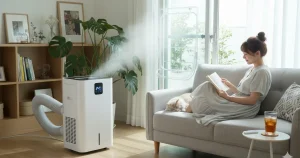
Understanding How Portable Air Conditioners Work
Before choosing a model, it’s important to understand how portable air conditioners operate and what makes them different from window or split AC systems.
At their core, portable ACs are self-contained cooling systems that remove heat and humidity from indoor air. They work in three main steps:
-
Air Intake: The unit draws in warm air from your room through an intake vent.
-
Cooling Process: The air passes over evaporator coils filled with a refrigerant. As the refrigerant absorbs heat, it turns into a gas and cools the air.
-
Exhaust: The refrigerant releases the absorbed heat through a condenser coil, and a fan pushes the hot air out through an exhaust hose, usually vented outside a window.
This cycle repeats continuously to maintain a stable temperature, giving you fast, efficient cooling wherever you need it.
Types of Portable Air Conditioners
Not all portable ACs work the same way. The cooling efficiency, setup, and airflow pattern depend largely on whether the unit is single-hose or dual-hose.
1. Single-Hose Portable Air Conditioner
A single-hose system uses one hose for both air intake and exhaust. It pulls warm air from inside the room, cools it, and releases the heat outside through the same hose.
Pros:
-
Easy to install and more affordable.
-
Compact design, ideal for smaller rooms or occasional use.
Cons:
-
Can create negative air pressure inside the room, drawing warm air from other areas (like hallways or windows).
-
Slightly less efficient in larger spaces or extended use.
This type is best for bedrooms, offices, or small apartments where quick cooling is needed without permanent installation.
2. Dual-Hose Portable Air Conditioner
A dual-hose portable air conditioner has two separate hoses—one pulls fresh air in from outside to cool the condenser, while the other expels hot air out.
Pros:
-
Cools rooms faster and more efficiently.
-
No negative pressure—maintains consistent indoor temperature.
-
Suitable for larger areas or long-duration use.
Cons:
-
Slightly higher cost and takes up more space.
-
Installation may require more window space or a dual-hose kit.
For those living in warmer climates or cooling open living areas, a dual-hose unit is usually the better investment.
Evaporative and Ventless Portable AC Options
Some models, especially ventless portable air coolers or evaporative coolers, don’t use refrigerant. Instead, they pass air through moist pads, cooling it through water evaporation. While energy-efficient, they work best in dry climates and don’t lower humidity levels significantly.
Understanding Energy Efficiency in Portable ACs
Portable air conditioners are rated by EER (Energy Efficiency Ratio) or CEER (Combined Energy Efficiency Ratio). A higher number means better energy performance. Models with inverter compressors and eco-friendly refrigerants (like R32) provide stable cooling while consuming less electricity—ideal for year-round comfort.
Step 1: Measure Your Room Size and Match the BTU Rating
One of the most common mistakes buyers make is choosing a portable air conditioner that’s too small—or too large—for their room. Each unit is rated by BTU (British Thermal Units), which measures cooling power.
Here’s a quick reference:
| Room Size | Recommended BTU | Example Use |
|---|---|---|
| Up to 200 sq. ft. | 8,000 BTU | Small bedroom or office |
| 200–400 sq. ft. | 10,000–12,000 BTU | Living room or mid-size area |
| 400–600 sq. ft. | 14,000–16,000 BTU | Large living room or studio |
| Over 600 sq. ft. | 18,000 BTU+ | Large open areas |
Choosing the right BTU ensures optimal cooling efficiency without wasting power.
If you’re shopping for specific spaces, consider reading our guide on [Best Portable AC for Small and Large Rooms] to understand how capacity affects performance.
Step 2: Choose the Right Type of Portable Air Conditioner
Not all portable ACs are built the same. Depending on your living space, ventilation options, and cooling needs, one type may suit you better than another.
a) Single-Hose vs. Dual-Hose
-
Single-hose units are compact and affordable—great for smaller rooms.
-
Dual-hose units cool faster and are more energy-efficient for large areas.
b) Evaporative or Ventless Models
If venting is difficult in your room, evaporative coolers (swamp coolers) can be a good alternative. They use water instead of refrigerant and are ideal for dry climates.
c) Smart Portable ACs
Modern units come with Wi-Fi connectivity, voice control, and app-based monitoring, letting you adjust temperature from anywhere.
Step 3: Check Energy Efficiency Ratings
Cooling your home shouldn’t mean skyrocketing energy bills. Look for models with high EER (Energy Efficiency Ratio) or Energy Star certification.
Tips for energy-efficient cooling:
-
Choose inverter models that adjust compressor speed automatically.
-
Close doors and windows when running your AC.
-
Use a timer or sleep mode to reduce power at night.
Some advanced models also feature eco-friendly refrigerants (R32 or R410A) that cool efficiently while being gentler on the environment.
Step 4: Noise Level and Comfort Features
If you plan to use your AC in a bedroom, nursery, or office, noise level becomes a big consideration.
-
Quiet portable ACs typically operate below 55 decibels.
-
Dual-hose models often produce less noise due to smoother airflow.
Comfort also depends on airflow direction, oscillation features, and adjustable thermostats. When comparing models, look for sleep mode, fan-only mode, and auto-evaporation systems for hassle-free operation.
Step 5: Essential Features to Look For
Modern portable air conditioners come packed with features. Understanding them helps you make a smarter choice.
Must-have features include:
-
Remote control or app access: adjust temperature conveniently.
-
Dehumidifier mode: perfect for humid climates, removes excess moisture.
-
Auto-restart: resumes operation after power outages.
-
Washable filters: saves money and keeps air clean.
-
Self-evaporating system: reduces the need to manually drain water.
-
Caster wheels & handles: for easy mobility between rooms.
If you want more detailed upkeep advice, check our [Portable Air Conditioner Maintenance & Cleaning] guide to keep your device performing like new.
Step 6: Installation & Maintenance Tips
Installation is generally simple, but there are a few things you should know before setting up your unit.
Proper Venting
Every portable AC needs to vent hot air outdoors—usually through a window kit included in the box. For sliding or casement windows, you can use an adjustable panel or custom vent adapter.
Drainage
Some models feature auto-evaporation, meaning they reuse moisture for cooling and release less water. Others require periodic draining through a tube or internal tank.
Maintenance
Regular maintenance ensures efficiency and air quality:
-
Clean filters every two weeks.
-
Check vent hoses for leaks or blockages.
-
Store the unit properly during winter months.
Common Mistakes to Avoid When Buying a Portable AC
Even the best model won’t perform well if you overlook the basics. Avoid these common pitfalls:
-
Ignoring BTU ratings – An undersized unit won’t cool efficiently.
-
Skipping venting requirements – Always check if your window setup supports exhaust.
-
Overlooking noise levels – High noise can ruin comfort, especially at night.
-
Neglecting maintenance – Dirty filters reduce cooling efficiency.
-
Buying based on appearance only – Focus on performance and reliability.
By avoiding these mistakes, you’ll ensure your investment pays off for years.
Health & Comfort Benefits of Portable Air Conditioners
Portable air conditioners do far more than just lower room temperature — they play an important role in improving indoor air quality, reducing humidity, and creating a healthier, more comfortable living environment. Whether you live in a humid climate, have allergies, or share your space with pets, the right portable AC can make a real difference in how you feel day to day.
1. Regulates Humidity Levels for Better Health
High indoor humidity can make the air feel heavy and uncomfortable. It also creates an ideal environment for mold, mildew, and dust mites, which can trigger allergies or respiratory issues.
Most modern portable air conditioners include a built-in dehumidifier function that removes excess moisture while cooling the air. Maintaining indoor humidity between 40%–50% helps:
-
Prevent mold growth and damp smells
-
Reduce allergic reactions
-
Keep furniture, books, and electronics safe from moisture damage
-
Create a fresher, more breathable indoor atmosphere
If you live in coastal or tropical areas, choosing a portable AC with dehumidifier mode offers year-round comfort and protection for your home.
2. Filters Out Dust, Allergens, and Pet Dander
Many portable air conditioners come with multi-stage filtration systems, including HEPA filters, activated carbon filters, or washable pre-filters. These systems capture airborne pollutants such as:
-
Dust and pollen
-
Pet hair and dander
-
Smoke particles
-
Volatile Organic Compounds (VOCs)
-
Odors from cooking or pets
Cleaner air means fewer triggers for asthma and allergy sufferers, especially when used alongside a dedicated air purifier.
3. Reduces Heat Stress and Improves Sleep Quality
Excessive indoor heat can lead to fatigue, dehydration, and difficulty sleeping. Portable air conditioners help maintain a comfortable temperature, usually between 22°C and 25°C (72°F–77°F) — the ideal range for restful sleep and stable body temperature.
Models featuring sleep mode or auto temperature control gradually adjust cooling at night, preventing the air from becoming too cold or dry. This ensures uninterrupted rest and better recovery after long, hot days.
4. Supports Respiratory Health
Breathing in warm, humid air can irritate the lungs, especially for those with asthma or chronic respiratory conditions. A portable AC cools and dries the air, helping to reduce congestion and ease breathing.
Units equipped with ionizer or air-purifying filters can even neutralize bacteria and microscopic pollutants, providing an added layer of protection for sensitive users, children, and older adults.
5. Helps Maintain Overall Home Comfort
Portable air conditioners contribute to a more balanced and comfortable indoor environment by:
-
Maintaining consistent room temperature
-
Reducing stickiness caused by humidity
-
Keeping odors under control through filtration
-
Circulating fresh, cool air across closed spaces
Some smart portable ACs even monitor air quality and temperature in real time, automatically adjusting cooling and fan speed to maintain ideal comfort levels.
FAQs: What People Also Ask About Portable Air Conditioners
Q1. How do I know what size portable AC I need?
Measure your room and match the BTU rating accordingly. For example, a 300 sq. ft. room typically needs around 10,000–12,000 BTU.
Q2. Can I use a portable air conditioner without a window?
You can, but you’ll need an alternative exhaust option like a sliding door or vent hole.
Q3. Are dual-hose portable air conditioners better?
Yes—dual-hose models cool faster and more efficiently, especially in large spaces.
Q4. How much electricity does a portable AC use?
A standard 10,000 BTU model uses about 1,000 watts per hour. Choosing an inverter model can reduce energy use by up to 30%.
Q5. Do portable air conditioners also dehumidify?
Most models include a built-in dehumidifier mode that removes moisture from the air while cooling.