
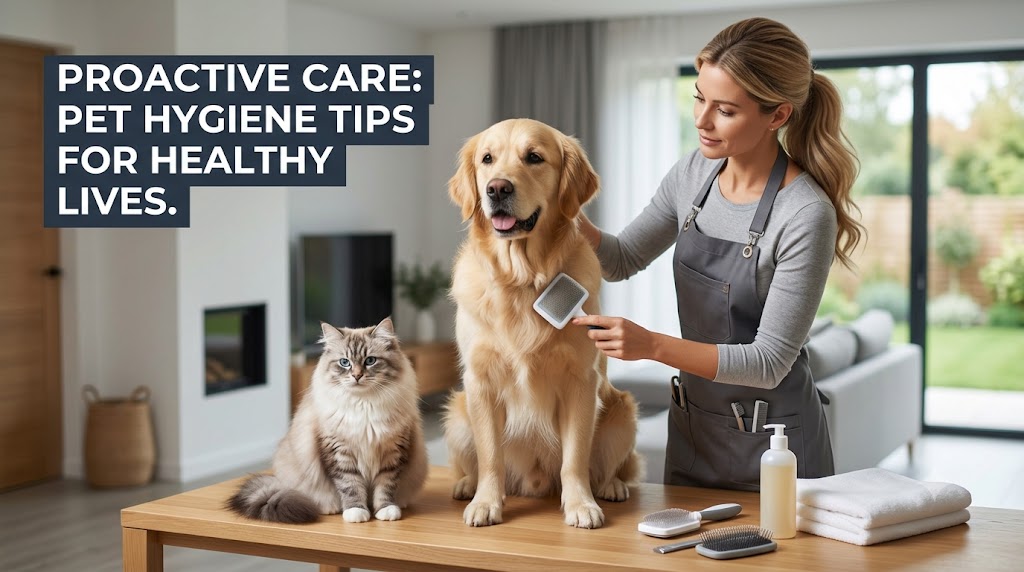
Caring for a companion animal requires constant love, attention, and regular upkeep. As a dedicated pet parent, you quickly realise that keeping your companion clean is not merely about aesthetic appeal; rather, it is a vital component of their overall physical and emotional health. Taking time to maintain your pet’s fur, skin, claws, and teeth prevents uncomfortable medical issues while building a strong bond between you and your animal. Therefore, following a detailed pet grooming guide can transform what often feels like a messy chore into an enjoyable, rewarding bonding routine.
Many pet owners feel intimidated by the thought of trimming claws, brushing dense double coats, or cleaning sensitive ears at home. Fortunately, routine hygiene does not have to be stressful for you or your four-legged companion. By using the right tools, staying consistent, and understanding your animal’s unique structural needs, you can master professional-level care in the comfort of your own living room.
Why Every Owner Needs a Reliable Pet Grooming Guide
Regular care goes far beyond keeping your house free of stray animal hair. Furthermore, routine physical maintenance allows you to check your animal for early signs of skin conditions, parasites, lumps, or hidden injuries that might otherwise go unnoticed. When you establish a consistent routine, you actively protect your companion’s physical well-being.
| Benefit | How It Helps Your Pet |
| Early Detection | Spot ticks, fleas, bumps, and skin infections before they worsen |
| Pain Prevention | Prevent painful coat matting and overgrown, split claws |
| Bond Building | Build mutual trust and confidence through calm physical touch |
| Cost Savings | Reduce the need for expensive, high-frequency emergency salon visits |
In addition, physical upkeep works hand-in-hand with internal wellness. For example, feeding your companion the best dog food directly impacts their coat quality, reducing excessive shedding and skin dryness. Combining proper nutrition with external hygiene ensures your pet stays vibrant and healthy for years to come.

Essential Tools for Your At-Home Care Kit
Before embarking on your grooming journey, gathering the right equipment is essential. Using incorrect tools can cause discomfort or accidentally harm your pet’s sensitive skin. Consequently, investing in high-quality, pet-safe instruments makes the entire procedure smoother and far more enjoyable.
Must-Have Brushes and Combs
Different coat textures require distinct grooming tools. For instance, short-haired breeds benefit from rubber curry brushes, whereas long-haired or double-coated animals require specialised de-shedding implements and slicker brushes.
-
Slicker Brushes: These feature fine wire bristles that remove mats, tangles, and loose undercoat fibres. They work wonderfully for medium-to-long-haired breeds.
-
Rubber Curry Brushes: Ideal for short-coated dogs and cats, these tools remove dead hair while stimulating healthy blood circulation across the skin.
-
Undercoat Rakes: Specifically designed for thick double coats, rakes pull out loose undercoat fur without damaging the topcoat layer.
-
Stainless Steel Combs: Perfect for finishing work and checking for hidden knots near sensitive areas like ears and thighs.
Bathing and Hygiene Essentials for Pet Grooming Guide
Always choose products formulated specifically for your companion’s natural pH level. Human shampoos are significantly too acidic for pet skin and can quickly lead to severe dryness, itching, and irritation.
-
Hypoallergenic Pet Shampoo: Gentle formulas preserve natural oils while washing away dirt and debris.
-
Moisturising Conditioner: Recommended for long-haired animals to soften the coat and prevent future matting.
-
Absorbent Microfiber Towels: These absorb moisture rapidly, drastically reducing drying time.
-
Nail Clippers or Rotary Grinders: Essential for maintaining healthy claw length without splitting the nail bed.
Mastering the Brushing Routine
Brushing is undeniably the cornerstone of effective coat maintenance. In fact, a thorough brushing session removes loose fur, prevents painful matting, and evenly distributes natural skin oils across the entire coat.

Tailoring Your Approach to Coat Types
Every coat type demands a tailored technique. Understanding your pet’s specific coat category ensures you provide the safest and most effective care possible.
-
Short Coats: Brush once or twice a week using a soft bristle or rubber curry brush. Move in smooth, sweeping strokes in the direction of hair growth.
-
Medium to Long Coats: Brush three to four times a week with a slicker brush. Work in manageable sections, starting from the skin level outward to prevent hidden knots beneath the surface.
-
Double Coats: During peak seasonal shedding, brush daily using an undercoat rake. This removes trapped, dead fur before it forms dense, painful mats.
-
Curly or Wire Coats: Require daily combing and slicker brushing to prevent tight tangles near the skin.
Furthermore, integrating brushing sessions into your overall dog lifestyle routine creates a comforting predictability that helps anxious animals feel calm and secure.
Bathing Your Companion Without the Stress
Bathing can sometimes feel chaotic, but with adequate preparation, it becomes a peaceful, routine task. Follow this practical pet grooming guide process to ensure bath time runs smoothly every single time.
Step 1: Pre-Bath Preparation
Always brush your pet thoroughly before introducing water. Water tightens existing mats, making them nearly impossible to remove afterwards. Additionally, gather all towels, shampoos, and treats within arm’s reach before turning on the water.
Step 2: Setting the Water Temperature
Check the water temperature carefully using your inner wrist. Water should feel comfortably lukewarm—never hot or ice-cold. High temperatures can burn delicate pet skin, whereas cold water creates anxiety and shivering.
Step 3: Lathering and Rinsing
Wet your pet’s body starting from the neck down, avoiding direct contact with the eyes and ears. Apply shampoo and gently massage it into the fur until it lathers nicely. Subsequently, rinse thoroughly with fresh water until no soap residue remains. Leaving shampoo in the coat often causes intense itching and skin inflammation later on.
Safety Tip: Place a non-slip rubber mat inside your bathtub or basin. Having firm traction stops pets from slipping, significantly lowering their panic level during baths.
For authoritative guidelines on pet skin health and bathing frequency, consult resources provided by the American Kennel Club (AKC).
Ear, Eye, and Dental Care Basics
A comprehensive physical maintenance routine involves far more than simply washing fur; delicate sensory organs require equal attention and care.
Ear Cleaning
Warm, moist ear canals create an ideal environment for bacteria and yeast growth. Consequently, regular cleaning is vital, especially for breeds with floppy ears.
-
Squeeze a pet-safe ear cleaning solution onto a cotton ball.
-
Gently wipe the outer ear flap and accessible inner ear folds.
-
Never insert cotton swabs directly into the ear canal, as this can puncture the eardrum or force debris deeper inside.
Eye Care
Wipe away accumulated eye discharge daily using a soft, damp cloth. Always wipe away from the inner corner of the eye to prevent spreading bacteria across the cornea.
Dental Hygiene
Periodontal disease is extremely common among adult dogs and cats. Fortunately, brushing your pet’s teeth with a pet-safe toothpaste two to three times per week keeps plaque and tartar under control. Never use human toothpaste, as ingredients like xylitol are highly toxic to animals.
Safe Nail Trimming Techniques
Trimming claws often raises anxiety for owners due to the risk of cutting the “quick”—the internal blood vessel inside the claw. However, with patience and proper instruction, nail maintenance can become straightforward and stress-free.
Identifying the Quick
In light-colored nails, the quick appears as a distinct pink section in the centre of the claw. In dark nails, the quick is hidden, meaning you must proceed slowly in tiny increments.
Here is that ASCII block converted into a clean, easy-to-read Markdown table:
| Anatomy Section | Target Action | Safety Guidelines |
| Claw Outer Shell | Clip only the thin, curved tip | Safe to trim in small, gradual slivers |
| The Quick (Pink Area) | DO NOT CUT | Contains sensitive nerves and blood vessels |
Crucial Safety Note: Always keep styptic powder within arm’s reach before trimming to stop accidental bleeding instantly.
How to Trim Safely
-
Hold the paw firmly but gently.
-
Position the clipper at a 45-degree angle near the tip of the claw.
-
Trim small slivers off the end rather than taking off large sections at once.
-
Stop immediately if you notice a small dark dot in the centre of the freshly cut nail face—this indicates you are near the quick.
If an accident occurs and a nail bleeds, apply styptic powder with direct pressure for thirty seconds to stop the bleeding instantly. For additional welfare advice regarding nail care, review safety recommendations from the ASPCA Pet Care organisation.
Nutrition and Coat Health: The Internal Factor
While external brushing and bathing are essential, coat brilliance originates from inside the body. In fact, improper feeding routines frequently manifest as dry, brittle fur, flaking skin, and heavy hair loss.
Correct balance in your pet’s dietary intake ensures strong hair follicles and optimal skin hydration. Therefore, understanding proper dog feeding principles is just as critical as selecting high-grade brushes.
| Nutrient Type | Primary Source | Benefit to Coat & Skin |
| Omega-3 Fatty Acids | Salmon oil, flaxseed | Reduces inflammation and restores shine |
| Omega-6 Fatty Acids | Poultry fat, sunflower oil | Prevents dry, flaky skin and moisture loss |
| Quality Proteins | Real meat, poultry, fish | Builds strong hair keratin structures |
| Zinc & Biotin | Whole grains, eggs | Supports cellular repair and prevents hair shedding |
Overcoming Grooming Anxiety in Pets
It is perfectly normal for pets to display caution when introduced to new tools, noises, or physical sensations. Nevertheless, with desensitisation techniques and positive reinforcement, any animal can learn to enjoy their care sessions.

Step-by-Step Desensitization
-
Introduce Tools Gradually: Allow your companion to sniff brushes, clippers, and towels while offering high-value treats.
-
Touch Handling: Frequently touch your pet’s paws, ears, and tail during peaceful cuddle time so they get used to being handled gently.
-
Keep Sessions Short: Start with short 2-minute sessions, gradually increasing duration as your pet remains relaxed.
-
Reward Success: Always end every session on a high note with praise, play, or a delicious reward.
Summary Checklist for At-Home Pet Care
To keep your care routine structured and manageable throughout the month, follow this quick reference summary:
-
Daily: Brush teeth, wipe eye corners, and perform quick visual skin checks.
-
Weekly: Thoroughly brush the coat, check and clean ears, and inspect paw pads.
-
Monthly: Bathing (or as needed), nail trimming, and checking claw length.
By applying this structured pet grooming guide, you empower yourself to deliver compassionate, professional-grade maintenance that keeps your companion healthy, clean, and happy throughout every stage of life.