
A small freezer for home can quietly change how you shop, cook, and store food. It adds valuable extra space that makes daily life simpler and more organized. Whether you live in a small apartment, have a busy family kitchen, or want to keep frozen meals ready for the week, a compact freezer brings real convenience. It helps you plan ahead, buy in bulk, and reduce food waste. You can store meats, vegetables, snacks, or even homemade meals without worrying about space in your main refrigerator. In this guide, I’ll share practical tips on how to choose, use, and maintain one effectively, so you can make a confident choice that suits your home and lifestyle. For more compact and efficient options, explore the Best Small Upright Freezer.
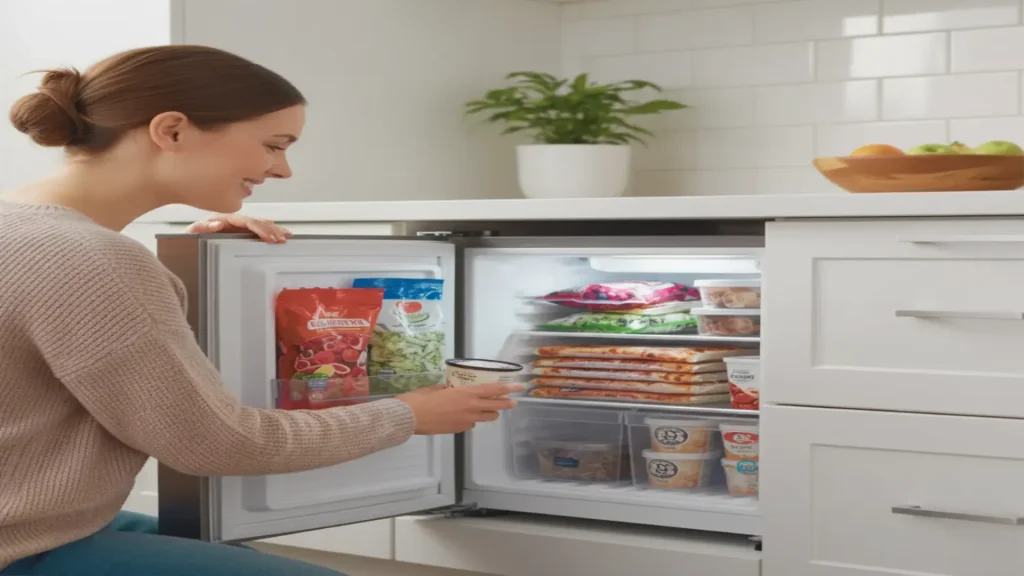
Why I Think a Compact Freezer Is Worth It
When I got my first mini freezer, I was tired of “freezer Tetris” every time I came home from the store. If you’ve ever tried balancing a frozen pizza on top of ice cream while squeezing in chicken wings, you know what I mean.
This little appliance gave me three major benefits:
- Breathing room for bulk buys. With extra freezer space, I could finally take advantage of grocery sales without worrying about where to stash frozen food. Buying in bulk became practical I could stock up on meat, vegetables, and ready-to-eat meals for weeks. It’s surprisingly freeing to know there’s always room for those extra items you used to skip.
- Less stress in the kitchen. No more avalanche of frozen peas tumbling out every time I open the freezer door. With dedicated space and better organization, I can actually see what I have and plan meals faster. It keeps my kitchen calmer, cleaner, and far less chaotic during busy cooking days.
- Better meal planning. Having a compact freezer has completely changed how I organize my meals. I now cook dinners for the entire week, portion them out, and store them neatly for easy access. When life gets busy, I simply pull out a homemade meal—no stress, no last-minute cooking chaos.
And here’s the bonus: these units generally sip electricity compared to larger models. Mine barely moved the needle on my power bill.
Types of Compact Freezers
Not all units are built the same, and I quickly learned that shape and layout matter a lot. Here’s what I found:
1. Upright Models
- Look like a mini fridge and tuck neatly into corners
- Easy-to-reach shelves make organization simple
- Usually cost a little more than other types
2. Chest Units
- Give the most space for the money
- Ideal for storing bulky items (yes, even that party-size ice cream tub)
- Downside: you’ll be bending over a lot, and digging to the bottom is basically an arm workout
3. Drawer & Portable Options
- Perfect for tight kitchens, RVs, or dorm setups
- Lightweight and can be moved if needed
- Smaller capacity — good as a secondary storage option
Quick Pros and Cons Table
| Type | Pros | Cons |
| Upright | Easy to organize, takes less floor space | Slightly pricier |
| Chest | Most capacity per dollar, great for bulk storage | Harder to access items at the bottom |
| Drawer/Portable | Compact and mobile | Smallest storage, usually cost more per cubic foot |
Features That Actually Matter
When shopping, I noticed that some features sound fancy but don’t really help. Here’s what made the most difference for me:
- Capacity & Dimensions: Measure your available space carefully and leave at least an inch around it for airflow.
- Energy Efficiency: Look for the Energy Star label. It helps keep your monthly costs lower.
- Defrost System: Manual defrost saves money upfront but takes a little work. Frost-free saves time (and your back).
- Thermostat Control: An adjustable setting is a must.
- Noise Level: If you’re placing it near your office or bedroom, check reviews for quiet operation.
My Recommended Picks
I’m not sponsored, but I’ve tested and compared a few models I can personally vouch for:
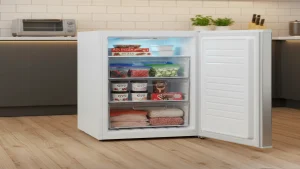 Model: Perfect for couples or small households. An upright freezer in the 3–5 cubic feet range is an excellent choice if you have limited space but still want enough room to store weekly groceries or meal-prep batches. Its vertical design makes organizing easy, so you can quickly find what you need without digging around. Ideal for couples, singles, or small households, it keeps food visible, accessible, and neatly arranged while using minimal floor space.
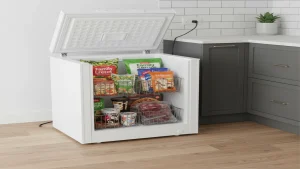
- 5–7 cu ft Compact Chest Model: A sweet spot for families that stock up on meat or frozen vegetables. A chest freezer in the 5–7 cubic feet range is perfect for families that like to buy groceries in bulk or stock up on meat, frozen vegetables, and other essentials. Its wide, deep design offers generous storage for large or oddly shaped items, making it easy to keep everything organized with dividers or baskets. While you’ll need to bend down to access food, the extra capacity and energy efficiency make it a practical and cost-saving choice.
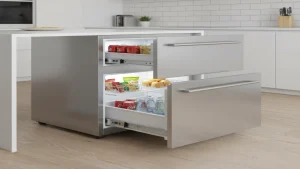 Portable Drawer Unit: Great for road trips, dorm rooms, or as a backup freezer. A portable drawer freezer is a versatile option for road trips, dorm rooms, RVs, or even as a backup freezer at home. Its compact size makes it easy to move, and many models can run on standard outlets or even car adapters. While capacity is limited, it’s perfect for keeping drinks, snacks, or a few frozen essentials close at hand wherever you are.
Tip: Compare prices across multiple retailers. Many offer free delivery and even haul-away for old appliances, which saves you time and effort. For pricing guidance and to see what’s reasonable, consider checking this resource on Double Door Fridge Price.
Where to Put It (and Keep It Happy)
Placement is more important than most people think. I once made the mistake of jamming mine into a corner with no clearance — and it ran hot. Here’s what works:
- Flat Surface: Keep it level to prevent door issues.
- Air Space: Leave at least an inch on each side for circulation.
- Coil Cleaning: Do this twice a year for better efficiency.
- Avoid Overstuffing: Airflow keeps the temperature stable.
- Defrost on Time: If you don’t have an auto-defrost model, schedule a reminder.
Budget & Cost-Saving Tips
Many people ask me if owning an extra freezer is worth the money. Here’s how I think about it:
- Initial Price: Small models range from $150 to $400.
- Energy Cost: Expect $3–$6 a month, depending on efficiency.
- Food Savings: I save more than that by buying meat and produce in bulk.
If you’re really on a budget, consider checking used appliance shops — some offer warranties and delivery.
Extra Tips for Real-Life Use
Here are a few small hacks I’ve picked up:
- Use stackable bins to keep similar items together.
- Label everything with a date — mystery meat from 2022 is not a fun surprise.
- Keep a running inventory list on your phone to avoid buying duplicates.
- Rotate older items to the top when adding new ones.
Common Questions Answered
- How much space do two people need?
About 3–5 cubic feet is usually perfect for a couple or small household that shops weekly. It provides enough room for frozen meals, meat, and snacks without taking up too much floor space. - Can I keep it in the garage?
Yes, but make sure the freezer is garage-rated or designed for extreme temperatures. Some models may struggle to maintain proper cooling if your garage gets too hot in summer or very cold in winter. - Will it raise my electricity bill a lot?
Not significantly. A small freezer typically costs around $3–$5 per month to run, depending on energy efficiency and usage—similar to keeping a small light bulb on continuously. - How often should I defrost it?
If your model isn’t frost-free, aim to defrost it every 3–6 months or whenever you see ice buildup thicker than a quarter inch. Regular defrosting keeps performance strong and energy use low. - Can I move it after it’s been running?
It’s best to unplug the freezer and let it sit upright for several hours before moving. This allows refrigerant fluids to settle and prevents compressor damage. - What’s the best temperature setting for frozen food?
Keep it at 0°F (-18°C) for ideal long-term food preservation. Many compact models have adjustable thermostats, so check occasionally with a thermometer to ensure it’s staying consistent. - How long does a small freezer last?
With proper care—like regular cleaning, defrosting, and avoiding overloading—most small freezers last 10 to 15 years. Choosing a reliable brand with a good warranty can extend its lifespan even further.
My Final Thoughts
After a couple of years of using mine, I can confidently say this little appliance has paid for itself many times over. No more wasted food, no more last-minute grocery runs because I ran out of frozen veggies, and definitely no more wrestling with an overstuffed refrigerator. A small freezer for home doesn’t just add storage—it brings real convenience and flexibility to everyday life. I’ve found it especially useful for meal prep, storing seasonal produce, and keeping favorite snacks ready to go. It also helps reduce food waste and saves money in the long run by letting you buy in bulk when prices are low. If you value a smoother kitchen routine, better organization, and fewer shopping headaches, a compact freezer is easily one of the smartest and most practical upgrades you can make this year.
Ready to Find Yours?
If this guide helped you see how much easier life can be with a small freezer for home, take the next step—compare a few models that fit your space and lifestyle. Whether you buy online or in-store, invest in one that suits your needs. Your kitchen (and your sanity) will thank you.