

Every pet owner wants their four-legged companion to live a long, energetic, and happy life. However, navigating the pet food aisle today feels more complicated than ever before. With thousands of bags stacking store shelves and clever marketing labels promising miracles, finding the best dog food can feel overwhelming for even the most dedicated pet parent.
Nutrition directly impacts your dog’s daily energy levels, coat shine, digestive health, and long-term lifespan. Furthermore, a dog’s dietary requirements shift significantly as they grow from playful puppies into dignified seniors. In this comprehensive guide, we will break down the science of canine nutrition, review the top-rated pet food brands across multiple categories, and give you actionable tips to choose the right diet for your dog.
Nutritional Needs for Best Dog Food Brands
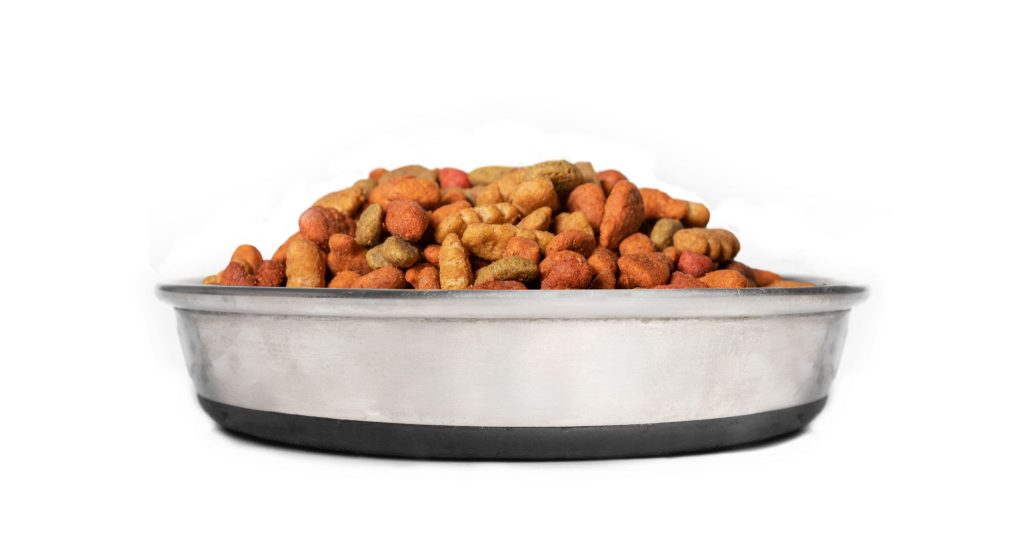
Before diving into specific brand recommendations, it is crucial to understand what makes a dog food formula nutritionally complete and balanced. Dogs are facultative carnivores, which means that while meat forms the core of their diet, they can also digest and benefit from healthy grains, vegetables, and fruits.
Consequently, a balanced diet must deliver six essential nutrient groups every single day:
-
Proteins: The primary building blocks for muscle tissue, organs, and immune function. Look for identified animal protein sources like whole chicken, beef, lamb, or salmon at the top of the ingredient deck.
-
Fats: Provide concentrated energy and support brain function, cell structure, and skin health. Omega-3 and Omega-6 fatty acids are particularly vital for maintaining a shiny, flake-free coat.
-
Carbohydrates: Supply easily accessible energy and valuable dietary fibre. Highly digestible carbs like sweet potatoes, brown rice, oatmeal, and barley keep your dog’s digestive tract running smoothly.
-
Vitamins: Essential organic compounds (such as Vitamins A, B-complex, D, E, and K) that regulate metabolism, immune response, and bone growth.
-
Minerals: Inorganic nutrients like calcium, phosphorus, zinc, and iron that build strong bones, teeth, and nerve cellular pathways.
-
Water: The most critical nutrient of all. Fresh water must always be available regardless of the food format you choose.
To verify that a brand meets these standards, check the packaging for a statement from the Association of American Feed Control Officials (AAFCO). An AAFCO adequacy statement confirms that the food provides complete and balanced nutrition for a specific life stage.
How to Choose the Best Dog Food for Your Pup
Selecting the ideal formula requires matching the food’s profile to your individual dog’s lifestyle and physical needs. For instance, a high-energy Border Collie working on a farm needs a vastly different calorie density than a relaxed French Bulldog living in a city apartment.
When evaluating options on store shelves, keep these core factors in mind:
1. Life Stage and Size
Puppies grow rapidly and require higher protein levels, elevated fat ratios, and balanced calcium-to-phosphorus ratios to support bone development. Conversely, adult dogs need balanced maintenance formulas, whereas senior dogs benefit from lower-calorie options rich in glucosamine and chondroitin. Additionally, large-breed and small-breed dogs have distinct kibble size and metabolic needs. If you are raising a young pup, review our detailed puppy feeding chart and timeline to track exact meal portions.
2. Ingredient Quality vs. Marketing Hype
Phrases like “gourmet,” “human-grade,” or “premium” on food packaging are often unregulated marketing terms. Instead of relying on buzzwords, read the ingredient list carefully. The first three ingredients should ideally be whole meats or meal preparations (e.g., chicken meal), which provide dense, concentrated protein.
3. Special Health Considerations
If your dog suffers from soft stools, frequent itching, or dull fur, food sensitivities might be the culprit. In such cases, limited-ingredient diets (LID) or novel protein sources—such as venison, bison, or duck—can alleviate uncomfortable symptoms.

Top Dry Kibble Brands: Convenience Meets Complete Science
Dry kibble remains the most popular choice among dog owners worldwide due to its affordability, long shelf life, and ease of storage. Furthermore, crunchy kibble helps reduce plaque buildup on your dog’s teeth through mechanical scraping.
1. Royal Canin
Royal Canin stands out because its formulas are created by a team of veterinary nutritionists and scientists. Rather than following human food trends, Royal Canin focuses on precise nutrient profiles tailored to specific breeds, body sizes, and medical conditions. Veterinary professionals frequently prescribe Royal Canin, recommending it as a top choice when looking for the best dog food for specific genetic traits.
-
Key Features: Breed-specific kibble shapes, precise nutrient ratios, extensively tested safety standards.
-
Best For: Dogs with breed-specific sensitivities or medical requirements.
2. Hill’s Science Diet
Backed by hundreds of veterinarians and animal nutrition specialists, Hill’s Science Diet focuses on biology-based nutrition. Their formulas utilise high-quality proteins alongside natural ingredients, enriched with antioxidants to support immune health. Moreover, their Science Diet line offers tailored solutions for weight management, sensitive stomachs, and mobility support.
-
Key Features: Clinically proven antioxidants, precise calorie control, high digestibility.
-
Best For: Adult and senior dogs needing targeted wellness support.
3. Orijen & Acana (Champion Petfoods)
For pet parents seeking biologically appropriate, protein-heavy dry food, Orijen and Acana lead the industry. These formulas incorporate up to 85% animal ingredients, using fresh or raw meat, organs, and cartilage. As a result, they mirror the evolutionary diet of wild canines while keeping artificial additives out of the bowl.
-
Key Features: High meat content, whole-prey ratios, grain-inclusive and grain-free lines.
-
Best For: Active, high-energy working dogs and active breeds.
Fresh and Human-Grade Dog Food Brands
In recent years, fresh dog food subscription services have revolutionised pet nutrition. These meals are cooked at low temperatures to preserve vitamins and minerals, then frozen and delivered straight to your doorstep. Consequently, many pet parents now consider fresh options to be the best dog food available today.
| Brand | Primary Meat Sources | Meal Format | Best Feature |
| The Farmer’s Dog | Beef, Turkey, Pork, Chicken | Gently cooked fresh portions | Pre-portioned custom meal plans based on weight goals |
| Ollie | Lamb, Beef, Chicken, Turkey | Fresh cooked & baked kibble blends | High moisture content and minimal processing |
| JustFoodForDogs | Fish, Venison, Chicken, Beef | Frozen fresh & pantry-fresh options | Formulated by veterinary dermatologists and nutritionists |
| Nom Nom | Turkey, Beef, Pork, Chicken | Single-portion fresh pouches | Formulated with targeted prebiotics for gut health |
Benefits of Fresh Food Diets
Transitioning your dog to a fresh food diet often produces noticeable physical improvements within weeks. Pet owners frequently report:
-
Improved Digestion: Real whole foods yield smaller, firmer, and less odorous stools.
-
Healthier Skin and Coat: Rich natural oils enhance coat glossiness and soothe dry skin.
-
Enhanced Palatability: Picky eaters who refuse standard kibble usually devour gently cooked fresh meals with enthusiasm.
However, fresh pet food comes at a higher price point than traditional dry kibble. Therefore, mixing fresh food as a topper on quality kibble offers a budget-friendly compromise that still boosts overall nutrient intake.
Exploring Alternative Diets for Best Dog Food Brands
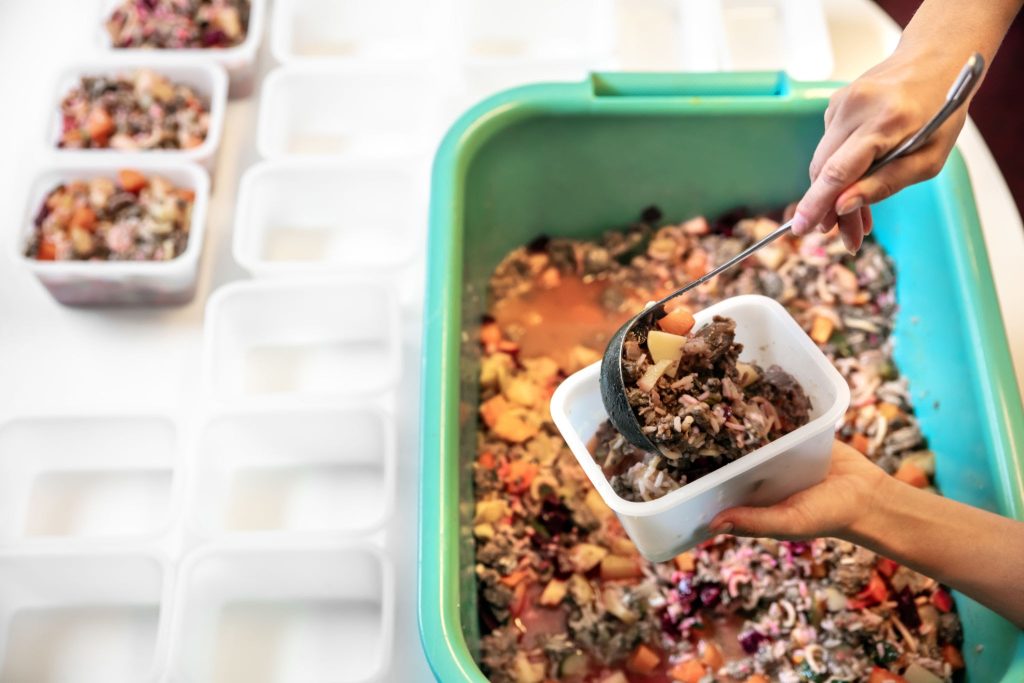
Beyond traditional dry kibble and fresh cooked meals, alternative feeding models have gained massive popularity among dedicated dog owners. Two prominent styles dominate this space: raw diets and freeze-dried raw formulas.
The Raw Food Movement (BARF)
The Biologically Appropriate Raw Food (BARF) approach consists of raw muscle meats, organ meats, crushed bones, and dog-safe vegetables. Proponents argue that raw feeding mimics what wild canines ate for millennia, promoting cleaner teeth and optimal muscle development.
Nevertheless, raw feeding requires extreme caution regarding bacterial contamination and precise balance. If you are curious about this approach, explore our in-depth guide to raw dog food diets to weigh the health benefits against the preparation demands. Additionally, consult guidelines from the American Veterinary Medical Association (AVMA) regarding raw food handling safety.
Freeze-Dried Raw Options
If you want the nutritional advantages of raw meat without handling raw poultry or beef every morning, freeze-dried raw formulas offer the perfect middle ground. Brands like Stella & Chewy’s, Primal, and Open Farm remove moisture from raw ingredients without applying harsh heat.
-
Convenience: Shelf-stable packaged food that stores easily in your pantry.
-
Simple Serving: Simply add warm water to rehydrate the food within minutes.
-
Nutrient Retention: Heat-sensitive vitamins and natural enzymes remain intact.
Specialised Feeding Needs Across Life Stages
As your dog moves through life, their bodily systems undergo significant physiological changes. Understanding these transitions ensures you adjust their bowl contents before nutritional gaps impact their health.
Puppyhood: Building the Foundation
Puppies require higher caloric density per pound of body weight than full-grown adults. Furthermore, large breed puppies (like Golden Retrievers or German Shepherds) need carefully controlled calcium levels. Excessive calcium during early growth phases can lead to painful skeletal malformations like hip dysplasia. Therefore, always choose a formula specifically designated for growing puppies or large-breed puppies.
Adulthood: Maintaining Balance
Once your dog reaches adult size (usually between 12 and 24 months depending on breed), the primary goal shifts to maintaining an ideal body condition. Obesity is the leading preventable health hazard in domestic dogs today, leading to diabetes, heart strain, and joint disease. Consequently, measuring daily meal portions with a standard measuring cup rather than free-pouring food is critical.
Senior Years: Supporting Longevity
As dogs age, their metabolic rate slows down, and joint wear accumulates. Furthermore, selecting the best dog food formulated for senior dogs helps preserve joint mobility while preventing age-related weight gain. Look for senior formulas enriched with:
-
Glucosamine & Chondroitin: Support cartilage health and ease joint stiffness.
-
L-Carnitine: Helps turn fat into energy to maintain lean muscle mass.
-
Probiotics & Prebiotics: Enhance nutrient absorption in ageing digestive tracts.
Decoding Dog Food Labels: What to Look For and Avoid
Reading a pet food label can feel like translating a foreign language. However, once you know what key terms actually mean, evaluating any bag takes less than thirty seconds.
Here is that ASCII table rewritten into a clear, scannable Markdown table:
How to Read a Pet Food Label
| Label Element | What to Look For | Key Rule / Tip |
| 1. Product Name | Specific protein names (e.g., “Chicken Dog Food”) | 95% Rule: If named as a primary ingredient, it must make up at least 95% of the product (excluding water). |
| 2. First 3 Ingredients | Whole meats or identified meat meals | Look for named sources like Beef, Lamb, or Chicken Meal rather than generic “meat meal.” |
| 3. Guaranteed Analysis | Nutrient minimums and maximums | Displays minimum percentages for Protein and Fat, alongside maximum percentages for Fibre and Moisture. |
| 4. AAFCO Statement | “Complete and Balanced” claim | Confirms the formula meets baseline nutritional profiles established for specific life stages (e.g., puppy vs. adult). |
Ingredients to Prioritise
-
Named Animal Proteins: Chicken, Beef, Lamb, Turkey, Salmon, Duck.
-
Complex Carbohydrates: Whole brown rice, oats, sweet potatoes, peas.
-
Healthy Fats: Chicken fat, salmon oil, flaxseed.
-
Natural Preservatives: Mixed tocopherols (Vitamin E), rosemary extract.
Red Flags to Avoid
-
Unnamed Meat By-Products: Generic labels like “animal digest” or “meat meal” leave the protein source ambiguous.
-
Artificial Colourings: Dyes like Red 40 or Yellow 5 add zero nutritional value and can trigger allergic reactions.
-
Excessive Artificial Preservatives: BHA, BHT, and ethoxyquin should be avoided whenever natural alternatives are available.
-
Unspecified Fats: Ingredients listed simply as “poultry fat” or “vegetable oil” lack source transparency.
How to Safely Transition Your Dog to a New Food
Once you select a new food brand, resist the temptation to switch your dog’s diet overnight. Abrupt dietary shifts frequently cause gastrointestinal distress, resulting in vomiting, diarrhoea, and loss of appetite.
Instead, execute a gradual transition over a 7-to-10-day period using the following schedule:
If your dog develops loose stools or shows signs of stomach distress during any phase, return to the previous ratio for an extra three days before progressing again.
Summary Checklist for Dog Owners
To ensure your dog receives optimal nourishment day after day, follow this simple checklist:
-
Verify the bag displays an official AAFCO statement for your dog’s specific life stage.
-
Check that a named whole meat or meat meal is listed as the first ingredient.
-
Match the formula’s calorie density to your dog’s activity level and age.
-
Store dry kibble in an airtight container in a cool, dry place to prevent rancidity.
-
Measure every meal accurately using a measuring cup rather than guessing.
-
Schedule annual veterinary checkups to review your dog’s body condition score.
Final Thoughts
There is no single “magic” food that works perfectly for every dog on the planet. The ideal diet depends on your dog’s unique age, breed, health history, budget, and personal taste preferences. Whether you opt for science-backed dry kibble, convenient freeze-dried raw nuggets, or human-grade fresh delivery boxes, taking time to research will ensure you select the best dog food for your furry family member. When in doubt, consult your veterinarian or a certified veterinary nutritionist to craft a tailored feeding strategy that keeps your dog thriving for years to come.