

Every dog owner wants their furry companion to live a long, energetic, and joyous life. However, navigating pet store aisles filled with hundreds of commercial bags, fresh subscription models, and conflicting feeding theories can feel overwhelming. Choosing what to fill your dog’s bowl with is easily one of the most critical health decisions you will make as a pet parent. Consequently, establishing a reliable dog nutrition guide early on ensures that your canine companion receives all the balanced vitamins, proteins, and minerals required for optimal metabolic function.
Furthermore, feeding your dog isn’t merely about preventing hunger. Proper meal choices directly dictate skin health, joint longevity, immune resistance, cognitive function, and total lifespan. Therefore, let us explore the key principles of canine biology and how you can build the ideal dietary strategy for your pup.
The Ultimate Dog Nutrition Guide to Macro and Micro Nutrients
To understand what makes a diet healthy, we must first look at the foundational building blocks of canine biology. Although dogs belong to the order Carnivora, they are biological omnivores. Consequently, they can efficiently digest and thrive on a diverse diet containing proteins, healthy fats, complex carbohydrates, and key vitamins.
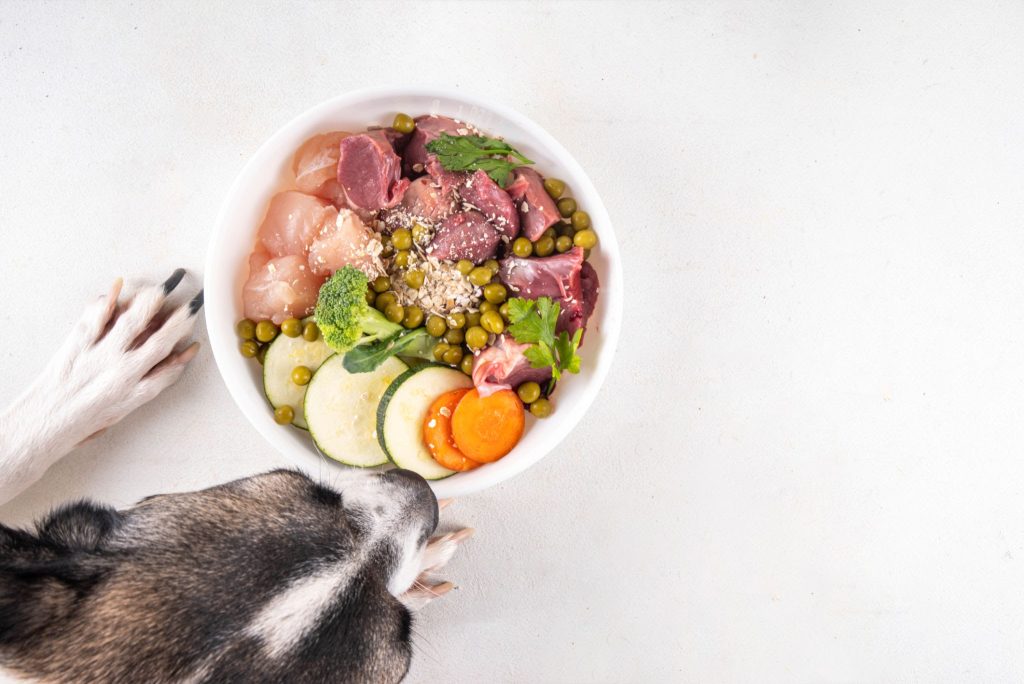
1. High-Quality Animal Proteins
Proteins are the essential structural framework for muscles, tissue repair, skin, fur, and immune antibodies. When dogs digest protein, their system breaks it down into individual amino acids. Specifically, dogs require twenty-two amino acids to survive. While their bodies synthesise twelve of these naturally, the remaining ten essential amino acids must come directly from their daily diet.
-
Top Protein Sources: Fresh chicken, turkey, lean beef, lamb, venison, salmon, and whole eggs.
-
What to Look For: Look for named protein sources at the top of ingredient lists rather than vague terms like “meat derivatives.”
2. Dietary Fats and Omega Fatty Acids
Although human dietary trends often demonise fats, canine physiology relies heavily on lipids as a primary fuel source. Fats provide concentrated energy, holding more than double the calories per gram compared to carbohydrates or proteins. Moreover, healthy fats keep coats shiny, support brain function, and facilitate the absorption of fat-soluble vitamins (A, D, E, and K).
-
Essential Fatty Acids: Omega-3 (EPA and DHA) and Omega-6 (Linoleic acid).
-
Ideal Sources: Fish oil, flaxseed, chicken fat, and cold-pressed sunflower oil.
3. Complex Carbohydrates and Fibre
While dogs do not have a strict dietary requirement for carbohydrates, high-quality carbs serve as a fantastic source of immediate energy and dietary fibre. Additionally, fibre regulates gut flora, improves stool quality, and prevents dramatic blood sugar spikes.
-
Beneficial Carbohydrates: Sweet potatoes, pumpkin, cooked brown rice, oats, and blueberries.
-
What to Avoid: Excessive refined wheat fillers, corn syrup, or artificial binders.
4. Vitamins, Minerals, and Hydration
Minerals like calcium and phosphorus build strong skeletal structures, whereas sodium and potassium maintain proper nerve impulses. Meanwhile, water remains the single most important nutrient of all. In fact, a modest 10% drop in body water can lead to severe physiological issues. Therefore, clean, fresh water must always be accessible.
For additional canine care tips beyond diet, you can explore our puppy training fundamentals handbook to keep your pup mentally stimulated.
Commercial Kibble vs. Raw vs. Fresh Cooked Diets
Selecting a feeding philosophy is one of the biggest choices you will face. Because every dog possesses unique digestive tolerances, understanding the differences between feeding formats is vital.
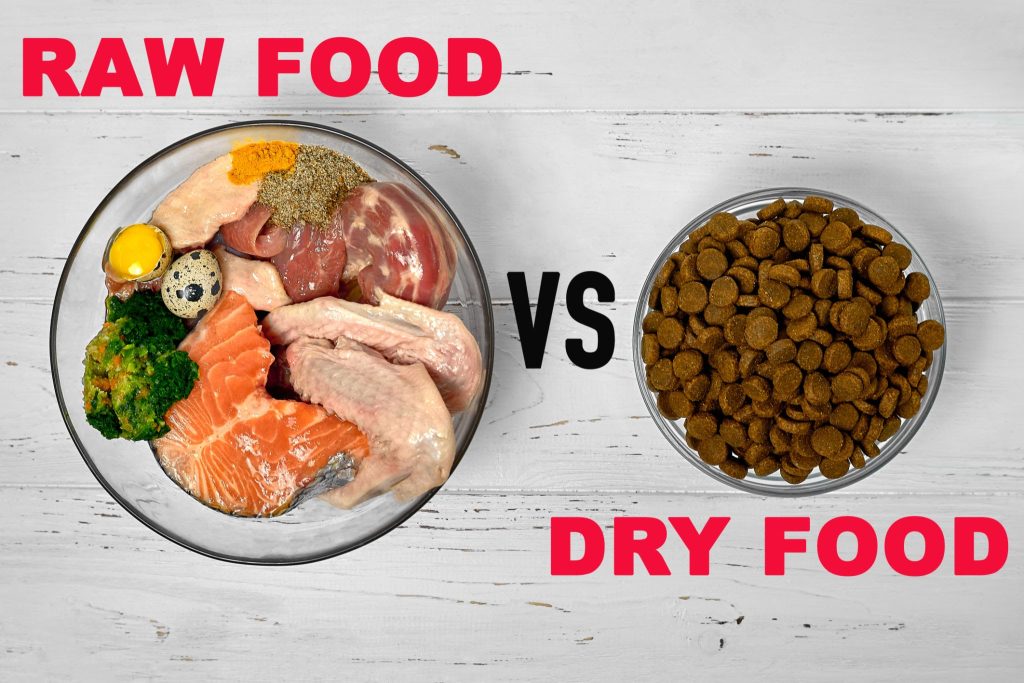
Dry Kibble Dog Nutrition
Dry food remains the most popular option worldwide due to convenience, long shelf life, and affordability. High-end kibble options offer carefully calibrated nutrient profiles verified by industry standards.
-
Pros: Highly convenient, affordable, easy to store, long shelf stability.
-
Cons: Highly processed at high heat, lower moisture content, sometimes contains excess starch binders.
Fresh, Gently Cooked Foods
Gently cooked fresh dog food has seen a massive surge in popularity. These diets feature whole, human-grade meats and vegetables lightly steamed to preserve heat-sensitive nutrients while killing potential pathogens.
-
Pros: Highly digestible, appealing taste for picky eaters, whole ingredient transparency.
-
Cons: Significantly higher cost, requires refrigerator or freezer space.
Raw Diets (BARF / Prey Model)
Biologically Appropriate Raw Food (BARF) diets consist of raw organ meat, muscle tissue, ground bones, and dog-safe vegetables. Proponents highlight radiant coats, reduced dental tartar, and smaller, firmer stools.
-
Pros: Unprocessed whole food nutrients, natural dental work from chewing bones, high moisture.
-
Cons: Bacterial contamination risk if handled improperly, potential for nutritional imbalances if homemade without expert formulation.
Regardless of which feeding method you choose, consult official dietary standards established by the Association of American Feed Control Officials to ensure your chosen brand provides complete and balanced daily nutrition.
Tailoring Meals to Life Stages and Special Needs for dog nutrition
Canine nutritional requirements change dramatically across different stages of life. Consequently, a feeding plan designed for a growing puppy will quickly lead to obesity if fed to a senior dog.
Here is the Canine Life Stage Matrix rewritten as a clean, responsive Markdown table:
Canine Life Stage Matrix
| Life Stage | Primary Focus | Key Caloric Need |
| Puppyhood (0–12m) | Bone & Tissue Growth | High Density & Calcium |
| Adult (1–7 yrs) | Maintenance & Energy | Balanced Protein & Fat |
| Senior (7+ yrs) | Joint & Kidney Support | Lower Cal, High Fiber |
Puppies (Birth to 12-18 Months)
Puppies grow at a rapid rate, requiring nearly double the caloric intake per pound compared to adult dogs. Furthermore, their diets need elevated levels of calcium and phosphorus to support skeletal development. For large-breed puppies like German Shepherds or Great Danes, precise calcium balance is critical to prevent developmental joint disorders.
Adult Dogs (1 to 7 Years)
During adulthood, the primary goal shifts from growth to body condition maintenance. Metabolic rates stabilise during this phase, meaning energy intake must match daily exercise levels.
Senior Dogs (7+ Years)
As dogs age, their metabolic rate slows down, and physical activity naturally declines. Therefore, senior diets often feature reduced calorie counts alongside higher fibre to aid digestion. Additionally, adding glucosamine and chondroitin supports ageing joints, while reduced sodium preserves cardiovascular health.
When evaluating health issues or dietary adjustments for older dogs, consulting guidelines from the American Veterinary Medical Association offers invaluable medical perspective.
Portion Control and Preventing Canine Obesity for dog nutrition
Obesity is currently the single greatest health threat facing modern pet dogs. Studies show that over half of adult dogs in developed countries are overweight or obese. Unfortunately, excess weight significantly increases the risk of diabetes, osteoarthritis, cardiovascular disease, and reduced life expectancy.
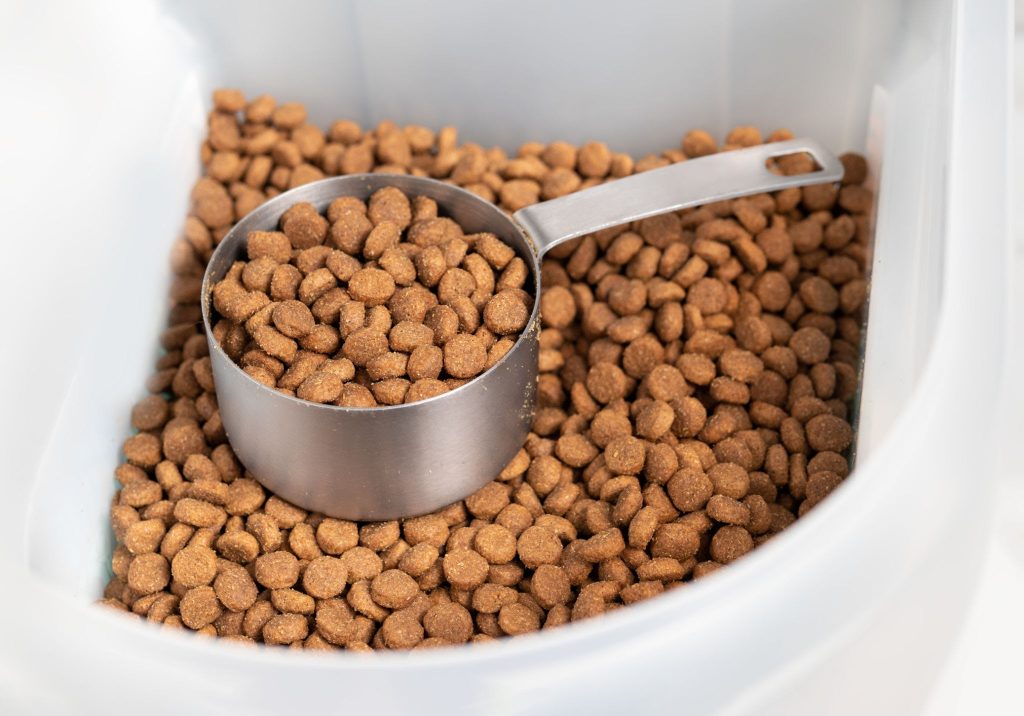
To keep your pup in optimal physical condition, follow these step-by-step measurement habits:
Toxic Foods: What Must Never Enter the Bowl
While sharing food with your dog can feel like a loving gesture, many human ingredients are highly toxic or fatal to dogs. As a responsible owner, keeping these ingredients far out of reach is critical.
| Food Item | Primary Toxic Effect | Severity Level |
| Chocolate & Caffeine | Theobromine toxicity, elevated heart rate | High to Fatal |
| Grapes & Raisins | Acute renal (kidney) failure | Extremely High |
| Xylitol (Birch Sugar) | Rapid insulin release, severe hypoglycemia, liver failure | Critical / Fatal |
| Onions & Garlic | Oxidative damage to red blood cells (anaemia) | Moderate to High |
| Macadamia Nuts | Weakness, hyperthermia, vomiting | Moderate |
| Avocado | Persin toxicity causing upset tummy | Low to Moderate |
Instead of high-fat table scraps, reward your dog with safe homemade alternatives like our simple homemade healthy treat ideas using safe ingredients like peanut butter and pumpkin puree.
Frequently Asked Questions
How often should I feed my adult dog?
Most adult dogs thrive on two meals per day spaced roughly 8 to 12 hours apart. Feeding twice daily prevents stomach bilious vomiting and aids digestion compared to a single massive meal.
How do I safely switch my dog to a new food brand?
Transitions should take place gradually over 7 to 10 days. Start by mixing 25% new food with 75% old food for two days, then move to a 50/50 ratio, followed by 75% new food, before reaching 100% new food. This slow transition prevents GI distress or sudden diarrhoea.
Are grain-free diets safe for all dogs?
Grain-free diets became trendy, but veterinarians recommend caution unless your dog has a diagnosed grain allergy. Certain grain-free diets heavily reliant on legumes (peas, lentils) have been investigated for potential links to dilated cardiomyopathy (DCM). Always discuss grain-free choices with your vet.
Final Thoughts on Meal Planning
Ultimately, constructing a proper feeding schedule does not have to be overly complex. By understanding the core macronutrient requirements, adjusting portions based on life stage, and monitoring your dog’s physical body condition, you provide the building blocks for decades of vibrant health. Utilise this dog nutrition guide as your foundational roadmap, pay attention to how your dog responds, and never hesitate to collaborate with your local veterinarian for tailored guidance.