
I use decorative LED lights in my home because lighting shapes how I experience a space more than most people realize. A room can look well-designed and still feel uncomfortable if the light is wrong. Over time, I learned that good lighting doesn’t demand attention. It quietly supports how I live, work, and rest.
In this guide, I explain how I choose lighting that feels natural, practical, and easy to live with.
What you’ll learn here:
- Where wall lighting improves comfort instead of clutter
- How color lighting affects mood when used properly
- Why dimmers matter more than bulb power
- Bedroom lighting that supports better rest
- I control without breaking my routine
If you’re already interested in smart upgrades, my guide on home automation ideas connects naturally with the lighting choices I’m sharing here.
How I Think About Lighting Before Buying Anything
Before I buy any light, I pause and think about how I actually use the room. I don’t start with brands or features. I start with comfort. This saves me from buying lights that look good online but feel wrong at home.
I ask myself a few simple questions before spending money.
- Will I use this light mostly during the day or at night?
- Do I need to change brightness often?
- Will this light be in direct view or indirect?
If a light needs frequent adjustment, I make sure it has dimming or a remote control. If it’s only decorative, I keep brightness low from the start.
I also think about how long I’ll be in that space. A light that feels fine for five minutes can become tiring after an hour. If I can imagine myself relaxing under it, I move forward. If not, I skip it.
LED Light on Wall: The Cure for an Unfinished Room
I turn to wall lighting when a room feels unfinished. Ceiling lights alone often make spaces feel harsh or empty. A wall-mounted light adds balance without changing the whole setup.
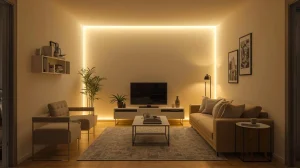
Why wall lighting works
- It spreads light more gently.
- It creates depth instead of glare.
- It guides the eye across the room.
That combination makes rooms feel intentional.
Where I place wall lights
- Behind the TV to reduce eye strain
- Along hallways for safe movement
- Near artwork or shelves to add focus
I avoid placing them too high. Lower placement feels calmer and more natural.
Styles I recommend
- Wall sconces for living rooms and bedrooms
- LED strips behind panels or shelves
- Recessed lights for stairs and corridors
Brands I trust
- Philips for long-term reliability
- Wipro for clean, modern designs
- Syska for affordable options that still perform
If a wall light looks good but strains my eyes, I don’t keep it. Comfort comes first.
Wall Lighting vs Ceiling Lighting: How I Decide
I don’t treat wall lights and ceiling lights as replacements. I treat them as tools with different jobs. Knowing when to use each one makes rooms feel balanced instead of harsh.
Ceiling lights give general visibility. Wall lights shape the space.
Here’s how I decide:
I use ceiling lights when
- I need even brightness across the room
- The space is task-focused
- People are moving around often
I use wall lights when
- I want comfort over brightness
- I need indirect light
- I want depth without glare
In most rooms, I use both. Ceiling lights handle function. Wall lights handle mood. Together, they make the space feel complete.
RGB LED Lights: Soft Color, Better Mood
I use RGB lighting with restraint. Too much color becomes noise fast. For me, color is not decoration. It’s atmosphere. If the light draws attention to itself, it’s doing too much.
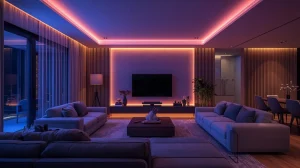
How color lighting actually helps me
Color works best when it supports what I’m doing, not when it steals focus.
- Warm tones help my body slow down at night
- Soft blue helps me stay alert during light work
- Muted colors create background calm without distraction
I avoid harsh shades. Subtle color always feels better than bright drama.
How I Choose the Right Color Temperature
I don’t rely on charts or numbers to choose light color. I rely on how my eyes and body react. If a light feels wrong, no app can fix that.
I test color temperature in a very simple way.
- If it makes me squint, it’s too cool
- If it makes me sleepy, it’s warm enough
- If I forget the light is on, it’s right
I also test lighting at the time I’ll use it most. A light that looks fine in the afternoon can feel harsh at night. That’s why I avoid buying lights without adjustable warmth.
For mixed-use rooms, I don’t mix colors randomly. I keep one base tone and use dimming to change mood instead of switching colors.
Brightness matters more than color
I rarely use full brightness with RGB lights. Lower intensity makes color feel natural instead of artificial. High brightness turns relaxing light into visual clutter.
My rule is simple: if the color feels loud, I dim it until it disappears into the room.
Best places where RGB lights actually work
Placement decides whether color lighting feels premium or messy. I keep it indirect.
- Behind headboards to soften the room at night
- Under shelves for depth without glare
- Along ceiling edges to lift the space visually
I avoid placing color lights at eye level. They should be felt, not stared at.
Where I avoid using RGB lights
I don’t use color lighting in task-heavy zones. Kitchens, desks, and reading areas need clarity, not mood. Neutral white works better there and reduces eye strain.
Brands I rely on for consistent color
I stick to brands that handle color smoothly and don’t flicker.
- Philips Hue for clean transitions and reliable control
- Govee for strong value and flexible effects
- Xiaomi Yeelight for accurate tones and simple setups
Cheap RGB lights often look harsh. Good color feels soft, even when it’s visible.
How I know when I’ve used too much color
If guests notice the lights before they notice the room, I know I’ve overdone it. Good RGB lighting supports the space quietly. It should shape the mood, not announce itself.
Table Lamp with Dimmer: Simple Control, Better Comfort
A dimmer is non-negotiable for me. I won’t buy a table lamp without one. It lets me move from focused light to a calm glow in seconds. That single control makes the lamp useful all day instead of just at night.
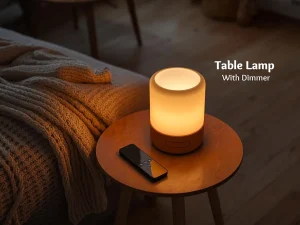
Why dimming matters
Bright light keeps the brain alert.
Soft light tells it to slow down.
I need both in the same space.
Where I use dimmable lamps
- Bedside tables
- Work desks
- Reading corners
One lamp does multiple jobs when dimming is smooth.
Types I prefer
- Touch dimmers for bedrooms
- Knob dimmers for workspaces
Brands I recommend
- Philips for smooth brightness control
- IKEA for simple, reliable design
- Wipro for practical daily use
If brightness jumps instead of changing gradually, it ruins the experience.
LED Lights for Bedroom Walls: Make Your Room Feel Calmer
Bedroom lighting affects sleep more than people expect. I focus on wall lighting because it avoids harsh glare and feels calmer at night.
Why wall lighting works in bedrooms
It keeps the light indirect.
It reduces eye strain.
It feels softer during late hours.
That’s exactly what a bedroom needs.
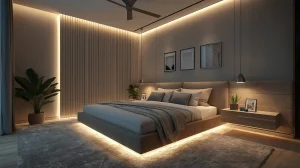
Lighting ideas I actually use
- Soft strips behind the headboard
- Low wall lamps near the bed
- Focused reading lights only where needed
I stay away from cool white tones here. Always.
What I check before buying
- Dimming support
- Warm color range
- Easy controls
Brands that get bedroom lighting right
- Philips WarmGlow series
- Syska wall-mounted LEDs
- Havells decorative wall lights
Bedroom lighting should help you wind down, not remind you of office hours.
Remote Control Lights: Adjust Lights from Bed or Sofa
I didn’t think I needed remote lighting until I used it daily. Now it’s part of my routine without me thinking about it. I adjust brightness from bed, the sofa, or my desk in seconds. It removes small interruptions from my day, and once that ease is there, going back feels inconvenient.
Why I use remote-controlled lights
- No getting up at night
- Easy brightness changes
- Quick mood adjustments
Once you’re used to it, wall switches feel outdated.
Where remotes help most
- Bedrooms
- Living rooms
- Homes with elderly family members
Types I actually use
- Ceiling lights with dimming remote
- Strip lights with memory settings
- Portable puck lights for corners
Brands I trust
- Syska remote LED panels
- Wipro remote-controlled fixtures
- Philips ceiling lights with remote
If the remote only works when pointed perfectly, I skip it.
How Lighting Affects Guests
Most guests don’t comment on lighting. But I can feel when it’s working. Conversations last longer. People sit comfortably. No one asks to turn lights down.
Good lighting helps guests relax without realizing why.
Here’s what I’ve noticed:
- Warm light makes people settle in faster
- Soft wall lighting reduces tension
- Indirect light feels welcoming
Harsh lighting does the opposite. It shortens visits. People stay alert instead of relaxed.
I don’t light rooms to impress guests. I light them so guests feel at ease. When lighting disappears into the background, the room feels right.
How Lighting Changes the Way I Use a Room
I’ve learned that lighting isn’t just about decoration—it shapes how I move, work, and relax in a space. The right lighting can make a room feel welcoming, productive, or calming, while poor lighting makes even a beautiful room uncomfortable. I’ve experienced both, so I pay close attention to how light affects behavior before adding new fixtures.
How lighting affects my mood
Bright, cool light wakes me up and improves focus. Soft, warm light tells my brain to slow down. It makes evening routines feel natural—like winding down without thinking about it.
How I adjust lighting by activity
I separate rooms or areas by function:
- Workspaces: Bright, focused light over desks or counters for clarity.
- Relaxation zones: Softer, warmer light in living rooms or bedrooms for calm.
- Multi-purpose rooms: Dimmable lights or adjustable strips let me switch between focus and relaxation easily.
How placement changes usage
- Wall lights behind sofas or beds create indirect glow and reduce glare.
- Ceiling lights in task areas give even illumination without harsh shadows.
- Accent lights around artwork or shelves guide my attention naturally.
Even small adjustments make a room feel different. A hallway with subtle wall LEDs feels safe and inviting, while the same hallway with only a harsh ceiling light feels cold.
The subtle power of timing
Dimmer schedules or remote-controlled LEDs let me simulate natural day-night cycles. I wake up more easily in the morning with slightly cooler light and wind down at night with warmer, softer tones.
My takeaway
Lighting isn’t just visual—it’s functional and behavioral. When light type, color, and placement match the activity, every room works with me instead of against me.
Warm vs Cool Light
I choose light color based on how I want a space to feel and how I use it during the day. Brightness matters, but color temperature changes behavior faster than most people expect.
What warm light does for me
Warm light feels calm and familiar.
I use it to:
- Relax after work
- Read at night
- Prepare for sleep
It’s easier on the eyes and reduces mental alertness in the evening. Warm tones also make rooms feel more comfortable, even with lower brightness.
What cool light does for me
Cool light keeps me alert and focused.
I use it to:
- Work or study
- See clearly during daytime tasks
- Maintain focus in kitchens or home offices
I keep it controlled. Too much cool light at night makes it harder to relax.
Where people usually go wrong
Mixing tones without a plan often creates tension. I avoid warm and cool tones in the same small space. If I need variety, I use dimmers instead of changing color.
My practical setup at home
- Warm light in bedrooms and evening zones
- Neutral to cool light in work areas
- Dimmers everywhere possible
When light color matches purpose, the room supports what I do instead of distracting me.
How I Maintain LED Lights So They Last Longer
LED lights are low-maintenance, but they still need basic care to perform well over time. I’ve noticed that small habits make a big difference in how long lights last and how consistent they stay. Most LED failures I’ve seen weren’t because of defects. They happened due to heat, dust, or poor usage habits.
I keep heat under control
Heat is the biggest enemy of LED lights. Even high-quality LEDs suffer when heat can’t escape properly.
Here’s what I do:
- I avoid enclosing LEDs in tight, unventilated fixtures
- I leave enough space around strips and panels for airflow
- I don’t cover lights with decorative materials that trap heat
If a light feels unusually warm, I check the fixture instead of ignoring it.
I clean fixtures regularly
Dust doesn’t just affect appearance. It blocks light output and traps heat.
My simple cleaning routine:
- I wipe fixtures with a dry cloth every few weeks
- I clean diffusers gently to avoid scratches
- I turn power off before touching any fixture
Clean lights stay brighter and run cooler.
I use dimmers and avoid unnecessary full brightness
Running LEDs at full brightness all the time shortens their lifespan.
I rely on dimmers because:
- Lower brightness reduces heat buildup
- The light feels more comfortable for daily use
- LEDs experience less stress over time
I only use maximum brightness when it’s actually needed.
I don’t switch lights on and off constantly
LEDs handle switching better than older bulbs, but constant toggling still adds wear.
To reduce stress:
- I leave lights on if I’ll return soon
- I use motion sensors in high-traffic areas
- I rely on remote controls instead of wall switches at night
Smooth usage keeps components stable.
I choose quality drivers and power sources
Many LED issues come from poor drivers, not the light itself.
What I check before buying:
- Stable voltage ratings
- Built-in surge protection
- Compatibility with dimmers
A good driver protects the LED from power fluctuations and flickering.
I avoid mixing incompatible accessories
Not all dimmers, remotes, and controllers work well together.
I make sure:
- The dimmer matches the LED type
- Controllers are from the same brand or certified compatible
- Smart features don’t overload basic fixtures
Compatibility saves time and prevents early failure.
My long-term takeaway
LED lights last longer when they’re treated like everyday tools, not disposable items. I don’t overdrive them, I keep them clean, and I use them the way they were designed to be used.
With these habits, my lights stay consistent for years instead of months.
How I Choose Decorative LED Lights for Home Without Overthinking
I keep my decision process simple.
My quick checklist
- Does it feel comfortable after ten minutes?
- Can I adjust brightness easily?
- Does it suit daily use, not just photos?
If the answer is no, I move on. I apply the same thinking when choosing appliances, like I explained while comparing options for daily juicing at home. Practical use always beats design claims.
Lighting Mistakes I’ve Learned to Avoid
I’ve made these mistakes before. I don’t repeat them.
Common mistakes
- Using too many colors in one room
- Buying lights without dimming
- Installing bright white light in rest areas
More lights don’t mean better lighting.
Lighting Problems I’ve Faced and How I Fixed Them
I’ve made mistakes with lighting. Most of them came from rushing decisions. Fixing them taught me what actually matters.
Here are common problems I’ve faced and what worked.
Problem: Light looked good online but felt harsh
- Fix: Lowered brightness or moved it out of direct view
Problem: RGB colors felt cheap or distracting
- Fix: Reduced brightness and used muted tones
Problem: Flickering with dimmers
- Fix: Changed to a compatible dimmer or a better driver
Problem: The Room felt flat, even with enough light
- Fix: Added one wall light for depth
I don’t replace lights immediately. I adjust placement, brightness, or usage first. Small changes often solve big problems.
FAQs
Do decorative LED lights increase electricity bills?
No. LEDs use less power and last longer than traditional bulbs.
Are smart lights necessary for good lighting?
No. Placement and dimming matter more than smart features.
Can wall lighting replace ceiling lights?
In many rooms, yes. Especially bedrooms and hallways.
Are remote lights reliable?
Yes, if you choose trusted brands.
My Final Thoughts
I use decorative LED lights in home because they quietly improve daily life. They help me focus, relax, and move through my space without effort. Good lighting doesn’t demand attention. It supports how a home feels.
When lighting feels right, you stop thinking about it. That’s how I know the setup works.