

Every dog owner wants their furry companion to live a long, vibrant, and energetic life. While regular walks and cosy sleeping spots are essential, nothing impacts your pet’s overall health quite as directly as what goes into their bowl every single day. Creating a customised dog meal plan is one of the single best decisions you can make to optimise your pup’s health, manage weight, and prevent chronic illness.
However, navigating the world of canine nutrition can feel overwhelming. With endless options ranging from commercial kibble to fresh homemade diets, finding the right balance requires clear guidance. Consequently, this comprehensive guide will walk you through everything you need to know about designing a safe, nutritious, and appetising feeding schedule tailored specifically to your dog’s unique needs.
Why a Custom Dog Meal Plan Matters for Long-Term Health
Dogs, much like humans, thrive on consistency and proper dietary balance. Feeding your canine companion random table scraps or switching foods without a strategy can quickly lead to digestive upset, nutrient deficiencies, or obesity. Therefore, implementing a dedicated diet strategy offers numerous tangible benefits:
-
Weight Management: Precise portion control prevents overfeeding and helps maintain a lean, healthy frame.
-
Improved Digestion: Consistent, high-quality ingredients reduce gas, loose stools, and stomach discomfort.
-
Healthier Skin and Coat: Balanced fatty acids promote a shiny coat and reduce itchy, flaky skin.
-
Sustained Energy: Proper macro ratios keep energy levels steady throughout the day.
-
Disease Prevention: Proper nutrition reduces the risk of diabetes, joint issues, and cardiac complications.
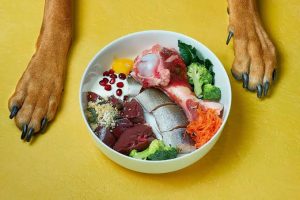
Understanding Core Canine Nutritional Requirements
Before building your feeding routine, you must understand what nutrients your dog actually requires to thrive. Dogs are facultative carnivores, meaning that while they thrive on animal proteins, they can also digest and utilise nutrients from carbohydrates, fruits, and vegetables.
1. High-Quality Protein
Protein is the fundamental building block for muscles, tissue repair, and immune function. Therefore, muscle meats like chicken, beef, turkey, lamb, and fish should serve as the foundation of your dog’s diet.
2. Essential Healthy Fats
Fats provide concentrated energy and support brain function, cell structure, and hormone production. Look for sources rich in Omega-3 and Omega-6 fatty acids, such as salmon oil, flaxseed, and chicken fat.
3. Digestible Carbohydrates & Fibre
While controversial in some circles, healthy carbohydrates provide quick energy and necessary dietary fiber for healthy bowel movements. Excellent sources include sweet potatoes, pumpkin, brown rice, and oats.
4. Essential Vitamins and Minerals
Calcium, phosphorus, potassium, and vitamins A, D, E, and B-complex are vital for bone density, nerve transmission, and metabolic health. As a result, any long-term home-prepared diet must carefully balance these micronutrients.
According to research published by the American Kennel Club, properly balanced nutrition directly correlates with an extended lifespan and reduced veterinary visits over a pet’s lifetime.
Key Factors That Determine Your Dog’s Dietary Needs
There is no one-size-fits-all solution when it comes to feeding pets. Because every dog is an individual, several distinct factors will shape your planning process.
| Factor | Impact on Dietary Requirements |
| Life Stage | Puppies require high-calorie and protein levels for growth, whereas seniors need fewer calories and extra joint support. |
| Activity Level | Active or working dogs need energy-dense meals, while sedentary pets require strict portion control to prevent weight gain. |
| Breed & Size | Small breeds need calorie-dense kibble suited to fast metabolisms, while large breeds require balanced calcium and phosphorus ratios for bone safety. |
| Health Status | Specific conditions like food allergies, kidney disease, or diabetes require specialised therapeutic nutrition. |
Exploring Different Types of Feeding Models
When designing a dog meal plan, you can choose from several feeding styles depending on your lifestyle, budget, and your dog’s specific needs.

Commercial High-Quality Kibble
-
Pros: Convenient, affordable, long shelf life, and balanced to meet AAFCO standards.
-
Cons: Heavily processed at high heat, which can reduce natural enzyme availability.
-
Best For: Busy owners seeking reliable, stress-free daily feeding.
Fresh Gently Cooked Diets
-
Pros: Highly palatable, easily digestible, made with whole-food ingredients.
-
Cons: Requires refrigeration, higher cost, and prep time.
-
Best For: Picky eaters, dogs with sensitive stomachs, or health-conscious owners.
Raw Diets (BARF / Prey Model)
-
Pros: Unprocessed nutrients, excellent dental benefits, maximum bioavailability.
-
Cons: Risk of bacterial contamination, requires strict hygiene, harder to balance.
-
Best For: Experienced owners committed to careful sourcing and balance. For a deeper dive into safe handling, check out our detailed guide on raw dog food prep.
Step-by-Step: How to Build a Balanced Dog Meal Plan
Creating your routine doesn’t have to be complicated. By following a structured approach, you can ensure your dog gets complete nutrition every day.
Sample Weekly Recipe Framework (Cooked Fresh Model)
If you decide to cook at home, maintaining variety while preserving nutrient balance is essential. Below is a sample recipe layout for a medium-sized adult dog (approx. 30–35 lbs) requiring ~700 calories per day.
Important Note: Always consult a veterinary nutritionist before transitioning permanently to homemade diets to prevent long-term vitamin or mineral deficiencies.
Ingredients Baseline (Batch Prep):
-
Protein (50%): Ground turkey (93/7 lean) or ground beef.
-
Organ Meat (10%): Beef liver or chicken heart (rich in taurine and iron).
-
Carbohydrates & Fibre (25%): Steamed sweet potatoes and brown rice.
-
Vegetables & Fruits (15%): Finely chopped broccoli, carrots, and blueberries.
-
Healthy Fats & Minerals: 1 tsp salmon oil + approved calcium carbonate supplement.
Weekly Rotation Plan:
-
Monday – Wednesday: Ground Turkey, Sweet Potato, Broccoli, and Salmon Oil base.
-
Thursday – Saturday: Lean Ground Beef, Brown Rice, Spinach, and Blueberry blend.
-
Sunday (Gut Reset): Cooked Chicken Breast, Pureed Pumpkin, Bone Broth, and Probiotics.
Foods to Absolutely Avoid in Your Feeding Strategy
While adding fresh whole foods to your dog’s bowl is fantastic, certain human ingredients are toxic to dogs. Therefore, strictly avoid including the following items in your preparation:
-
Onions, Garlic, and Chives: Damage red blood cells, causing severe anaemia.
-
Grapes and Raisins: Can trigger sudden acute kidney failure.
-
Chocolate and Caffeine: Contain methylxanthines that cause heart distress.
-
Xylitol / Birch Sugar: Artificial sweetener causing fatal hypoglycemia.
-
Avocado Pit and Skin: Contains persin, which causes vomiting and diarrhoea.
-
Cooked Bones: Can splinter easily and cause internal organ punctures.
For a comprehensive medical list of toxic substances, refer to the VCA Animal Hospitals guidance library.
Monitoring Progress and Adjusting Portions
Once you implement your strategy, monitor your dog’s physical condition closely over the next 4 to 6 weeks.

-
Body Condition Score: You should easily feel their ribs without pressing hard, and see a distinct waistline from above.
-
Stool Quality: Stools should be firm, dark brown, and easy to pick up.
-
Coat Condition: Shiny coat with minimal dander or excessive shedding.
-
Energy Levels: Steady enthusiasm for walks, play, and daily activities.
If your dog gains unexpected weight, reduce daily portions by 10%. Conversely, if they lose weight or appear constantly hungry, increase portion sizes slightly or add extra lean protein.
Final Thoughts
Developing a tailored feeding routine is one of the most rewarding steps you can take as a dog owner. By prioritising high-quality protein, essential fatty acids, and wholesome ingredients, you provide your pet with the ultimate foundation for health, happiness, and longevity.
Whether you choose premium commercial food, fresh cooked meals, or a hybrid approach, consistency and nutritional balance remain your key targets. Start small, monitor your dog’s response, and consult your veterinarian along the way to build a routine your dog will love every day!