
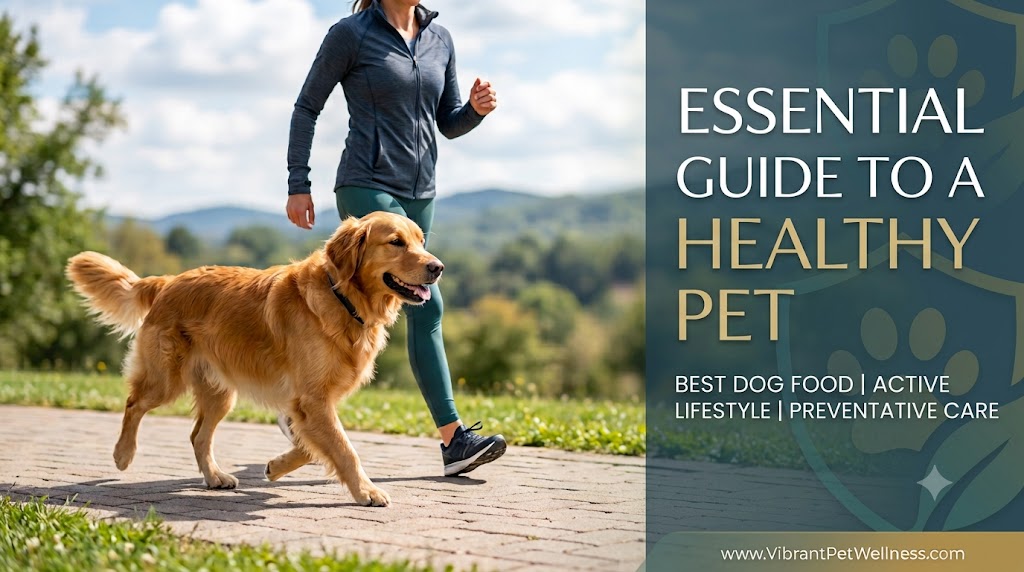
Every pet owner wants their furry companions to live long, vibrant, and joyful lives. However, maintaining wellness requires more than just filling a food bowl and offering occasional belly rubs. If you are wondering how to keep your pet healthy through every season, building a holistic routine is the ultimate key.
Furthermore, caring for a pet involves a thoughtful balance of nutrition, preventative veterinary medicine, mental stimulation, and seasonal care. Consequently, understanding how these components work together will help you prevent illness before it starts. In this comprehensive guide, we will break down practical, expert-approved strategies to ensure your four-legged family member thrives all year long.

1. Master Seasonal Preventative Care with Healthy Pet
Weather changes bring distinct challenges for companion animals. Therefore, at Healthy Pet, adapting your routine to each season is one of the most effective ways to protect your animal’s well-being.
Spring and Summer Vigilance
When temperatures rise, parasites become active. Fleas, ticks, and mosquitoes carry dangerous pathogens, including heartworms and Lyme disease.
-
Parasite Prevention: Apply veterinarian-recommended topical or oral preventatives monthly without skipping doses.
-
Hydration and Heat: Always carry fresh water during walks. Moreover, avoid walking on hot pavement, which can quickly burn sensitive paw pads.
-
Allergy Management: Just like humans, pets experience environmental allergies. Watch for excessive licking, paw chewing, or red skin.
Autumn and Winter Safety
Cold weather presents a different set of hazards that require proactive attention.
-
Paw Protection: De-icing salts used on sidewalks can irritate paws and prove toxic if ingested during grooming. Consequently, wipe your pet’s feet with a damp cloth after outdoor walks.
-
Temperature Regulation: While short walks are great, extended exposure to extreme cold can cause hypothermia or frostbite, particularly in short-haired breeds or senior animals.
2. Prioritise Optimal Nutrition and Proper Dog Feeding
Nutrition forms the baseline of physical health. Providing high-quality nourishment ensures strong immune function, healthy joints, and a shiny coat.
Choosing the Best Dog Food and Balanced Diets
Selecting the best dog food involves reading labels carefully rather than relying on marketing claims. Look for options where whole protein sources—such as chicken, beef, or salmon—are listed as the primary ingredient. Additionally, ensure the formula meets the nutritional standards established by the Association of American Feed Control Officials (AAFCO).
Proper dog feeding guidelines should also account for age, size, and activity level. Puppies require higher calories and protein for growth, whereas senior animals often need lower-calorie recipes with added joint support like glucosamine.

The Dangers of Pet Obesity
Overfeeding is one of the most frequent causes of chronic illness in domestic animals. In fact, carrying extra weight increases the risk of diabetes, heart disease, and painful arthritis.
Pro Tip: You should be able to feel your pet’s ribs easily without pressing hard, and they should have an observable waistline when viewed from above.
3. Establish a Consistent Active Dog Lifestyle
Physical movement is indispensable for joint longevity, cardiovascular health, and weight management. Moreover, regular exercise prevents destructive behaviours stemming from boredom.
| Life Stage | Recommended Daily Exercise | Ideal Activities |
| Puppy / Kitten | 30–45 minutes (short bursts) | Light play, gentle fetch, basic training walks |
| Adult | 60–90 minutes | Brisk walking, trail hiking, agility drills, swimming |
| Senior | 30–45 minutes (low-impact) | Gentle strolling, scent work, leisurely yard play |
Building a dynamic dog lifestyle keeps your companion agile. However, remember to tailor activity levels to your animal’s specific breed capabilities and current stamina.
4. Routine Veterinary Exams and Early Detection
Even when your companion appears entirely healthy, routine vet visits remain critical. Animals are naturally adept at hiding discomfort or illness until conditions become advanced.

Annual and Bi-Annual Checkups
Adult pets should visit the veterinarian at least once a year, while senior pets benefit greatly from bi-annual checkups. During these appointments, your vet will perform comprehensive evaluations:
-
Listening to heart and lung sounds.
-
Checking eyes, ears, and mouth for signs of infection or decay.
-
Feeling the abdomen for organ abnormalities.
-
Running routine blood work to assess kidney and liver function.
Additionally, Healthy Pet, keeping core vaccinations up to date protects your pet—and your community—from preventable infectious diseases. For more detailed clinical guidelines, explore the American Veterinary Medical Association (AVMA) resources on preventative care.
5. Dental Hygiene and Home Grooming
Dental care is frequently overlooked, yet severe periodontitis can lead to systemic bacteria spreading to the heart, liver, and kidneys.
-
Daily Brushing: Use a pet-safe enzymatic toothpaste. Never use human toothpaste, as ingredients like xylitol are highly toxic to animals.
-
Dental Chews and Toys: Supplement brushing with VOHC-approved (Veterinary Oral Health Council) dental treats.
-
Coat and Ear Maintenance: Regular brushing removes loose fur, minimises hairballs in cats, and distributes natural skin oils. Furthermore, inspect ears weekly for redness or foul odours that signal infection.
6. Mental Stimulation and Emotional Well-being
A healthy body requires a healthy mind. Environmental enrichment reduces anxiety and maintains cognitive sharpness as your animal ages.
-
Interactive Toys: Use food puzzle toys to make mealtime an engaging brain exercise.
-
Positive Reinforcement Training: Teaching new tricks or refining commands provides excellent mental fatigue.
-
Safe Socialisation: Controlled exposure to new environments, people, and other animals builds confidence and reduces stress-induced behaviours.
Summary Checklist for Year-Round Health
To ensure you stay on track, consult our internal guides on essential puppy socialisation techniques and explore our comprehensive senior pet wellness checklist for specialised care strategies.
Learning how to keep your pet healthy is a continuous journey of attentive care, proper nutrition, regular movement, and professional medical support. By implementing these foundational habits today, you give your beloved companion the best gift possible: a long, vibrant life by your side.