
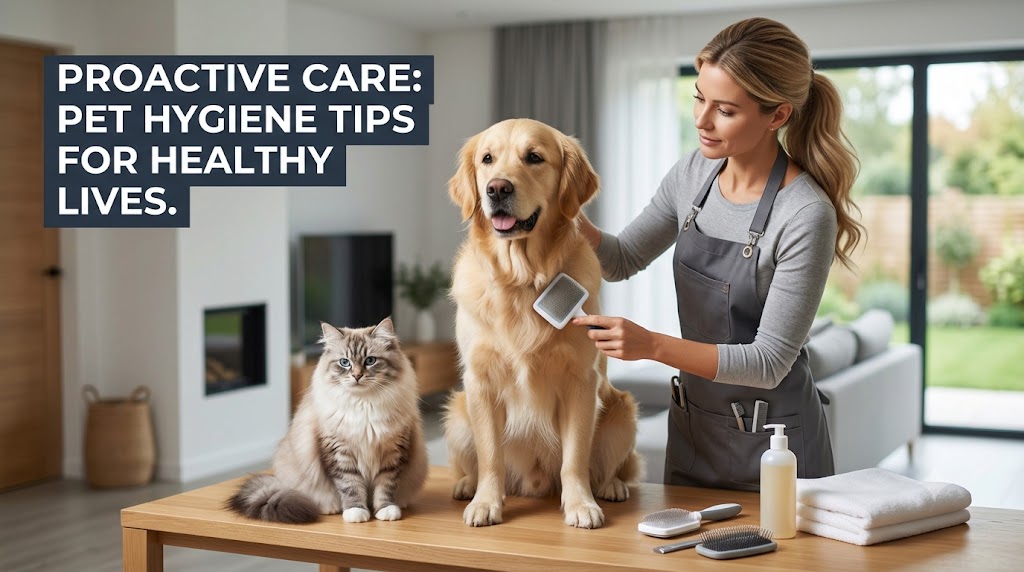
Maintaining a clean and healthy environment for your four-legged companion is about far more than just surface appearance. Indeed, proper grooming and cleanliness directly safeguard your animal’s long-term physical health, emotional well-being, and overall longevity. In this comprehensive guide, we will explore practical pet hygiene tips every owner needs to create a thriving home environment.
Whether you share your life with an energetic puppy, a regal feline, or a golden senior, establishing a consistent daily routine creates a strong foundation. Moreover, good cleanliness habits reduce the risk of infections, minimise household allergens, and strengthen the emotional bond between you and your companion.
1. Essential Pet Hygiene Tips for Daily Coat and Skin Care
Your companion’s skin is their largest organ, and its condition offers an immediate window into their overall vitality. Consequently, establishing a regular coat maintenance routine should be your very first priority.
Regular Brushing Practices
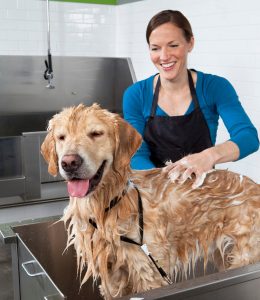
Brushing does far more than keep fur looking glossy and neat. Specifically, regular brushing distributes natural skin oils throughout the fur, removes dead skin cells, and prevents painful matting. Furthermore, it allows you to inspect your pet’s body for unusual lumps, ticks, or skin irritations.
-
Short-Haired Breeds: Brush 1 to 2 times per week using a soft bristle brush or a rubber grooming mitt.
-
Long-Haired Breeds: Brush daily with a slicker brush and undercoat rake to prevent knots.
-
Cats: Even though felines self-groom, regular brushing significantly reduces hairballs and prevents skin irritation.
Smart Bathing Schedules
While keeping fur clean is crucial, over-bathing can actually cause harm. Bathing your animal too frequently strips away the natural protective lipid layer of the skin, leading to chronic dryness, itching, and scaling.
Therefore, stick to a realistic schedule:
-
Wash dogs once every 4 to 8 weeks, depending on their activity level and coat type.
-
Always select a pH-balanced shampoo formulated specifically for animals rather than human soaps.
-
Warm water should always be preferred over hot water to protect sensitive skin tissues.
Applying these simple pet hygiene tips during bath time prevents dry skin and keeps the coat resilient against outdoor pollutants.
2. Dental Health and Oral Care Routine
Periodontal disease affects nearly 80% of dogs and 70% of cats by the age of three. Unfortunately, oral bacteria do not remain confined to the mouth; instead, they can enter the bloodstream and potentially damage the heart, liver, and kidney functions over time. Dental wellness is another critical area where proactive pet hygiene tips make a life-saving difference.
Step-by-Step Tooth Brushing Guide
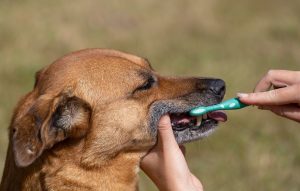
Brushing your pet’s teeth might initially feel challenging, but with patience and positive reinforcement, it quickly becomes a painless daily habit.
-
Select Pet-Safe Enzymatic Toothpaste: Never use human toothpaste, because ingredients like xylitol or fluoride are toxic to animals.
-
Introduce the Routine Gradually: Start by letting your pet lick a tiny dab of toothpaste off your finger so they associate the flavour with a treat.
-
Focus on the Outer Surfaces: Gently lift the lip and brush the outer teeth in circular motions. Since plaque accumulates fastest on the outside surfaces, focus your effort there.
-
Reward Success: Always follow every dental session with praise, affection, or a healthy chew reward.
Complementary Oral Care Tools
In addition to manual brushing, consider integrating veterinarian-approved dental chews, water additives, and specialised chew toys. For authoritative guidelines on veterinary dental standards, you can review recommendations from the American Veterinary Medical Association (AVMA).
3. Paw, Nail, and Ear Maintenance
Paws and ears are frequent hotspots for bacterial and fungal growth because moisture easily gets trapped in these areas. As a result, paying steady attention to these areas avoids uncomfortable infections.
Paw Safety and Nail Trimming
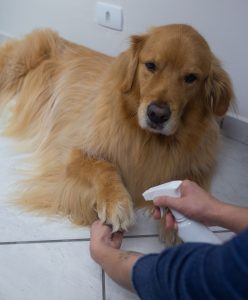
Overgrown nails can distort your animal’s gait, leading to joint pain, skeletal misalignment, or painful nail tears. Additionally, cracked paw pads make walking uncomfortable and expose the tissue to infection.
Pro Tip: Trim nails every 3 to 4 weeks. If you hear a distinctive clicking noise when your companion walks across hard floors, their nails are already too long!
Furthermore, make it a habit to wipe down paws after outdoor walks. Doing so removes harmful fertilisers, pesticides, de-icing salts, and hidden allergens before your animal licks their paws clean.
Ear Cleaning Fundamentals
Ear canals require gentle routine checks, especially for breeds with long, floppy ears like Spaniels or Retrievers.
To clean ears safely:
-
Apply a doctor-recommended ear cleaning liquid directly into the ear canal.
-
Gently massage the base of the ear for 20 seconds to dissolve trapped wax and buildup.
-
Allow your animal to shake its head freely.
-
Wipe away remaining dirt from the outer ear flap using a clean cotton pad.
-
Never insert cotton swabs deep into the ear canal, as this can rupture the eardrum.
4. Sanitation and Environmental Cleanliness
A clean animal residing in an unhygienic home environment will inevitably contract recurring skin or digestive issues. Consequently, maintaining pristine living spaces is just as vital as grooming the animal itself.
Bedding, Crates, and Toys
Pet bedding rapidly collects dander, shed hair, flea larvae, and dust mites. Therefore, wash all removable bed covers and fabric toys in hot water at least once every two weeks using an unscented, hypoallergenic laundry detergent.
Furthermore, keeping clean sleeping areas represents one of the most overlooked pet hygiene tips in home care. Be sure to disinfect hard plastic crates, rubber toys, and play surfaces weekly with non-toxic solutions.
Litter Box and Waste Sanitation
For feline households, litter box sanitation directly influences behavioural habits and urinary tract health.
-
Scoop the litter box daily to remove waste.
-
Wash the entire plastic box with warm soapy water once a month.
-
Replace plastic boxes annually, because fingernail scratches harbour bacteria over time.
-
For dogs, pick up waste in the yard promptly to discourage parasites like roundworms or giardia from cycling back through the soil.
5. Nutrition, Internal Wellness, and Diet Integration
Proper external hygiene relies heavily on internal health. A balanced diet nourishes skin cell membranes, maintains coat lustre, and keeps digestion regular. For deeper insights into holistic health, explore our guides on best dog food to find formulas tailored to specific life stages.
| Health Factor | Key Nutrient / Practice | Hygienic Benefit |
| Coat Elasticity | Omega-3 & Omega-6 Fatty Acids | Reduces dander, excessive shedding, and dry skin flaking. |
| Gut Health | Probiotics & Prebiotic Fibres | Minimises foul gas, digestive upset, and poor stool consistency. |
| Hydration | Fresh Filtered Water | Flushes toxins through kidneys and keeps oral tissues moist. |
Proper dog feeding schedule and clean water bowls prevent bacterial slime from developing in food dishes. Always wash stainless steel or ceramic food bowls daily in hot, soapy water.
To learn more about general pet welfare standards, check out the comprehensive ASPCA Pet Care Guidelines.
6. Seasonal Hygiene Adjustments
Different seasons present unique challenges for animal care. Therefore, adjusting your routines based on environmental conditions keeps your companion protected year-round.
Summer Care Essentials
During warm weather, outdoor trips bring increased exposure to parasites, heat, and humidity.
-
Inspect coat thoroughly for ticks, fleas, and burrs after outdoor hikes.
-
Rinse off saltwater or chlorine immediately after swimming sessions.
-
Trim excess fur between toe pads to promote natural sweating and prevent heat buildup.
Winter Hygiene Strategies
Conversely, cold weather introduces dry indoor heat, freezing mud, and toxic chemical ice melts.
-
Apply protective paw balm before cold walks to avoid painful ice cracking.
-
Dry off damp coats immediately upon returning indoors to prevent skin chills.
-
Use indoor humidifiers to relieve dry, itchy winter skin.
Additionally, managing an active dog lifestyle during seasonal transitions requires adjusting wash cycles and coat protection strategies accordingly.
Summary Checklist for Owners
To keep your daily routine organised and stress-free, refer to this handy weekly maintenance schedule:
-
Daily:
-
Brush teeth with enzyme toothpaste.
-
Wipe down paws after outdoor walks.
-
Scoop litter boxes and dispose of yard waste.
-
Wash food and water bowls.
-
-
Weekly:
-
Perform a thorough hair coat brushing session.
-
Check ears for redness, odour, or excess wax buildup.
-
Inspect skin for ticks, fleas, or unusual bumps.
-
-
Monthly:
-
Trim nails safely before they touch the ground.
-
Wash pet bedding, fabric toys, and crate mats in hot water.
-
Administer veterinarian-prescribed flea, tick, and heartworm preventatives.
-
Conclusion
Ultimately, taking proactive care of your animal companion is one of the highest expressions of love you can offer. By consistently implementing these pet hygiene tips, you ensure a longer, happier, and far more comfortable life for your furry companion while keeping your home fresh and inviting.