
Many pet owners are switching to raw dog food because they want to provide a more natural diet for their dogs. Supporters of raw feeding believe that dogs thrive on fresh meat, bones, and organs similar to what their ancestors consumed in the wild. However, before making the transition, it is important to understand both the advantages and potential risks involved.
In this comprehensive guide, you’ll learn what natural dog food is, its benefits, possible concerns, feeding guidelines, and how to determine whether this diet is right for your dog.
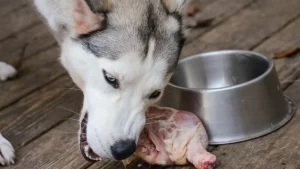
What Is Raw Dog Food?
Fresh Dog Food is a diet primarily made from uncooked animal ingredients. These diets often include:
- Muscle meat
- Organ meats
- Raw edible bones
- Fish
- Eggs
- Vegetables
- Fruits
- Supplements
The goal is to mimic the diet that wild canines would naturally consume.
The most common raw feeding methods include:
BARF Diet
BARF stands for:
Biologically Appropriate Raw Food or Bones and Raw Food
This approach combines raw meat, bones, vegetables, fruits, and supplements.
Prey Model Raw Diet
This method attempts to replicate an entire prey animal and generally follows:
- 80% muscle meat
- 10% edible bone
- 10% organ meat
Many raw feeders prefer this simpler feeding style because it focuses heavily on animal-based ingredients.
Why Is Raw Dog Food So Popular?
The popularity of raw dog food has increased significantly in recent years.
Many pet owners are seeking alternatives to highly processed commercial kibble. Additionally, social media, online communities, and pet nutrition advocates have contributed to the growing interest in raw feeding.
Some owners report noticeable improvements in:
- Coat condition
- Energy levels
- Dental health
- Digestive function
- Stool quality
However, individual results can vary from dog to dog.

Potential Benefits of Raw Dog Food
1. Improved Coat and Skin Health
Many dog owners notice shinier coats after switching to raw dog food.
This may occur because raw diets often contain:
- Higher-quality protein
- Natural fats
- Omega-3 fatty acids
These nutrients help support healthy skin and a glossy coat.
2. Better Dental Health
Chewing raw meaty bones may help reduce plaque buildup.
As dogs chew, the mechanical action can naturally clean their teeth and massage their gums.
Nevertheless, supervision is essential whenever dogs consume bones.
3. Smaller and Firmer Stools
Raw-fed dogs often produce less waste because many raw ingredients are highly digestible.
As a result, stools may become:
- Smaller
- Firmer
- Less odorous
4. Increased Muscle Development
Raw dog food typically contains high levels of animal protein.
Protein supports:
- Muscle growth
- Tissue repair
- Overall body condition
Active dogs may particularly benefit from adequate protein intake.
5. Greater Ingredient Transparency
One reason pet owners choose raw feeding is knowing exactly what goes into their dog’s meals.
Instead of relying on vague ingredient lists, owners can select fresh ingredients themselves.</p>
>
Possible Risks of Raw Dog Food
Although raw dog food offers potential benefits, it is important to understand the risks.
Bacterial Contamination
Raw meat can contain harmful bacteria such as:
- Salmonella
- E. coli
- Listeria
These pathogens may affect both pets and humans.
Proper food handling and hygiene are critical.
Nutritional Imbalances
Homemade raw diets can become nutritionally incomplete if not properly formulated.
Dogs require specific amounts of:
- Calcium
- Phosphorus
- Vitamins
- Minerals
- Essential fatty acids
An unbalanced diet may cause long-term health issues.
Bone-Related Injuries
Raw bones can sometimes lead to:
- Choking
- Dental fractures
- Gastrointestinal obstruction
Therefore, selecting appropriate bone sizes is extremely important.
Not Suitable for Every Household
Families with:
- Young children
- Immunocompromised people
should carefully evaluate the risks associated with handling raw meat.
What Ingredients Are Commonly Used in Raw Dog Food?
A balanced Fresh Dog Food diet typically includes multiple ingredient categories.
Muscle Meat
Examples include:
- Beef
- Chicken
- Turkey
- Duck
- Lamb
- Venison
Muscle meat provides protein and essential amino acids.
Organ Meat
Popular choices include:
- Liver
- Kidney
- Heart
- Spleen
Organ meats are nutrient-dense and rich in vitamins.
Raw Bones
Suitable bones may include:
- Chicken necks
- Duck necks
- Chicken wings
Cooked bones should never be fed because they can splinter.
Fish
Fish offers valuable omega-3 fatty acids.
Examples include:
- Sardines
- Mackerel
- Salmon
Vegetables
Many BARF diets include vegetables such as:
- Spinach
- Kale
- Broccoli
- Carrots
- Zucchini
Fruits
Safe fruits include:
-
- Blueberries
- Apples
- Strawberries
- Bananas
Avoid grapes and raisins because they are toxic to dogs.

How to Start a Raw Dog Food Diet
Transitioning gradually helps reduce digestive upset.
Step 1: Consult Your Veterinarian
Before making significant dietary changes, consult a veterinary professional familiar with canine nutrition.
You can learn more about pet nutrition through the American Veterinary Medical Association.
Step 2: Choose a Feeding Method
Decide whether you will use:
-
-
- Commercial raw food
- Homemade raw food
- BARF diet
- Prey model diet
-
Step 3: Transition Slowly
Begin by mixing small amounts of raw food with your dog’s current diet.
Increase the proportion gradually over 7–14 days.
Step 4: Monitor Your Dog
Watch for:
-
-
-
-
-
-
- Stool quality changes
- Weight fluctuations
- Skin condition
- Energy levels
-
Adjust feeding as necessary.
-
-
-
-
Commercial Raw Dog Food vs Homemade Raw Dog Food
Commercial Raw Dog Food
Pros:
-
-
- Convenient
- Nutritionally balanced
- Easy storage options
-
Cons:
-
-
- More expensive
- Less customization
-
Homemade Raw Dog Food
Pros:
-
-
- Complete ingredient control
- Flexible meal planning
-
Cons:
-
-
- Requires research
- Time-consuming preparation
- Higher risk of nutritional imbalance
-
For beginners, commercial raw diets are often easier to manage.
How Much Raw Dog Food Should You Feed?
Most adult dogs consume approximately:
Adult Dog:
-
- 2%–3% of ideal body weight daily
Example:
A 50-pound dog may eat:
-
-
- 1–1.5 pounds of food per day
-
Puppies
Puppies generally require:
- 5%–10% of body weight daily
Because growth demands are higher, careful nutritional planning is essential.
Dogs That May Benefit from Unprocessed Dog Food
Some dogs may respond well to raw feeding, including:
-
-
- Active working dogs
- Sporting dogs
- Dogs with food sensitivities
- Highly energetic breeds
-
However, every dog is different.
A personalised approach is always best.
Dogs That May Need Special Consideration
Raw feeding may not be ideal for:
-
-
-
- Dogs with compromised immune systems
- Dogs with certain medical conditions
- Senior dogs with complex health issues
-
Veterinary guidance becomes especially important in these situations.
-
Common Myths About Raw Dog Food
Myth 1: All Dogs Need Raw Food
Not true.
Many dogs live long, healthy lives on high-quality commercial diets.
Myth 2: Raw Feeding Is Always Dangerous
When properly handled and balanced, risks can be reduced significantly.
Myth 3: Raw Food Instantly Fixes Health Problems
No diet is a miracle solution.
Nutrition is only one part of overall canine health.
Myth 4: Wolves Eat Raw Therefore Dogs Should Too
Modern dogs have evolved alongside humans for thousands of years.
While they share ancestry with wolves, their nutritional needs are not identical.
Safety Tips for Feeding Natural Dog Food
To reduce risks:
-
-
- Wash hands thoroughly
- Sanitise food preparation surfaces
- re meat at safe temperatures
- Use separate utensils
- Discard spoiled food immediately
- Purchase ingredients from reputable sources
-
Can puppies eat a raw meat-based diet?
Yes, but the diet must be properly balanced for growth and development.
Is fresh dog food better for allergies than commercial kibble?
Some dogs experience improvement when switching proteins or eliminating certain ingredients.
Is commercial raw dog food safe?
Commercial products from reputable manufacturers typically undergo safety testing and nutritional formulation.
Final Thoughts
Fresh dog food remains one of the most debated topics in canine nutrition. Supporters appreciate the natural ingredients, high protein content, and ingredient transparency. Meanwhile, critics emphasise food safety concerns and the importance of nutritional balance.
Ultimately, the best diet is one that meets your dog’s nutritional requirements, supports long-term health, and fits your household’s lifestyle. Whether you choose commercial raw food or prepare meals at home, proper planning and veterinary guidance are essential.
When implemented responsibly, a raw dog food diet can be a viable option for many dogs and their owners.