

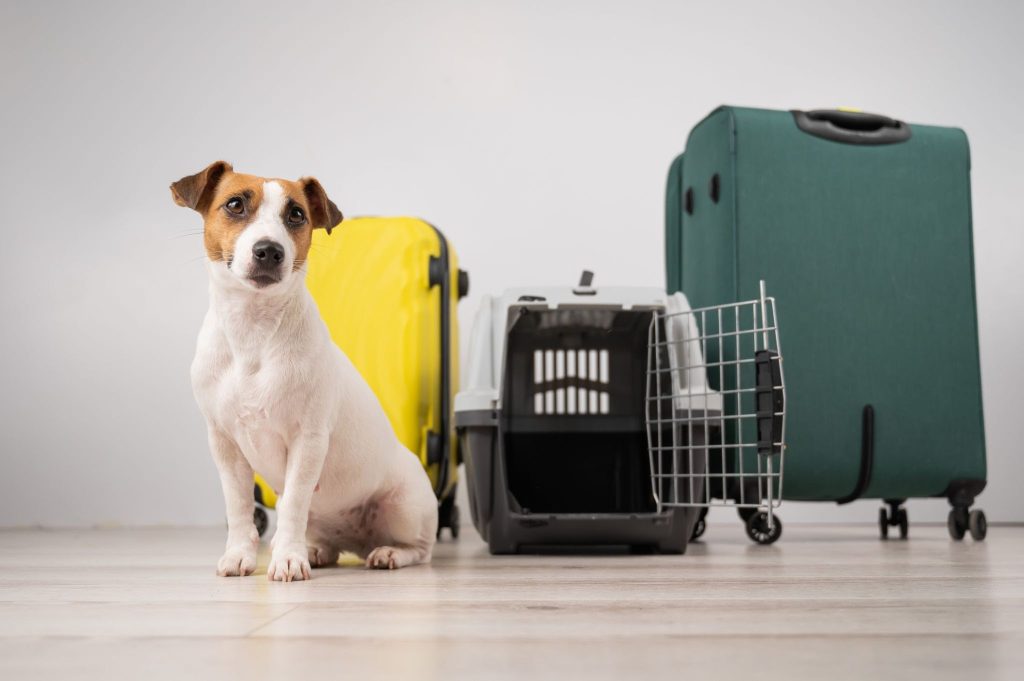
Packing your bags for a long vacation or a quick weekend getaway is always exciting. However, leaving your four-legged family members behind can quickly turn that excitement into guilt. Fortunately, travelling with pets has become significantly easier in recent years. More hotels, parks, and outdoor venues now welcome domestic animals with open arms.
Consequently, taking your furry companion along on your journeys allows you to create unforgettable memories together. However, a successful adventure requires careful preparation, clear organisation, and a solid understanding of your animal’s unique needs. Therefore, proper planning ensures that both you and your pet enjoy a seamless, stress-free road trip or flight.
In this comprehensive guide, we will explore everything you need to know about setting off on an adventure with your domestic companions. Furthermore, we will dive into key aspects of pet care, including choosing the best dog food options for trips, mastering proper dog feeding routines away from home, and maintaining a balanced, active dog lifestyle while on the road.
Essential Pre-Trip Planning for Travelling With Pets
Before you rev up the car engine or buy plane tickets, you must lay down proper groundwork. Skipping basic preparations often leads to unnecessary stress and last-minute panic.
1. Schedule a Visit to the Veterinarian
First and foremost, book an appointment with your veterinarian at least two to three weeks prior to departure. Furthermore, ensure that all core vaccinations are fully up to date. You should request a copy of your animal’s health certificate and vaccination history, especially if you are crossing state lines or flying.
In addition, when travelling with pets, discuss any travel-related anxiety or motion sickness with your vet. As a result, they can prescribe gentle calming supplements or anti-nausea medications if necessary.
2. Update Identification and Microchip Data
Moreover, when travelling with pets, double-check that your pet’s physical ID tags are legible and contain your current phone number. Because you will be far from home, updating the contact details registered to your animal’s microchip is equally critical. If your pet happens to wander off in unfamiliar territory, updated contact information remains your best safety net.
3. Essential Packing List
When you assemble your luggage, create a dedicated gear bag for your pet so everything remains easy to reach.
| Essential Category | Items to Include |
| Safety & Control | Sturdy leash, back-up harness, crate or seatbelt tether |
| Comfort & Rest | Portable bed, favourite blanket, familiar chew toys |
| Health & Hygiene | Waste bags, pet-safe wipes, grooming brushes, first-aid kit |
| Nutrition | Portable bowls, sealed food containers, bottled water |
Road Trips: Keeping Your Pet Safe and Comfortable
Road trips offer fantastic flexibility, making them one of the most popular ways to explore the country with animals. Nevertheless, keeping your companion secure inside the vehicle must remain your top priority.
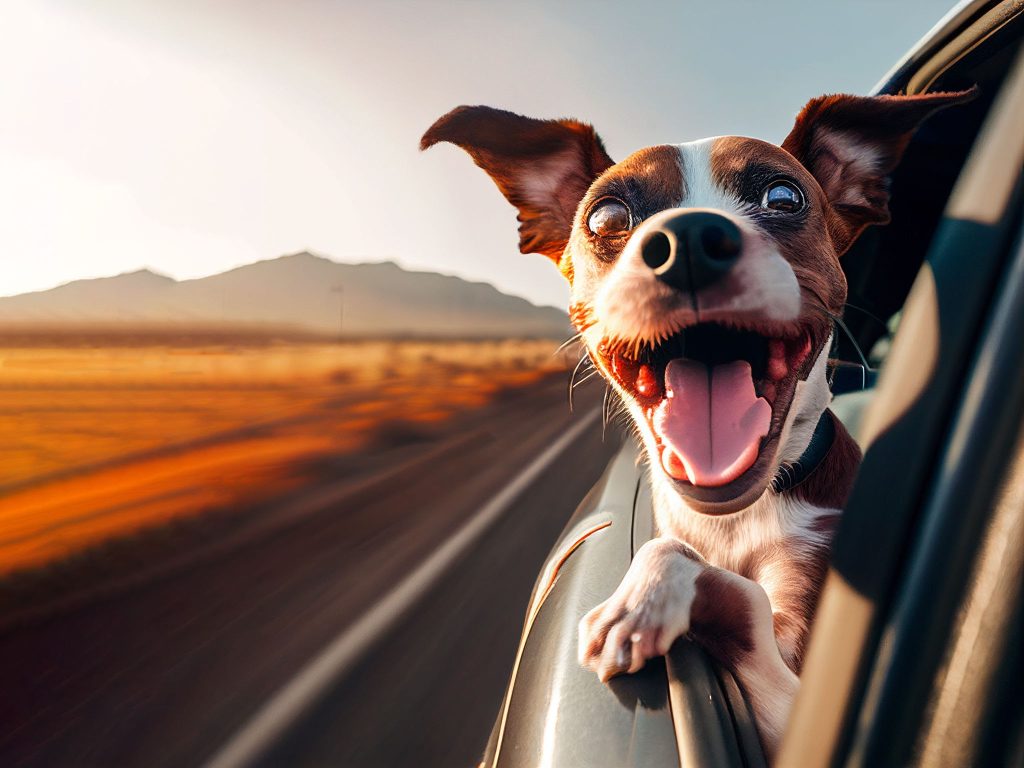
Secure Restraints Are Non-Negotiable
Although it looks adorable when a dog hangs its head out of a moving vehicle window, this habit poses severe safety risks. Flying road debris can injure sensitive eyes and ears. Furthermore, sudden braking can throw an unrestrained animal into the windshield or front seats.
Therefore, always secure your pet using a crash-tested harness attached to the seatbelt, or place them inside a securely anchored crate. Consequently, this keeps your passenger cabin safe and minimises driver distraction. For official guidance on vehicle safety and pet travel, you can consult the American Kennel Club Travel Safety Guidelines.
Schedule Frequent Rest Breaks
In addition to physical safety, prioritise comfort during long drives. Plan your route to include stops every two to three hours. These breaks give your pet a chance to stretch their legs, hydrate, and use the restroom. Furthermore, always keep your dog on a leash during rest stops, as unfamiliar highway noise can easily startle even the calmest animal.
Nutrition on the Move: Meals and Hydration
Maintaining a consistent diet while on the road keeps your companion healthy, energised, and free from digestive upset. Changes in environment can stress a pet’s stomach, so keeping their food routine predictable is crucial.
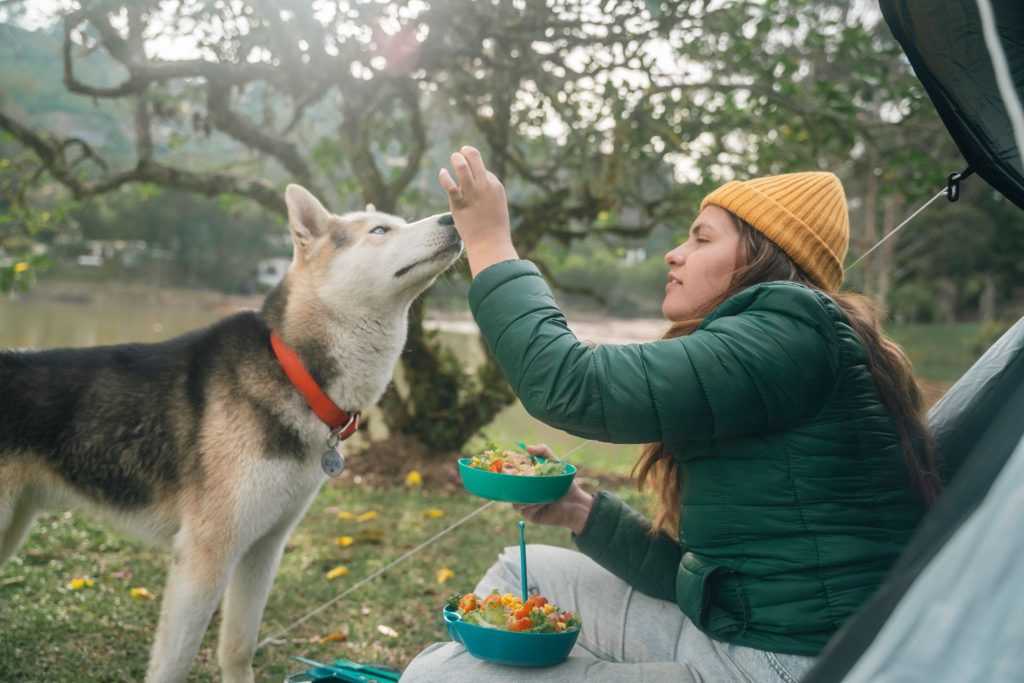
Choosing the Best Dog Food for Travel
When you prepare for extended trips, select meals that are both nutritious and convenient to pack. Choosing high-quality kibble or freeze-dried raw food options often works best because they do not require refrigeration. For a detailed breakdown of balanced ingredients and veterinary-approved brands, check out our guide on choosing nutritious pet food.
To prevent stomach distress, when travelling with pets, avoid switching to a new food brand right before or during your vacation. Instead, bring plenty of your pet’s regular food stored in airtight containers to preserve freshness.
Mastering Proper Dog Feeding Routines
Equally important to what you feed your animal is how and when you feed them.
-
Avoid Feeding Right Before Drives: Serve major meals at least three hours before hitting the road. This practice significantly reduces the chances of motion sickness and car nausea.
-
Stick to Your Regular Schedule: Feed your companion at the same times you would at home. Predictable timing creates a sense of security in new environments.
-
Offer Bottled Water: Tap water from unfamiliar regions can sometimes trigger mild gastrointestinal upset due to differing mineral contents. Therefore, bringing bottled water ensures consistency.
Supporting an Active Dog Lifestyle on the Road
Maintaining a healthy dog lifestyle does not have to stop just because you are staying in a hotel or rental home. In fact, keeping up with regular physical activity helps burn off nervous energy, making your pet much more relaxed during downtime.
Pro Tip: A tired pet is a happy traveler. Engaging in a brisk 20-minute walk right after arriving at a new hotel or cabin helps your animal settle into the new environment without anxiety.
Finding Pet-Friendly Activities
When researching your destination, look for activities that welcome four-legged guests:
-
Dog-Friendly Hiking Trails: Check local park guidelines beforehand to confirm leash rules and trail difficulty.
-
Dog Parks and Beaches: Excellent spots for off-leash exercise, provided your pet has reliable recall skills.
-
Patio Dining: Many cafes and breweries happily accommodate leashed dogs in outdoor seating zones.
Furthermore, ensure you carry a collapsible water bowl and waste disposal bags whenever you explore new locations. For comprehensive lists of pet-welcoming establishments nationwide, explore resources available on BringFido Pet Travel Directory.
Managing Travel Anxiety and Environmental Changes
Even the most adaptable animals can feel overwhelmed by unfamiliar sights, sounds, and smells. Therefore, managing environmental stress is vital to keeping your trip enjoyable for everyone involved.
Here is the behavioural calming strategies section rewritten as a clean, structured table:
| Behavioural Calming Strategy | Description & How to Use |
| Familiar Comfort Items | Pack unwashed blankets or favourite toys to provide familiar scents from home, easing anxiety in new environments. |
| Quiet Safe Zone | Designate a dedicated, low-traffic area inside hotels or rental units where your pet can rest undisturbed. |
| Pheromones & Compression | Use pet-safe calming pheromone sprays or fit a compression vest (like a Thundershirt) to reduce travel stress. |
| Soft Ambient Music | Play soothing music or white noise during long car rides to mask sudden highway or traffic sounds. |
Hotel and Lodging Etiquette
When staying in shared accommodations, respecting other guests is essential. To learn more about navigating pet-friendly hotel policies smoothly, read our article on stress-free pet lodging tips.
-
Never Leave Pets Unattended Immediately: Give your pet time to adjust to the new room before leaving them alone.
-
Prevent Unnecessary Barking: Hallway noises can trigger protective barking. Leaving a TV or white noise machine running helps mask outside sounds.
-
Protect Hotel Furniture: Use extra blankets to cover beds and couches if your pet insists on jumping up.
Frequently Asked Questions
Is flying safe for my dog or cat?
Flying can be safe, but it depends heavily on your pet’s size, breed, and temperament. Small pets that fit in an under-seat carrier generally tolerate cabin travel well. However, cargo travel poses risks for brachycephalic (short-nosed) breeds like Bulldogs or Pugs due to breathing challenges. Always consult your vet before booking air travel.
How do I prevent my dog from getting car sick?
To minimise car sickness, keep your pet facing forward using a secure harness. Keep the car well-ventilated, maintain a cool temperature, and avoid giving large meals right before driving. Additionally, asking your veterinarian for anti-nausea medication can work wonders for sensitive stomachs.
Conclusion: Ready for the Open Road
Ultimately, travelling with pets requires extra effort and thoughtful coordination, but the rewards are well worth it. By securing proper health clearances, packing the right supplies, maintaining a healthy diet, and keeping up with an active lifestyle, you set the stage for an incredible journey together. So grab the leash, pack the treats, and head out on your next great adventure with your favourite furry co-pilot!