

A long, healthy, and energetic life starts with the right nutrition. Choosing high-quality dog food provides the essential nutrients your furry companion needs to thrive at every stage of life. Because your dog relies entirely on you for their daily nutrition, choosing the right meal option remains one of your most critical responsibilities. However, navigating the pet food aisle can quickly become overwhelming. Commercial packaging often boasts glossy images of pristine chicken breasts and fresh garden vegetables, but the actual list on the back often tells a very different story. Consequently, knowing how to evaluate dog food ingredients can protect your pet from silent health risks, ranging from digestive distress and chronic allergies to severe systemic disease.
When manufacturers formulate commercial kibble, profit margins and shelf stability frequently take precedence over optimal biological health. Therefore, harmful additives, low-grade protein sources, and chemical preservatives routinely end up inside the bowl. By learning which specific red-flag components to steer clear of, you gain full control over your dog’s long-term wellness.
In this comprehensive guide, we will unpack the worst additives hiding in commercial formulas, explain how to read pet labels like a professional nutritionist, and highlight wholesome alternatives that keep your pup thriving.
How to Read and Evaluate Dog Food Ingredients
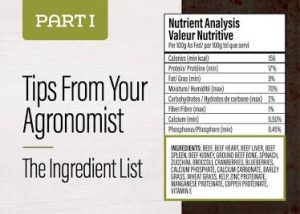
Understanding how to read a pet food label is your first line of defence against subpar nutrition. Fortunately, regulatory agencies mandate that pet food manufacturers list ingredients in order of weight before cooking. This simple rule reveals the true base of any commercial recipe.
The Order of Weight Rule
Because raw meats contain high water content, they weigh significantly more before processing. Consequently, a manufacturer might list “deboned chicken” as the first item, creating the illusion of a protein-rich meal. However, once moisture is removed during high-heat extrusion, that meat component shrinks drastically. As a result, the secondary ingredients—such as corn meal, wheat, or soy—often make up the majority of the finished kibble.
Decoding Marketing Buzzwords
Marketing terms on the front of the bag can often mislead well-intentioned pet parents. For instance, terms like “natural,” “premium,” or “gourmet” carry minimal regulatory enforcement. Rather than trusting front-of-package claims, you should immediately turn the bag around to inspect the guaranteed analysis and exact composition list.
Furthermore, you should watch out for “ingredient splitting.” This trick occurs when a manufacturer divides a single low-quality component into multiple smaller entries—such as corn gluten meal, ground yellow corn, and corn flour. Because each portion weighs less individually, the manufacturer can place whole meat at the top of the list, even though corn dominates the overall formula.
Key Takeaway: Always evaluate the first five entries on the bag. If those top slots consist primarily of vague meat meals, artificial preservatives, or split grains, the formula is likely lacking in species-appropriate nutrition.
1. Dangerous Chemical Preservatives for Dog Food Ingredients
Dry dog kibble needs to stay shelf-stable for months during shipping and storage. However, the chemical compounds used to prevent fats from spoiling can carry significant health risks for your pet.
BHA and BHT (Butylated Hydroxyanisole & Butylated Hydroxytoluene)
BHA and BHT are synthetic chemical antioxidants routinely added to oils and animal fats in commercial kibble. Although they effectively prevent rancidity, extensive scientific research links these compounds to organ stress and cellular damage.
Specifically, both BHA and BHT are listed by California’s Proposition 65 as potential carcinogens. Because dogs consume the exact same food day after day, chronic exposure to these chemicals allows toxins to accumulate slowly in the liver and kidneys.
Ethoxyquin
Originally developed as a pesticide, ethoxyquin is a chemical preservative used to prevent fat oxidation in fish meal. Although the Association of American Feed Control Officials regulates its concentration, ethoxyquin continues to raise alarms among veterinary researchers.
In fact, dogs exposed to prolonged ethoxyquin ingestion have shown elevated liver enzymes, kidney damage, and skin allergies. Furthermore, manufacturers are not always required to list ethoxyquin on the bag if it was added to the fish meal by a third-party supplier before arriving at the factory. Therefore, you should always look for brands that explicitly guarantee ethoxyquin-free fish sourcing.
Propylene Glycol
Often found in semi-moist dog foods and soft treats, propylene glycol is a synthetic liquid that absorbs water and maintains a chewy texture. While it is less toxic than its chemical cousin ethylene glycol (anti-freeze), propylene glycol can still cause gastrointestinal upset and red blood cell damage when consumed over long periods. Healthy diets do not require synthetic moistening agents.
2. Low-Quality Meat Sources and Unnamed By-Products for dog food ingredients
Dogs require high-quality animal protein to support muscle development, immune function, and organ health. However, cheap pet foods often rely on vague, heavily processed animal rendering by-products to boost their protein percentages.
Here is that protein quality breakdown reformatted into a clean, easy-to-read table:
| Quality Level | Protein Source Examples | Description / What to Expect |
| High | Deboned Chicken, Beef Heart, Salmon | Whole, highly bioavailable meat sources rich in essential nutrients. |
| Medium | Named Meat Meals (e.g., Lamb Meal, Turkey Meal) | Concentrated protein with moisture removed; safe when the animal species is clearly specified. |
| Low | Unnamed Meat & Bone Meal, Animal Digest | Highly processed, low-grade protein sources with mystery origins and variable quality. |
| Avoid | 4D Meats (Dead, Dying, Diseased, Disabled), Unspecified Rendered Fat | Lowest-quality slaughterhouse offal and untraceable fats carrying potential health hazards. |
Unnamed Meat and Bone Meal
When an ingredient label simply states “meat meal,” “animal meal,” or “poultry by-product,” you should immediately put the bag back on the shelf. The word “animal” or “meat” without a specified species (such as chicken, beef, or lamb) means the source is completely untraceable.
These mystery meats typically come from rendering plants. In those facilities, discarded biological material from various sources is cooked down into a uniform dry powder. Consequently, you have no way of knowing what animal species your dog is ingesting, which makes managing food sensitivities nearly impossible.
The Truth About 4D Meats
In low-grade commercial rendering operations, tissues can originate from what the industry calls “4D” animals: Dead, Dying, Diseased, or Disabled livestock. Although high-heat processing kills active pathogens, the resulting powder is stripped of vital nutrients and often contains chemical residues. To protect your pet, insist on named meat meals—such as deboned salmon or turkey meal—where the species source is clear and verified.
Rendering Fat and Animal Digest
To make bland, over-processed kibble appealing to dogs, manufacturers frequently spray the exterior pieces with rendered animal fat or “animal digest.” Animal digest is a chemically hydrolysed broth created from unspecified animal parts. Because its origin is anonymous, it presents a constant hazard for pets suffering from chronic cutaneous or digestive allergies.
3. Fillers, Excessive Grains, and High-Glycemic Carbs
While dogs can digest processed carbohydrates, excessive levels of refined grains and high-glycemic starches can lead to chronic inflammation, obesity, and insulin resistance.
Corn, Wheat, and Soy
Corn, wheat, and soy dominate low-cost kibble formulas because they are extremely cheap and act as binding agents during manufacturing. However, these crops offer low biological value compared to real animal protein. Furthermore, they represent some of the most common dietary triggers for canine skin irritations, chronic ear infections, and soft stools.
Moreover, heavy reliance on corn gluten meal artificially inflates the total protein percentage listed on the guaranteed analysis, deceiving pet parents into thinking the food contains ample real meat.
High-Glycemic White Flour and Rice Flour
Simple starches like white flour, white rice, and tapioca starch rapidly break down into simple sugars inside your dog’s digestive system. Consequently, they cause rapid spikes in blood glucose levels. Over time, feeding high-glycemic carbohydrates can contribute to:
-
Canine obesity and joint strain
-
Insulin resistance and type-2 diabetes
-
Yeast overgrowth in ears and paws
-
Systemic low-grade inflammation
Instead of refined white starches, look for whole, low-glycemic options like sweet potatoes, lentils, or oats when choosing carbohydrate sources. For a deeper dive into balanced nutrition, check out our guide on canine diet principles and gut health.
4. Artificial Colours, Dyes, and Chemical Flavourings for dog food ingredients
Dogs have roughly 1,700 taste buds compared to human beings, who have nearly 9,000. Because dogs rely far more on their keen sense of smell than visual appearance to evaluate food, artificial food dyes are added strictly to appeal to human buyers.
Red 40, Yellow 5, Yellow 6, and Blue 2
Synthetic artificial colours add zero nutritional value to your dog’s bowl. However, they carry significant health risks. For example, Red 40 and Yellow 6 have been linked to allergic reactions, hyperactivity, and cellular mutations in clinical trials.
Here is the artificial dye chart reformatted into a clean, easy-to-read Markdown table:
| Artificial Dye | Potential Health Impact |
| Red 40 | Hypersensitivity & behavioural issues |
| Yellow 5 (Tartrazine) | Allergic reactions & kidney stress |
| Yellow 6 | Adrenal gland tumours in animal studies |
| Blue 2 | Brain cell alteration in lab trials |
Because bright reddish-brown and green kibble pieces are designed only to look like fresh meat and vegetables to humans, choosing a naturally brown kibble is always the safer, healthier decision.
Synthetic Flavour Enhancers
When pet food relies on high-quality real meat, natural broths, and healthy fats, it does not require artificial flavouring. Ingredients vaguely labelled as “artificial flavours” or “flavour enhancers” hide chemical additives that trick dogs into eating low-nutrient kibble. Always select foods that derive their aroma and taste from natural animal proteins and stocks.
5. Dangerous Sweeteners and Moisture Retainers
Manufacturers sometimes add sweetening agents to low-grade pet foods to enhance palatability and mask sour, low-quality ingredients.
Corn Syrup and High Fructose Corn Syrup
Corn syrup adds empty calories to your dog’s meal without providing essential vitamins or minerals. Furthermore, regular consumption of sweet additives conditions your dog to refuse natural, unflavored whole foods. Over time, high sugar intake leads to dental decay, weight gain, and metabolic imbalances.
Xylitol (Birch Sugar)
While xylitol is strictly prohibited in commercial pet foods by law, it frequently surfaces in human foods like peanut butter, speciality yoghurts, and baked goods that owners share with their pets as treats. Xylitol triggers a massive, rapid release of insulin in dogs, leading to life-threatening hypoglycemia and severe liver necrosis within hours of ingestion.
Crucial Warning: Always read the label of any human food—especially peanut butter—before smearing it inside a toy or using it as a pill pocket. Verify that it contains zero xylitol or birch sugar.
Quick Reference Summary Table for dog food ingredients
To streamline your shopping trips, use this handy reference table to quickly identify red-flag components versus healthy, species-appropriate alternatives:
| Category | Red-Flag Items to Avoid | Healthy Alternatives to Look For |
| Proteins | Unnamed meat meals, animal digest, 4D tissues | Deboned chicken, wild salmon, lamb meal |
| Preservatives | BHA, BHT, ethoxyquin, propylene glycol | Mixed tocopherols (Vitamin E), rosemary extract |
| Carbohydrates | Corn gluten, wheat flour, soy isolate, white rice | Sweet potatoes, whole oats, chickpeas, quinoa |
| Fats | Unspecified animal fat, rendered grease | Named chicken fat, salmon oil, flaxseed oil |
| Additives | Red 40, Yellow 5, corn syrup, artificial flavor | Whole blueberries, cranberries, kelp |
6. Heavy Metals and Controversial Thickeners for dog food ingredients
In wet canned formulas, specific thickeners and binders are used to create smooth gravies and pates. However, certain common binding agents carry growing health concerns among veterinary scientists.
Carrageenan
Carrageenan is an extract derived from red seaweed that serves as a thickening agent in canned pet foods. While natural in origin, degraded carrageenan causes intestinal inflammation, ulcers, and gastrointestinal distress in canine test subjects.
Consequently, many modern premium brands have transitioned toward safer natural binders, such as agar-agar, pumpkin puree, or guar gum. If your dog suffers from sensitive stomach issues or soft stools, switching to a carrageenan-free canned food can produce rapid improvements.
Synthetic Vitamin Supplements (Menadione)
Menadione, often listed on labels as Menadione Sodium Bisulfite Complex, is a synthetic form of Vitamin K3. It is used as a cheap substitute for natural Vitamin K1 and K2. Furthermore, in dog food ingredients, menadione has been linked to liver cytotoxicity and red blood cell damage in mammalian studies. High-quality dog foods obtain Vitamin K naturally from leafy greens, kelp, and liver tissue rather than synthetic chemicals.
The Hidden Threat of Mycotoxins in Grain-Heavy Kibble
Grains stored in large agricultural silos for extended periods are susceptible to mould growth. These moulds produce toxic secondary metabolites known as mycotoxins, with aflatoxins being the most hazardous to canine health.
Because corn and wheat are processed under high heat, the physical mould spores are destroyed, but the heat-stable aflatoxins remain intact. Consequently, dogs fed grain-heavy kibble daily face continuous, low-level exposure to these compounds. Long-term exposure to mycotoxins can cause:
-
Chronic lethargy and loss of appetite
-
Immune system suppression
-
Acute liver toxicity and jaundice
-
Increased risk of gastrointestinal tumours
For safety guidelines on pet food recalls and contaminant warnings, you can review official regulatory updates directly on the FDA animal feed safety portal. Selecting grain-free formulas or kibble made with rigorously tested, human-grade ancient grains drastically lowers the risk of mycotoxin contamination.
How to Transition Your Dog to a Cleaner Diet Safely
Once you inspect your current bag of food and identify subpar ingredients, your immediate impulse might be to replace the bowl’s contents instantly. However, changing a dog’s food too quickly can shock their microflora and trigger severe vomiting or diarrhoea.
Here is that transition schedule reformatted into a clean, easy-to-read Markdown table:
| Transition Phase | Old Food | New Food | Focus / Goal |
| Days 1–3 | 75% | 25% | Gentle introduction to new flavors |
| Days 4–6 | 50% | 50% | Equal mix to allow digestive adaptation |
| Days 7–9 | 25% | 75% | Major switch; monitor stool consistency |
| Day 10+ | 0% | 100% | Full transition complete! |
Step 1: The 10-Day Gradual Transition
To avoid digestive upset, blend the new, cleaner food into the old formula gradually over 7 to 10 days:
-
Days 1 to 3: Mix 25% clean new food with 75% old food.
-
Days 4 to 6: Increase to 50% new food and 50% old food.
-
Days 7 to 9: Adjust to 75% new food and 25% old food.
-
Day 10: Serve 100% clean, wholesome new food!
Step 2: Add Probiotics and Digestive Support
During the transition phase, adding a daily canine probiotic or a spoonful of pure pumpkin puree supports beneficial gut bacteria. This reduces gas, stabilises stool consistency, and makes the dietary switch seamless for your pet’s digestive system.
Step 3: Monitor Coat, Energy, and Stool Quality
Within three to four weeks of completing the transition, you should notice tangible improvements in your dog’s overall health. Look out for these positive markers:
-
Smaller, firmer stools: A clear indicator that your dog’s body is absorbing real nutrients rather than passing bulky grain fillers.
-
Shinier, softer coat: Healthy fats like salmon oil promote skin hydration and reduce dander.
-
Decreased scratching: Eliminating artificial dyes, corn, and soy often resolves mysterious skin itching.
-
Sustained energy levels: Stable blood sugar from low-glycemic carbohydrates prevents energy crashes.
If you are interested in exploring fresh or raw feeding alternatives beyond traditional dry kibble, read our comprehensive overview on transitioning to fresh dog diets.
Important Industry Regulations and Oversight
In the United States, commercial pet food standards are guided by the Association of American Feed Control Officials (AAFCO). While AAFCO establishes nutritional adequacy guidelines, enforcement and safety inspections fall under federal and state jurisdiction.
To ensure your chosen brand adheres to strict quality controls, select companies that conduct voluntary third-party testing for heavy metals, pathogens, and nutrient levels. Furthermore, reviewing the official standards published by the World Small Animal Veterinary Association can help you evaluate whether a pet food company employs qualified veterinary nutritionists on staff.
Frequently Asked Questions
Is grain-free dog food always better?
Not necessarily. While eliminating corn, wheat, and soy is beneficial, some low-cost grain-free foods replace grains with massive quantities of cheap pea protein, tapioca, or potato starch. Always focus on high meat content rather than simply relying on a “grain-free” label.
Are natural preservatives like Vitamin E effective?
Yes! Natural preservatives—often listed as mixed tocopherols, rosemary extract, or citric acid—effectively protect fats from rancidity without threatening your pet’s organ health. While they offer a slightly shorter shelf life than chemical additives like BHA, they are vastly safer for long-term daily consumption.
Why do manufacturers use artificial dyes if they harm dogs?
Artificial colors are added purely to appeal to human shoppers. Bright red, green, and orange kibble tricks buyers into assuming the food contains real meat, vegetables, and carrots. Real, high-quality dog kibble is naturally dark brown.
Can low-quality dog food cause chronic ear infections?
Yes. Cheap fillers like corn, wheat, and soy, alongside high-glycemic starches, can feed systemic yeast overgrowth in a dog’s body. Yeast thrives in warm environments like ear canals and paw pads, leading to recurring infections and severe scratching.
Final Thoughts on Dog Food Ingredients
Your dog’s daily bowl of food is the cornerstone of their overall health, longevity, and happiness. While commercial marketing can make ingredient labels seem confusing, remembering a few core principles will keep your dog safe. Steer clear of synthetic preservatives like BHA, BHT, and ethoxyquin, avoid unnamed mystery meats and 4D rendering products, and reject artificial dyes and sugar syrups.
Instead, invest in foods that prioritise named animal proteins, healthy natural fats, and whole, low-glycemic carbohydrates. By staying vigilant and inspecting every label carefully, you ensure your best friend enjoys a vibrant, healthy life by your side.