

Every pet parent knows the struggle of taking pictures of their beloved furry companions. You pull out your smartphone or camera, hoping to capture that adorable tilted head or joyful tail wag, but as soon as you press the shutter, your pet turns away or blurs into a fuzzy brown streak across your screen. Mastering pet photography requires a unique blend of technical camera knowledge, patience, and a deep understanding of animal behaviour.
Fortunately, taking vibrant, studio-quality pictures of your pets is entirely achievable at home or in the park. Whether you are using a professional DSLR camera or a modern smartphone, applying the right visual techniques will transform your snapshots into breathtaking portraits. In this comprehensive guide, we will explore practical strategies for lighting, camera settings, coaxing natural expressions, and integrating healthy habits so your four-legged model stays energised and happy throughout the shoot.
1. Understanding the Essentials of Pet Photography
Before diving into advanced camera modes, it helps to understand why photographing animals is so notoriously unpredictable. Unlike human models, pets do not follow directions on command, nor do they hold still while you adjust your lighting. Consequently, your approach must be flexible, creative, and fast.
Focus on the Eyes
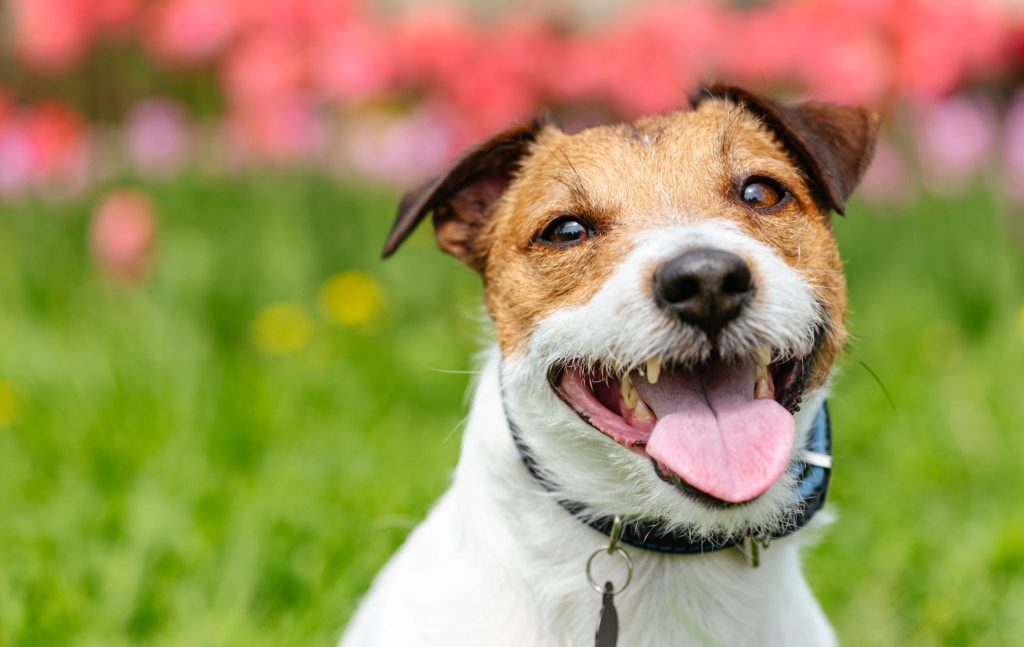
In any portraiture work, the eyes carry the emotional weight of the image. When looking at a photo of a dog or cat, the viewer immediately looks for bright, sharp eyes. Make sure your camera’s focus point is set directly on the eye closest to the lens. If the eyes are crisp and clear, the rest of the photo will naturally feel well-focused and engaging.
Get Down to Their Eye Level
One of the most common mistakes beginners make is taking pictures while standing straight up and looking down at the pet. While this perspective can occasionally produce a cute shot, it often flattens the depth of field and makes the pet look small. Instead, get down on the floor, crawl in the grass, or lie flat on your stomach. Photographing your pet from their eye level opens up a whole new world, placing the viewer directly inside the animal’s perspective.
Utilize Natural Light
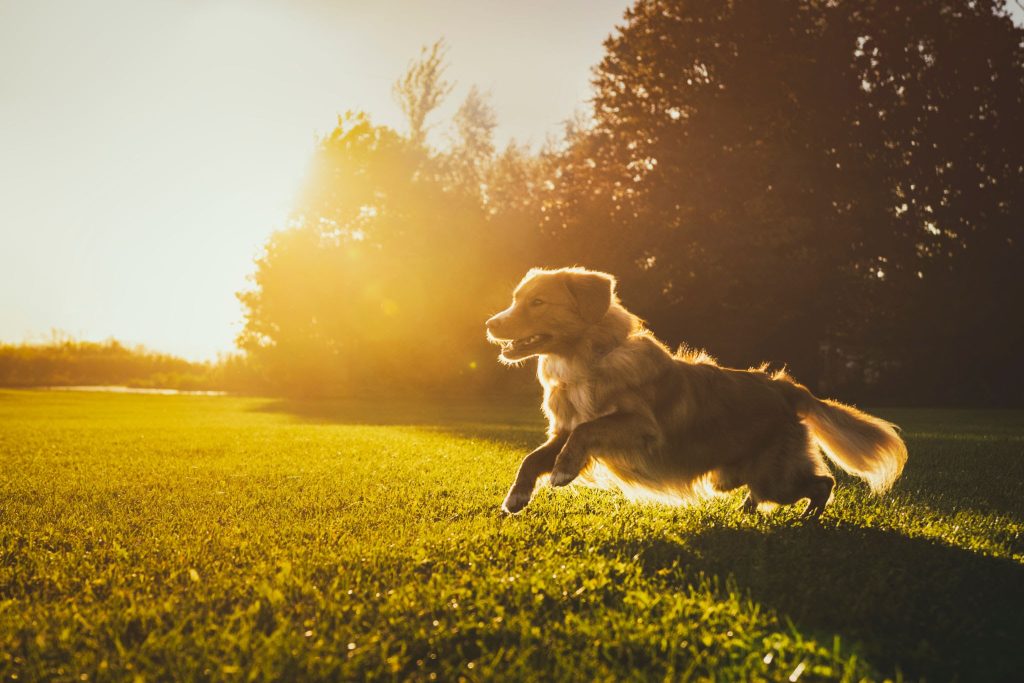
Flash photography can startle pets, cause severe red-eye or green-eye reflections, and flatten the warm tones of their fur. Therefore, natural light is always the preferred choice. Position your pet near a large window indoors or head outside during the golden hour—the hour right after sunrise or right before sunset. Soft, diffused daylight brings out the rich textures in fur without harsh shadows.
2. Mastering Camera Settings and Equipment
While great technique beats expensive gear every time, knowing how to set up your equipment will drastically increase your success rate.
| Setting | Recommended Value | Why It Matters |
| Shutter Speed | 1/500s to 1/2000s | Freezes fast motion and prevents blurry paws |
| Aperture | f/2.8 to f/4 | Creates a soft, blurry background (bokeh) |
| ISO | 100 to 800 (Outdoors) | Keeps image grain low in bright conditions |
| Focus Mode | Continuous / AI Servo | Automatically tracks moving animals |
Shutter Speed and Motion
Animals move quickly and unexpectedly. To freeze action when a dog is running or chasing a toy, set your camera to shutter priority mode and keep your shutter speed at 1/1000s or faster. However, in pet photography, if your pet is resting peacefully on a sofa, you can lower it to 1/250s to let in more ambient light.
Continuous Shooting Mode
Never rely on single-frame shooting when photographing pets. Instead, switch your camera or smartphone to continuous burst mode. Burst mode captures several frames per second, allowing you to catch the exact split-second moment when your pet catches a treat or flashes a goofy smile.
To dive deeper into technical exposure settings and camera gear reviews, check out the in-depth guides at Digital Photography School to level up your photography fundamentals.
3. Creating a Fun Environment with Treats and Toys
A successful shooting session should always feel like play to your animal companion. If your pet becomes bored or stressed, their body language will show it immediately through pinned-back ears or whale eyes.
Squeakers and Noises
To capture that iconic head tilt or alert gaze, bring along novel sounds. A squeaky toy hidden behind your camera lens, a gentle whistle, or making strange noises with your mouth will briefly draw their full attention. However, use these sounds sparingly; once a pet realises the sound doesn’t lead to anything, they will quickly begin to ignore it.
Reward-Based Posing
Keep high-value treats in your pocket or a pouch at your waist. Offer small rewards immediately after a good pose or action shot. This positive reinforcement keeps your pet motivated, enthusiastic, and eager to participate in your creative process.
4. The Role of Nutrition and Health in Pet Photography
A healthy, energetic pet is inherently more photogenic. Brilliant coats, clear eyes, and active body language are all direct reflections of your pet’s overall health and daily care routine.
| Daily Health Input | Direct Visual Benefit | Impact on Your Photos |
| Balanced Nutrition | Shiny fur & clear, bright eyes | Vibrant coat colours & sharp ocular highlights |
| Regular Exercise | Fit posture & playful energy | Dynamic movement & alert expressions |
| Combined Care | Overall health & happiness | Stunning Pet Photography |
Nutrition for a Glossy Coat
If you want your pet’s coat to shine vividly under natural sunlight, proper nutrition is essential. Feeding your dog high-quality meals packed with essential fatty acids like Omega-3 and Omega-6 improves skin health and enhances fur radiance. Selecting the best dog food tailored to your pet’s age and breed ensures they maintain optimal energy levels during active outdoor shoots.
Fueling an Active Dog Lifestyle
A well-balanced routine plays a vital role in how your animal behaves in front of the lens. Integrating structured daily routines, outdoor exploration, and proper dog feeding schedules keeps your companion fit and mentally sharp. Before starting a shoot, engage in a quick play session to burn off excess nervous energy. This helps your pet relax, making it much easier to capture serene, expressive portraits.
To learn more about healthy canine dietary requirements, read the nutritional guidelines provided by the American Kennel Club.
5. Composition, Colour, and Creative Styling
Colour coordination transforms a standard picture into an eye-catching piece of art. Because pet fur comes in neutral tones like brown, black, white, and grey, carefully choosing your backgrounds makes your subject pop.
Utilizing Vibrant Backgrounds
When working outdoors, look for lush green grass, blooming colourful flower beds, or vibrant brick walls. Indoors, try using colourful blankets, patterned rugs, or decorative pillows to frame your pet. Contrast is key: if you have a white dog, position them against a deep blue or vibrant green backdrop so their silhouette stands out.
The Rule of Thirds
Instead of placing your pet dead-centre in every frame, use the rule of thirds to create dynamic compositions. Turn on the grid overlay on your viewfinder or phone screen, and align your pet’s eyes along the upper intersection lines. Leaving open space in the direction your pet is looking gives the image room to breathe and tells a stronger visual story.
6. How to Capture Different Types of Pets
Every species—and every individual animal—has a distinct personality. Adjusting your workflow to match their unique temperament ensures a smoother session.
High-Energy Dogs
For athletic dogs that refuse to sit still, embrace the motion! Rather than fighting their urge to move, plan for action shots. Use a fast shutter speed, set up in an open field, and have an assistant throw a ball toward the camera while you stay low to the ground.
Shy or Anxious Pets
For nervous rescue animals or indoor cats, ditch the loud equipment and sudden movements. Sit quietly in the room for fifteen minutes before taking a single photo, allowing them to sniff your camera and get comfortable with your presence. Use a telephoto zoom lens so you can remain far away while still capturing intimate close-up portraits.
If you are interested in exploring more about living well with your furry family members, check out our companion article on nurturing a healthy dog lifestyle.
Master the Art of Pet Photography
At its heart, capturing stunning images of your four-legged companion is about celebrating the bond you share with them. While learning technical camera settings, using bright backgrounds, and mastering lighting are essential steps, the real magic happens when your pet’s true personality shines through.
By keeping sessions fun, offering plenty of delicious rewards, maintaining a healthy daily routine, and exercising patience, you will build a collection of vibrant portraits that you can cherish for a lifetime. Grab your camera, grab some treats, and head outside to start creating beautiful memories today!