
Let me guess: You just cleaned your wood floors, but they still look dull. Maybe there are streaks, cloudy patches, or a sticky feeling under your feet. Unfortunately, choosing the wrong cleaning product can leave behind residue, damage the finish, or allow too much moisture to reach the wood. With so many products claiming to be “safe for hardwood floors,” it can be difficult to know which ones are actually worth using. That is why I put together this guide to the Top Wood Floor Cleaners. We will look at popular cleaning options, what makes each one useful, which types of flooring they work best on, and the common mistakes you should avoid.
By the end, you will have a much better idea of what to use, what to avoid, and how to keep your wood floors looking clean without damaging their finish.
Why Choosing the Top Wood Floor Cleaner Matters
Your hardwood floor is more than just wood. In most homes, there is a protective finish over the surface. Depending on the floor, that finish may be polyurethane, oil, wax, or another protective coating.
Therefore, when you clean your floor, you are usually cleaning the finish as much as the wood itself.
The wrong product may gradually cause problems. For example, excessive moisture can contribute to swelling or warping, while harsh chemicals may affect the finish over time. Similarly, using too much cleaning solution can leave a sticky or cloudy residue.
A good wood floor cleaner should ideally:
- Be suitable for your specific floor finish
- Leave little or no residue
- Dry relatively quickly
- Require minimal moisture
- Be easy to use
- Avoid unnecessarily harsh ingredients
- Work effectively without repeated scrubbing
Additionally, you should always follow your flooring manufacturer’s care instructions whenever possible. Different finishes and flooring materials can have different cleaning requirements.
For more information about wood flooring care and maintenance, the National Wood Flooring Association is a useful resource.
7 Top Wood Floor Cleaners Worth Considering
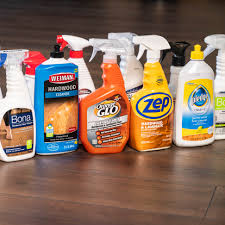
There is no single cleaner that is perfect for every home. Your best choice depends on whether you have sealed hardwood, engineered wood, oiled floors, or another surface.
Here are seven options worth considering.
1. Bona Hardwood Floor Cleaner — Best Overall for Sealed Hardwood
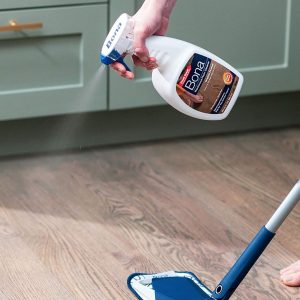
If you have researched wood floor care, you have probably heard of Bona. It is one of the most recognizable names in hardwood floor cleaning and is widely used for routine maintenance.
Bona Hardwood Floor Cleaner is designed for finished wood floors and is convenient for regular cleaning. It can be applied with a suitable mop and is designed to dry relatively quickly.
One of its biggest advantages is simplicity. You do not need to create a complicated DIY mixture or use excessive water. Instead, you can follow the product instructions and clean your floor with minimal moisture.
It is particularly suitable for households that want a straightforward cleaning routine.
Good for: Sealed hardwood floors and regular maintenance
What to watch: Using too much product can leave residue. Always follow the recommended application instructions, & it the most used wood floor cleaners in the world.
My take: If you want a convenient everyday cleaner for a compatible finished hardwood floor, Bona is one of the easiest options to consider.
2. Rejuvenate Professional Wood Floor Cleaner — Best for Dull Floors
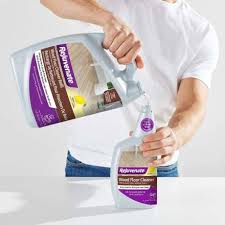
If your floor looks dull and needs more than basic dust removal, Rejuvenate may be worth considering.
However, it is important to understand the difference between cleaning and restoring. A regular floor cleaner removes dirt and surface grime. A restoration product, on the other hand, may be designed to improve the appearance of an aging or dull surface.
Rejuvenate offers products intended for cleaning and floor-care applications. Depending on the specific product, some formulas may provide additional benefits beyond simple cleaning.
However, you should always check the label to make sure the product is compatible with your particular floor.
Good for: Finished wood floors that look dull and need extra care
What to watch: Do not overuse products that leave a coating or finish. Product buildup can eventually make floors look cloudy or uneven.
My take: Consider Rejuvenate when your floor needs more attention than a basic weekly cleaning, but make sure you choose the right product for your flooring type.
3. Pledge FloorCare Multi-Surface Finish — Best Budget-Friendly Option
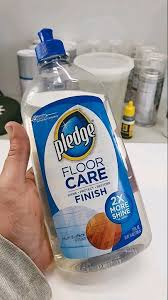
If you are looking for an affordable cleaning solution, Pledge FloorCare products may be worth exploring.
These products are designed for convenient household floor maintenance and can be useful when you want a quick cleaning routine without spending a lot.
However, because different Pledge products are formulated for different surfaces, always read the label carefully before applying one to hardwood.
Good for: Budget-conscious households and compatible finished floors
What to watch: Make sure the exact product you choose is suitable for your flooring. Avoid assuming that every multi-surface product is automatically safe for every type of wood floor.
My take: It can be a convenient budget option, but compatibility should always come before price.
4. Method Squirt + Mop Wood Floor Cleaner — Best as Wood Floor Cleaners
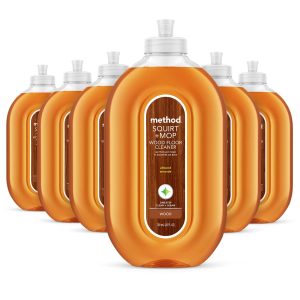
Method Squirt + Mop is popular among people who want a simple cleaning routine.
One of the biggest benefits is convenience. Instead of filling a bucket and mixing a large amount of cleaning solution, you can apply the product according to the manufacturer’s instructions and mop the floor.
This makes it particularly useful for quick cleanups and regular maintenance.
The brand also emphasizes plant-based ingredients in many of its products, making it appealing to consumers who prefer products positioned around more environmentally conscious formulations.
Good for: Light maintenance cleaning and quick everyday messes
What to watch: It may not be the best choice for heavy dirt or deeply embedded grime. In those situations, you may need a more suitable cleaning method.
My take: This is a practical choice when convenience is your priority and the product is compatible with your flooring.
5. Murphy Oil Soap — Best for Certain Wood Surfaces
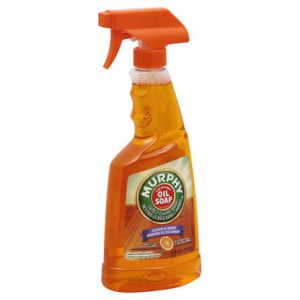
Murphy Oil Soap is a long-standing household cleaning product that many people associate with wood care.
However, this is one product where you should pay close attention to your flooring type and the manufacturer’s instructions.
While some people use it on wood surfaces, not every hardwood floor has the same finish. Therefore, you should not assume that a product suitable for one type of wood surface is automatically ideal for your modern finished hardwood floor.
Good for: Compatible wood surfaces when used according to the manufacturer’s instructions
What to watch: Using too much product or failing to follow dilution instructions can contribute to residue.
My take: It is a well-known wood-care product, but I would always check your flooring manufacturer’s recommendations before making it part of your regular cleaning routine.
6. Black Diamond Wood & Laminate Floor Cleaner — Best for Multiple Flooring Types
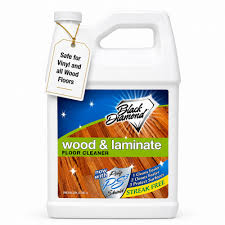
Black Diamond offers floor-cleaning products designed for different hard surfaces, including wood and laminate flooring.
This can make the brand appealing to households with several flooring types throughout the home.
However, always confirm that the exact formula is compatible with your floor before using it. “Wood” and “laminate” are not interchangeable materials, and flooring finishes can vary considerably.
Good for: Compatible hardwood, engineered wood, and laminate surfaces
What to watch: Check the product label and flooring manufacturer’s recommendations before use.
My take: A useful option for households that want a dedicated floor cleaner for compatible surfaces.
7. Dr. Bronner’s Sal Suds — Best for DIY-Style Cleaning
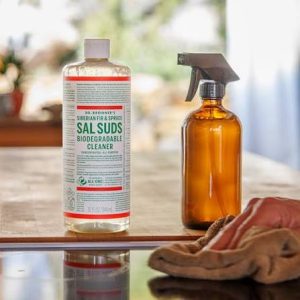
Dr. Bronner’s Sal Suds is a concentrated cleaner that some homeowners use for various household cleaning tasks.
The main advantage is versatility. A small amount can be diluted according to the manufacturer’s directions, making it useful for different cleaning applications such as this Wood Floor Cleaner.
However, concentrated cleaners require careful measuring. Using too much can leave unwanted residue, which is the last thing you want on a hardwood floor.
Good for: Homeowners who prefer concentrated cleaning products and follow careful dilution instructions
What to watch: Always dilute correctly and confirm that the product is suitable for your specific floor.
My take: It can be useful for certain cleaning applications, but hardwood floors require extra care. When in doubt, a dedicated hardwood-floor cleaner may be the safer choice.
What About DIY Cleaners? The Vinegar Question
Vinegar is one of the most common DIY cleaning ingredients recommended online. However, that does not mean it is automatically the best choice for hardwood floors.
The acidity of vinegar may affect certain floor finishes over time, particularly when used incorrectly or too frequently. Furthermore, DIY mixtures can make it difficult to control the concentration.
For that reason, I would not automatically recommend vinegar as your go-to hardwood floor cleaner.
Instead, check your flooring manufacturer’s care instructions first. If the manufacturer recommends a specific cleaning solution, that guidance should take priority over an internet cleaning hack.
Ultimately, a cleaner that is specifically designed for your flooring type can make your cleaning routine simpler and reduce the risk of using an unsuitable mixture.
Matching Your Cleaner to Your Floor Type
Choosing among the Top Wood Floor Cleaners starts with identifying what type of floor you actually have.
Sealed Hardwood
Sealed hardwood floors have a protective layer over the wood. Many dedicated hardwood floor cleaners are designed for this type of surface.
Even so, avoid excessive water and follow the cleaning product’s directions carefully.
Oiled Hardwood
Oiled floors may require specialized maintenance because the oil finish behaves differently from a polyurethane coating.
Therefore, use products recommended specifically for oiled floors whenever possible.
Waxed Hardwood
Waxed floors require special care. Water-based cleaning methods may not be appropriate for every waxed surface.
If your floor is waxed, check the manufacturer’s maintenance instructions before choosing a cleaner.
Engineered Hardwood
Engineered wood is made differently from solid hardwood. Although the top layer may be real wood, the construction underneath is different.
Fortunately, many dedicated wood-floor cleaners can be suitable for engineered flooring. However, compatibility still depends on the finish and manufacturer’s instructions.
Laminate Flooring
Laminate is not real hardwood, even though it can look similar.
Therefore, use a cleaner specifically labeled for laminate or one that clearly states compatibility with your flooring.
Signs You May Be Using the Wrong Wood Floor Cleaners
Sometimes your floor tells you that something is not working.
Watch for these signs:
- White haze or cloudiness
- Sticky floors after cleaning
- A dull finish that gets worse over time
- Visible streaks
- Excessive residue
- Boards that appear swollen or warped
- A finish that seems unusually easy to scratch
If you notice these problems, stop using the product and check your flooring manufacturer’s care instructions.
In some cases, the issue may not be the cleaner itself. You could simply be using too much product or too much water.
Therefore, before switching to an expensive cleaning solution, try reviewing your technique.
How to Clean Wood Floors Without Damaging Them
A good cleaning routine does not need to be complicated.
First, remove loose dust, dirt, and hair using a soft broom, microfiber dust mop, or suitable vacuum cleaner.
For regular cleaning, our guide to Best Vacuum Cleaners can help you choose a suitable vacuum for your home’s cleaning needs.
Next, use a cleaner that is compatible with your flooring. Apply only the recommended amount and avoid flooding the wood floor with water.
Afterward, allow the surface to dry properly.
Additionally, clean spills as soon as possible. Water and other liquids should not be allowed to sit on hardwood floors for extended periods.
For general household maintenance ideas, you can also check our Home Cleaning Tips guide.
Finally, remember that regular light cleaning is usually better than waiting until dirt and grime build up heavily.
Common Wood Floor Cleaning Mistakes
Even a good cleaner can cause problems when used incorrectly.
- Using Too Much Product
More cleaner does not necessarily mean a cleaner floor.
In fact, excess product can leave residue and create a sticky surface. Therefore, always follow the recommended amount.
- Using Too Much Water
Hardwood and excessive moisture are not a good combination.
Instead, use a damp cleaning method appropriate for your flooring and avoid leaving standing water behind.
- Using a Steam Mop Without Checking Compatibility
Steam cleaning is popular, but it may not be suitable for every wood floor.
Heat and moisture can potentially affect certain flooring materials and finishes. Therefore, check the manufacturer’s recommendations before using steam.
- Ignoring the Floor Finish
The same cleaner may not work equally well on every type of wood floor.
For example, a product suitable for a sealed polyurethane finish may not be ideal for a waxed or oiled surface.
- Cleaning Without Removing Loose Dirt First
If you mop without removing dust and grit, you may push particles around the floor.
Consequently, always sweep, dust mop, or vacuum first.
How Often Should You Clean Hardwood Floors?
There is no single schedule that works for every household.
However, a simple routine can work well for many homes.
Daily or every few days: Remove loose dust, dirt, and pet hair as needed.
Weekly: Clean high-traffic areas with a suitable hardwood floor cleaner.
Every few weeks: Give less-used areas a more thorough cleaning when necessary.
Immediately: Clean spills as soon as they happen.
If you have pets, children, or heavy foot traffic, you may need to clean more frequently.
On the other hand, a home with fewer occupants may require less frequent wet cleaning.
The goal is not to clean your floors constantly. Instead, it is to prevent dirt and grit from building up while minimizing moisture exposure.
FAQ about Wood Floor Cleaners:
Can I use a steam mop on hardwood floors?
I would not recommend using a steam mop unless your flooring manufacturer specifically says it is safe for your floor. Steam introduces heat and moisture, which may damage certain flooring materials or finishes.
How often should I clean hardwood floors?
Dust or vacuum regularly to remove loose dirt. Then, use a suitable cleaner on high-traffic areas about once a week or as needed. Less-used areas may require less frequent cleaning.
Why do my floors feel sticky after mopping?
The most common reason is excess cleaning product or residue. Try using less product and following the manufacturer’s recommended application instructions.
Is dish soap safe for wood floors?
It depends on the product and your flooring finish. However, I would generally choose a cleaner specifically formulated for your type of flooring rather than relying on dish soap.
Can I use vinegar to clean hardwood floors?
Vinegar is commonly recommended as a DIY cleaner, but it may not be suitable for every hardwood finish. Check your flooring manufacturer’s instructions before using it regularly.
How can I make dull wood floors shine again?
First, determine whether the dull appearance comes from dirt, residue, or an aging finish. Clean the floor with a compatible product and avoid applying unnecessary coatings. If the finish itself is worn, cleaning alone may not restore its original appearance.